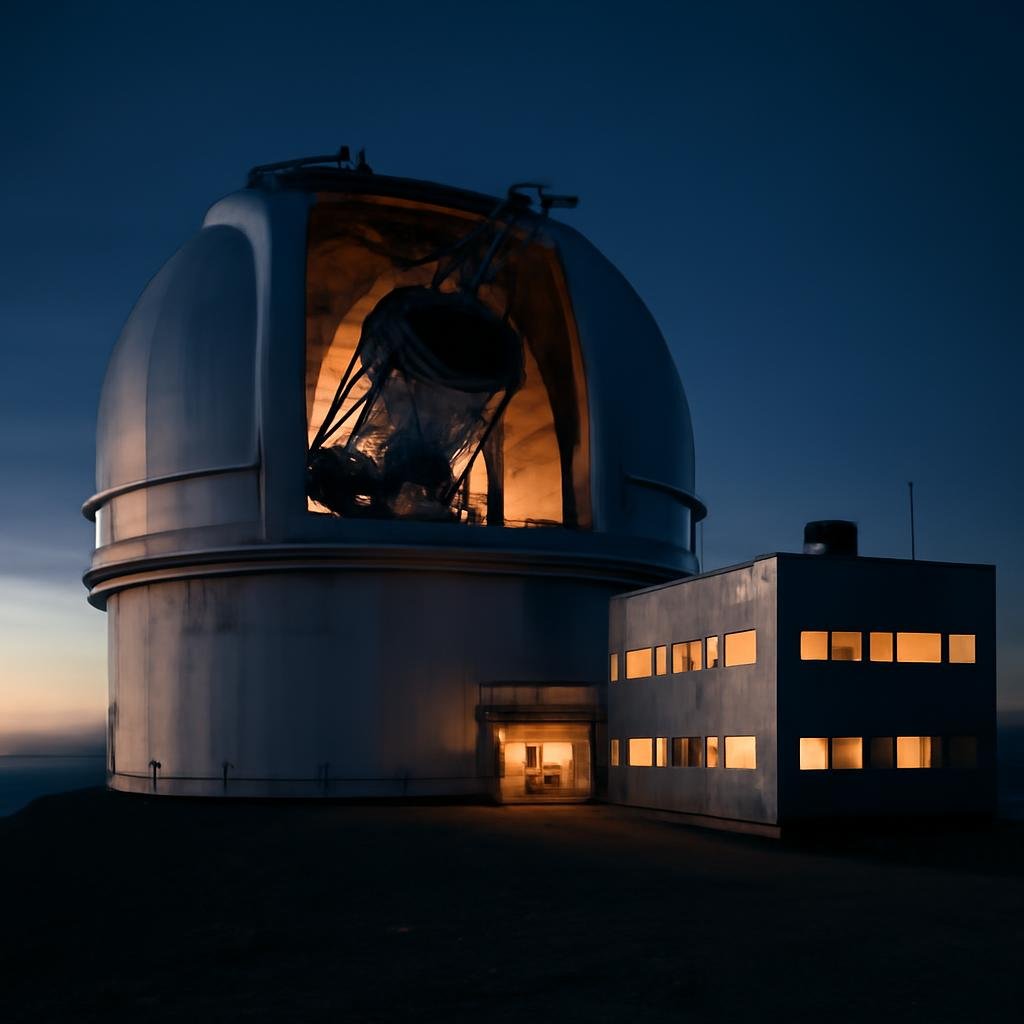
On June 30, 2026, the Rubin Observatory officially kicked off its ambitious ten-year campaign known as the Legacy Survey of Space and Time (LSST). This monumental endeavor aims to document the vastness of the cosmos, offering what has been described as 'the greatest cosmic movie ever made.' The observatory's goal is to capture extensive optical data from our skies, providing astronomers and scientists invaluable insights into celestial phenomena.
One of the most exciting aspects of the LSST is its potential to discover millions of asteroids within our solar system. Asteroids, which can vary greatly in size and composition, offer key insights into the early materials that formed our planet and others in the solar system. The vast data acquired from the survey will significantly enhance our capabilities to track these objects, assess collision risks, and understand their physical characteristics, which can have implications for future space exploration.
Beyond asteroids, the Rubin Observatory's survey aims to delve into the enigmatic realms of dark matter and dark energy. These phenomena are critically important for explaining the universe's structure and evolution. Current theories suggest that dark matter makes up approximately 27% of the universe, while dark energy comprises around 68%. The LSST's systematic observations will provide data that could lead to breakthroughs in understanding their properties and how they influence the cosmos.
Astronomers from the University of Washington are collaborating closely with the Rubin Observatory to maximize the scientific outcomes of this massive project. The LSST will generate over 20 petabytes of data, making it one of the largest data-collection efforts in the history of astronomy. The sheer volume of data will require advanced analytics and computational capabilities, and it's expected that researchers from various disciplines will leverage machine learning and artificial intelligence techniques to sift through and analyze the findings.
In conclusion, the LSST by the Rubin Observatory represents a substantial leap forward in our quest to comprehend the universe. By capturing a detailed visual record of space over the next decade, we stand on the brink of potential new discoveries that could reshape our understanding of astrophysics and the fundamental workings of our universe.
Was this article helpful?