
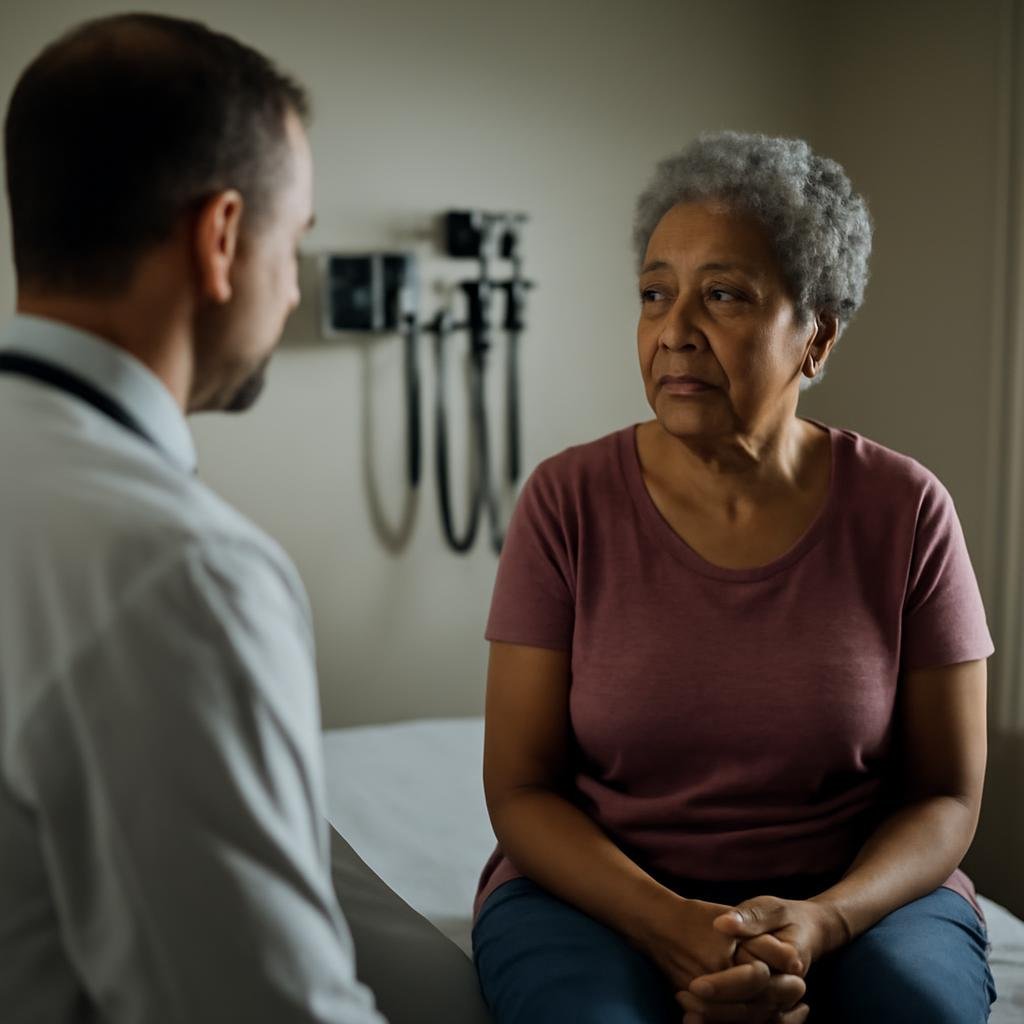
Recent guidance from Harvard Health reiterates the importance of personalized cancer screenings for older adults, with specific recommendations for tests such as mammograms, colonoscopies, and PSA tests. The updated protocols reflect an understanding that cancer screening needs evolve with age and individual health circumstances. A significant focus is placed on ensuring that older adults can make informed decisions regarding what screenings are appropriate for them based on their medical histories and current health conditions.
The recommendations put forth include thorough evaluations of the risks and benefits associated with various cancer screenings. For instance, surveillance techniques like mammograms are vital for breast cancer detection, while colonoscopies provide essential insights into colorectal health. With these evaluations, healthcare providers can assess factors such as the patient's overall health status, life expectancy, and personal preferences. Studies indicate that early detection can lead to more effective treatments, thereby improving outcomes significantly for many seniors.
Additionally, the guidance reflects a broader trend towards more accessible cancer detection methods. As technology and methodologies advance, healthcare professionals are now equipped with new strategies to enhance screening engagement among older populations. This proactive approach is critical, especially considering that older adults often face barriers to receiving timely care.
It is important for older adults and their families to consult with healthcare providers to understand how these guidelines can be applied to their unique situations. By fostering open discussions around screening preferences and potential outcomes, patients can better navigate their healthcare journeys. Overall, these recommendations aim to enhance screening practices tailored for more effective preventive care while improving health literacy among older adults regarding cancer risks.
Was this article helpful?