
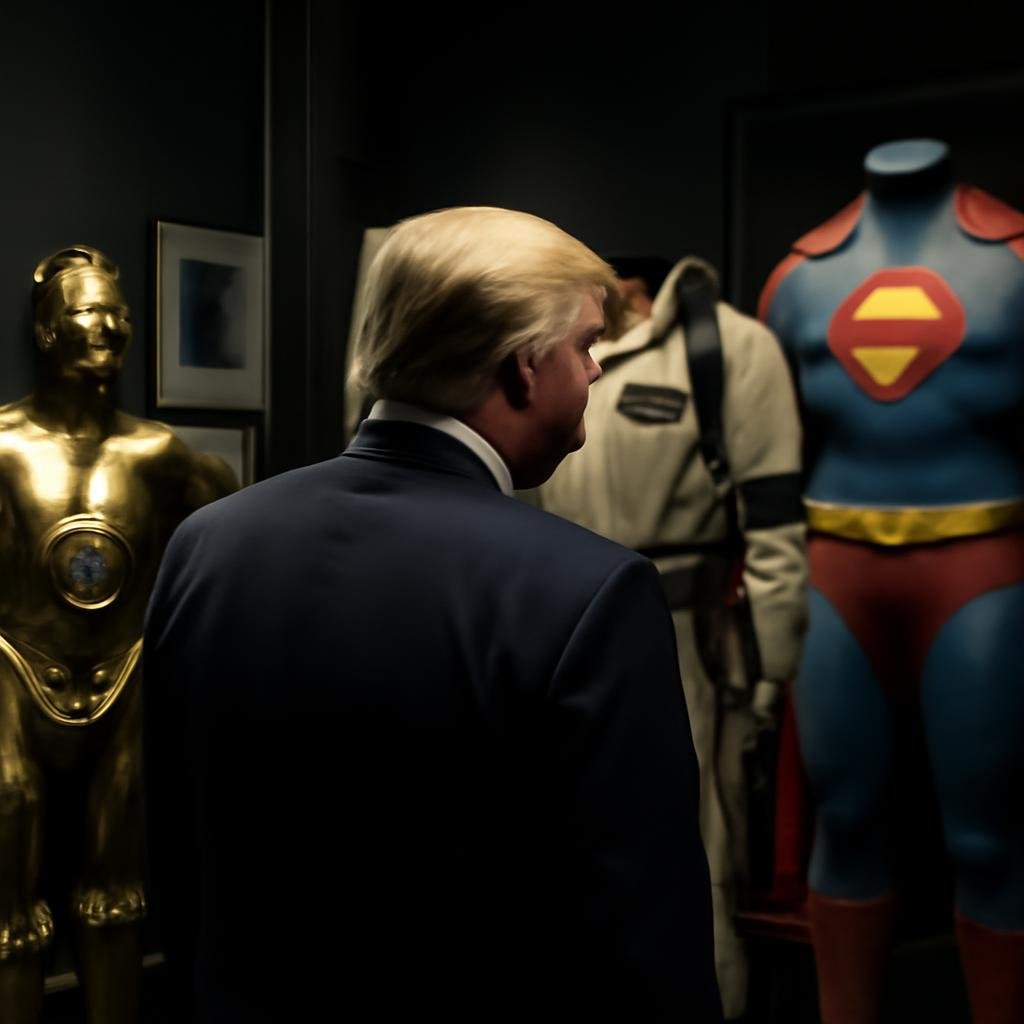
On July 6, 2026, a new report from the Trump administration has sparked controversy by condemning certain exhibits at the Smithsonian, particularly accusing them of promoting 'radical' activism. Among the specific mentions in the report are references to the popular musical 'Hamilton,' drag queens, and even the cultural icon Mickey Mouse. This criticism reflects a broader trend in which political narratives seek to reshape cultural institutions and their representations.
The administration argues that these displays do not adequately reflect a balanced view of American history, positioning the Smithsonian as an institution that allegedly caters to specific ideological perspectives. The report highlights that the inclusion of contemporary figures like drag queens in educational exhibits might promote what some consider a divisive sociopolitical agenda, which they describe as undermining traditional values.
Critics of the administration's stance argue that the exposure to diverse narratives, including those found in 'Hamilton'—which underscores themes of revolution and diversity—are vital for a holistic understanding of history. Supporters of the report, however, claim that such exhibits do not acknowledge the complexities of historical figures or events and cater to modern interpretations that may not represent mainstream views.
This scrutiny of cultural institutions like the Smithsonian may have significant implications for how history is taught and portrayed in the United States. As tensions between political ideologies and artistic expression become more pronounced, the debate over what constitutes acceptable representation in historical exhibits continues to be a hot-button issue. It raises essential questions about the role of museums, their responsibilities in presenting history, and the extent to which they should engage with current cultural dialogues.
In conclusion, the Trump administration's recent critique of the Smithsonian has opened a complex discussion about the interplay between politics, culture, and education. The tension between traditional historical narratives and contemporary representations remains a significant talking point as stakeholders navigate these evolving waters.
Was this article helpful?