
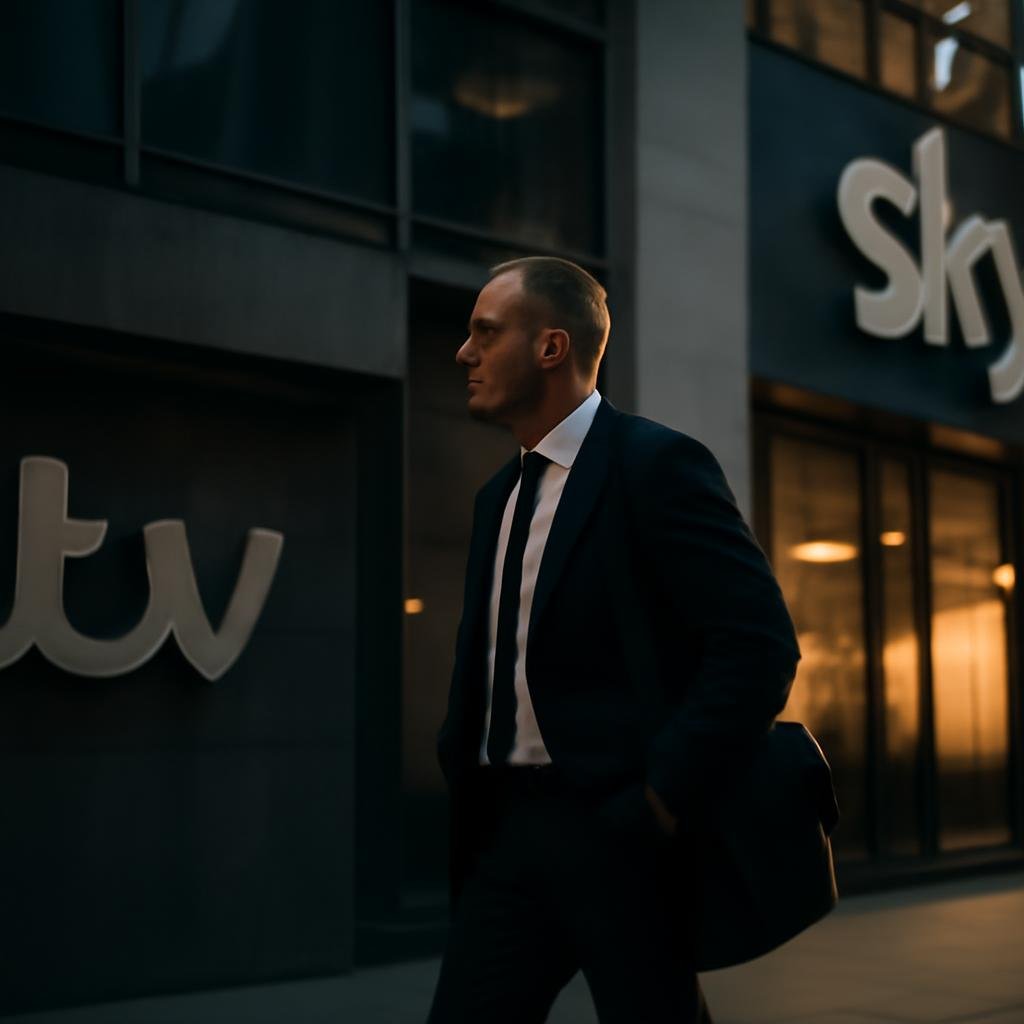
In a landmark move for the broadcasting industry, ITV has entered into a merger with Sky, marking a pivotal shift in how television content will be delivered to audiences. Announced on July 6, 2026, this merged entity symbolizes the pressures traditional broadcasters face amid the rise of streaming services. The deal, while not yet detailed in financial figures, has stirred discussions regarding the evolving landscape of media consumption.
This merger is widely considered inevitable in the current streaming environment where services like Netflix and Disney+ dominate viewer preferences. The increasing consumer shift towards content that can be streamed on demand has forced legacy companies to seek substantial partnerships to remain competitive. The traditional model of linear broadcasting is under threat, with more viewers opting for flexible viewing options that cater to their own schedules, rather than the rigid programming timelines of conventional television.
Moreover, ITV’s strategic decision reflects a broader trend among media companies, struggling to adapt to the fast-paced changes in consumer behavior and technology. Both ITV and Sky are acutely aware that they must innovate and integrate their services to deliver a comprehensive offering that attracts and retains viewers who have increasingly turned away from traditional cable services. This merger is expected to lead to a more extensive library of content, blending live television with an attractive array of on-demand choices for the modern consumer.
The consequences of this merger extend beyond just content delivery. It raises questions about the future competition landscape and whether this consolidation will lead to innovation in programming or simply reinforce the dominance of large players in the market. As regulations and consumer preferences continue to evolve, the coming years will be crucial in determining how this merger shapes the future of media consumption and what it implies for the independence of traditional broadcasters.
Overall, while some regard this merger as a controversial endpoint to an era of independent broadcasting, others view it as a necessary adaptation to ensure survival and relevance in an increasingly fragmented market.
Was this article helpful?