
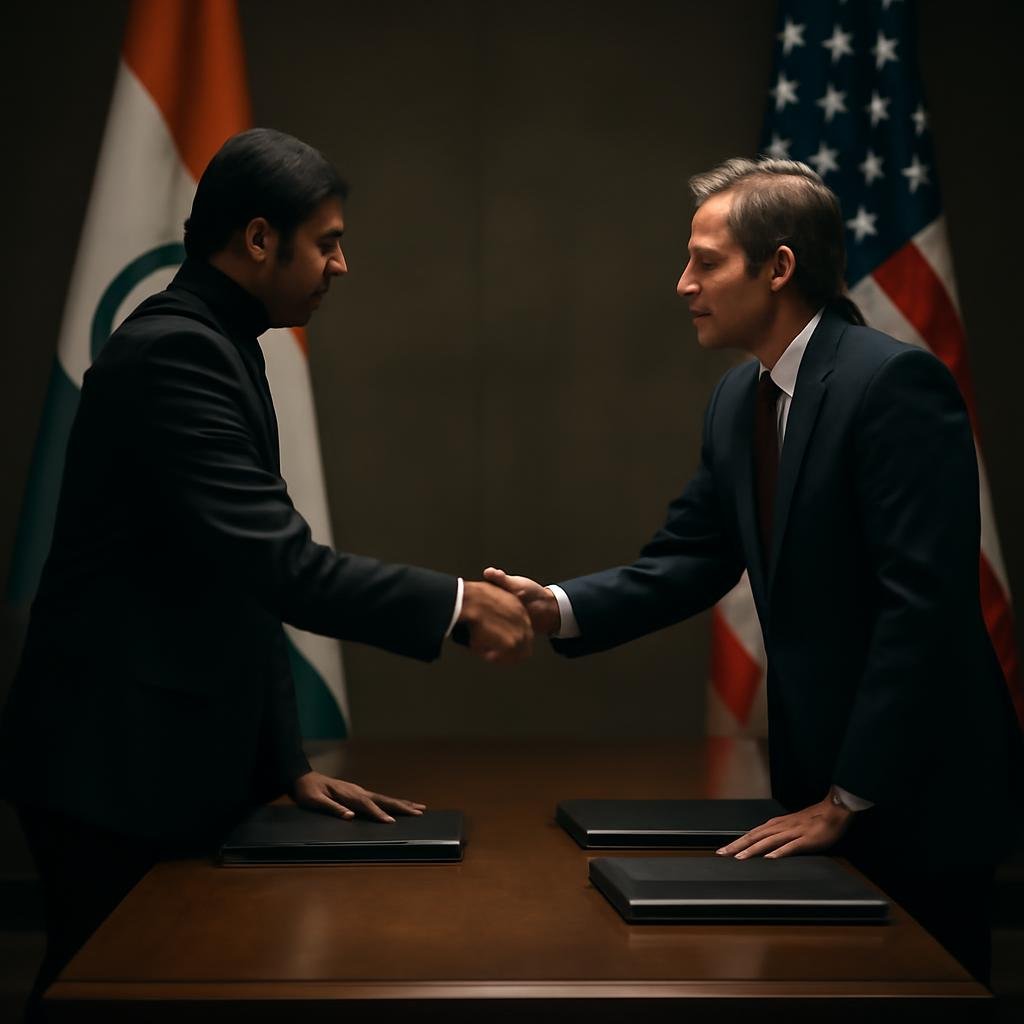
In a recent discussion, India's ambassador to the United States, Taranjit Singh Sandhu, expressed that the country's 'Make in India' initiative does not pose a conflict with the U.S. policy of 'America First.' This statement comes as both nations seek to strengthen their economic relationships while navigating the complexities of their respective national interests. The ambassador stressed that India's ambition to enhance local manufacturing is complementary, rather than adversarial to American economic goals.
Launched in 2014, the 'Make in India' initiative aims to boost domestic manufacturing by attracting foreign investment and fostering innovation. This endeavor is particularly significant as the global economy shifts towards recovery post-pandemic. With India positioning itself as a potential manufacturing hub, the U.S. sees this as an opportunity for collaboration that could yield mutual benefits, enhancing economic ties while promoting job creation on both sides.
Ambassador Sandhu noted that sectors such as technology, pharmaceuticals, and textiles could see substantial growth through American investments. The emphasis here is not only on fostering bilateral trade but also on presenting a united front against global challenges including supply chain instability and trade imbalances. He clarified that India remains committed to ensuring its manufacturing capabilities can meet both domestic needs and international demands, further underlining the importance of partnerships with American companies.
While the potential for collaboration is promising, this relationship is not without its complexities. Global politics and economic policies are deeply intertwined, with recent tensions in trade and tariffs highlighting challenges that both countries must navigate. Nevertheless, the Indian government continues to advocate for globalization and economic engagement, positioning itself as a key player in the global arena.
Overall, this dialogue reflects a strategic approach as India and the U.S. aim to harmonize their trade strategies despite potential competitive tensions. As both nations explore ways to enhance collaboration, the focus remains on creating a conducive environment for mutual growth and innovation in the global marketplace.
Was this article helpful?