
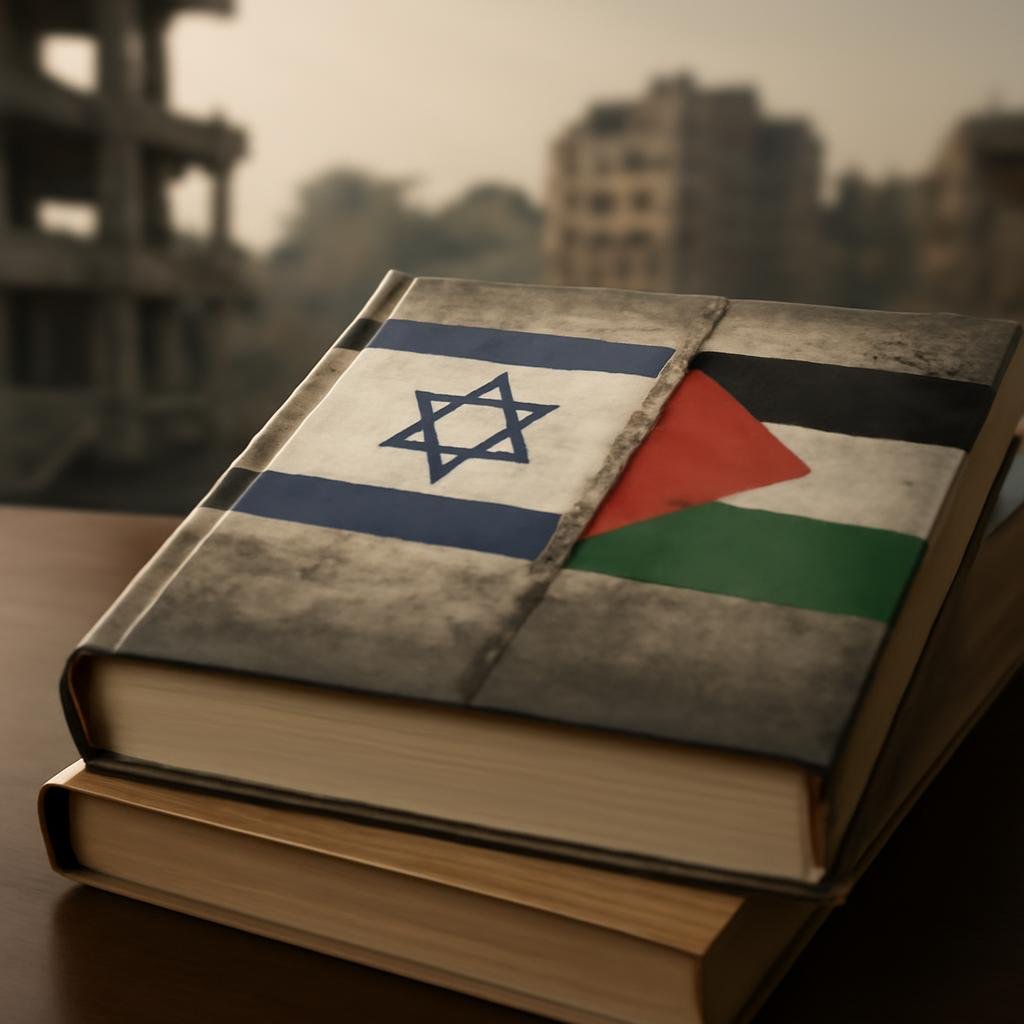
Recent analyses of the Israeli-Palestinian conflict have emerged with the publication of two significant books that unravel the multifaceted nature of this enduring issue. According to a review in Foreign Policy, these works illustrate the deep-rooted historical and social factors that have contributed to the ongoing strife, but they fall short of proposing any actionable steps towards resolution. As the global community approaches the latest juncture in this conflict, the insights produced serve as critical food for thought.
The books, authored by notable scholars, provide a retrospective analysis that seeks to diagnose what has gone wrong rather than to provide a roadmap for what can be done right. This diagnostic approach underscores a significant challenge: while understanding the past is essential, it does not necessarily translate into effective strategies for peace. The analysis covers how historical grievances, territorial disputes, and political maneuvering have culminated in a cycle of violence that seems intractable.
One of the key highlights from the review is that the books emphasize the human cost of the conflict, illustrating the daily struggles faced by civilians caught in the crossfire. However, merely dissecting the layers of this persistent conflict may not suffice in bridging the divide. The authors call for a deeper engagement with the narratives on both sides, but this raises the question: how can an understanding of these narratives evolve into a practical solution?
The lack of actionable solutions remains a critical gap in the discussions surrounding these new findings. While historical context is foundational, the urgency lies in exploring new pathways for diplomacy and effective dialogue. In the face of increasing calls for resolution from various civil society groups and international entities, the challenge will be to transform historical understanding into a forward-looking strategy that addresses the aspirations and grievances of both Palestinians and Israelis.
In conclusion, while these new scholarly contributions to the dialogue surrounding the Israeli-Palestinian conflict are valuable, they ultimately highlight a stark reality: understanding the complex history is only the first step in a long journey toward peace. Without innovative solutions that engage and inspire all stakeholders, this conflict may remain lingering without resolution.
For further reading, check out the review at Foreign Policy: Diagnosing the Israeli-Palestinian Conflict Doesn’t Solve It.
Was this article helpful?