
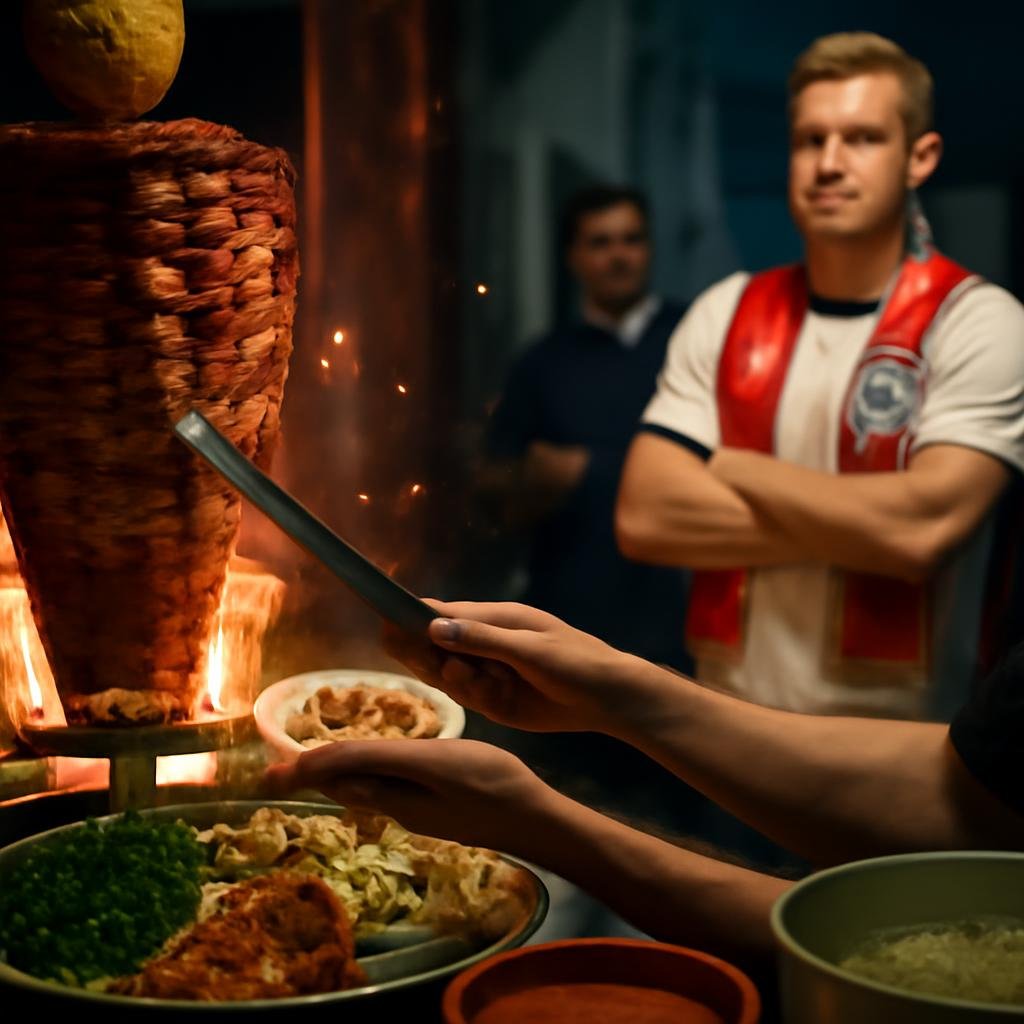
The 2026 World Cup has brought forth not just a showcase of athletic prowess, but also a vibrant culinary backdrop as teams and fans mingle in host cities. Following a dramatic buildup, where Mexico fans attempted to disturb England's sleep before their match, the cultural clash extends to food, reflecting local traditions and flavors that enhance the game experience.
With England's match against Mexico City looming, fans have been eager to explore the rich tapestry of Mexican cuisine, known for its historic and diverse offerings. Street vendors and local restaurants are bustling with activity, serving up tacos, tamales, and mole, capturing the essence of the national spirit. The interplay between football and food has created an atmosphere where culinary trends are as important as the game itself. Many fans report sampling street food delicacies during pre-game rituals, emphasizing the significance of food in bringing people together, even amidst competitive tensions.
Meanwhile, the controversy surrounding the red card issued to Folarin Balogun of the USA, which was later rescinded, adds to the intensity of this World Cup. The political landscape around sports often influences what occurs during these events, including how food culture integrates into matchday experiences for fans. As tensions rise with every match, particularly between heated rivals like England and Mexico, the culinary offerings become a comforting reprieve for fans, illustrating how food serves as a universal language amidst rivalry.
In this light, local chefs have stepped up to create dining experiences tailored to the visiting teams' cultures, showcasing dishes that honor both the host and the visiting nations. As food became part of the narrative, the World Cup has transformed cities into melting pots of flavors, drawing connections between sportsmanship and gastronomy. Fans have not only come for the football but also for the chance to engage with a world of flavors that the host city has to offer.
As the tournament continues, the culinary experiences will likely evolve, reflecting not just the progression of the games, but also the deepening appreciation for local foods that coincide with one of the largest sporting events in the world.
Was this article helpful?