
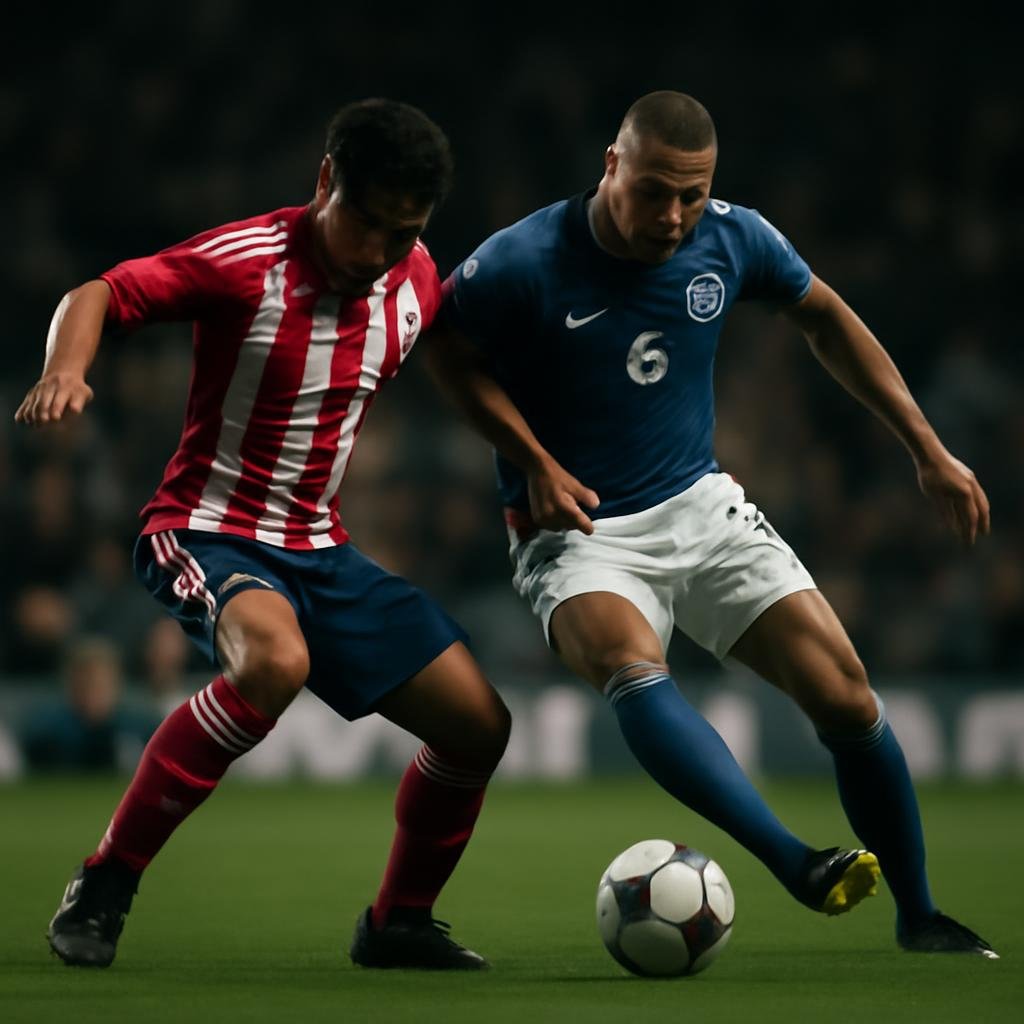
In the latest matchup during the 2026 World Cup, Paraguay faced off against the tournament favorites, France, generating significant discussion surrounding their tactical approach. The game, held on July 5, 2026, was marked not only by Paraguay's defensive rigor but also by what some have labeled as questionable sportsmanship, including time-wasting and, at times, outright cunning behavior. This duality has sparked a heated debate: are these tactics disgraceful, or are they merely strategic maneuvers aimed at securing a necessary victory against a superior opponent?
The match illustrated Paraguay's commitment to a robust defensive setup, aiming to stifle France's attacking prowess. They prioritized maintaining a solid backline and absorbing pressure, showcasing resilience and determination. However, critics are quick to highlight instances of play-acting and time-wasting as undermining the integrity of the game. The thin line between strategic play and unsportsmanlike conduct is a precarious one; many fans and analysts are questioning whether the end justifies the means in high-stakes tournaments like these.
Notably, Paraguay's approach could be seen as emblematic of the evolving strategies seen in modern football, where teams often resort to unconventional methods to level the playing field against more illustrious opponents. By implementing these tactics, Paraguay not only aimed to disrupt France's rhythm but also to showcase their own commitment to winning, regardless of the criticisms that might be levied against them. Such strategies are not without precedent in football; similar tools have been employed throughout the sport's history, especially in knockout formats where the stakes are exceptionally high.
The larger conversation around this match underscores a significant element in competitive sports: the ongoing tension between tradition and tactical innovation. While purists may advocate for the traditional aesthetics of the game, the pragmatism exhibited by Paraguay could prompt other underdog teams to reconsider how they approach top-tier teams moving forward, balancing competitive spirit with the necessity of results in a pressure-cooker environment such as the World Cup.
As debates continue to brew, both among fans and pundits alike, Paraguay's execution of their game plan will likely influence discussions about ethics and tactics in football, especially as the tournament progresses. This match has indeed opened the door to a broader understanding of how teams are adapting to the ever-increasing pressure of elite competition.
For those interested in the evolving strategies within football, this match serves as a case study of sorts, reflecting the complexities inherent in high-stakes competition.
Was this article helpful?