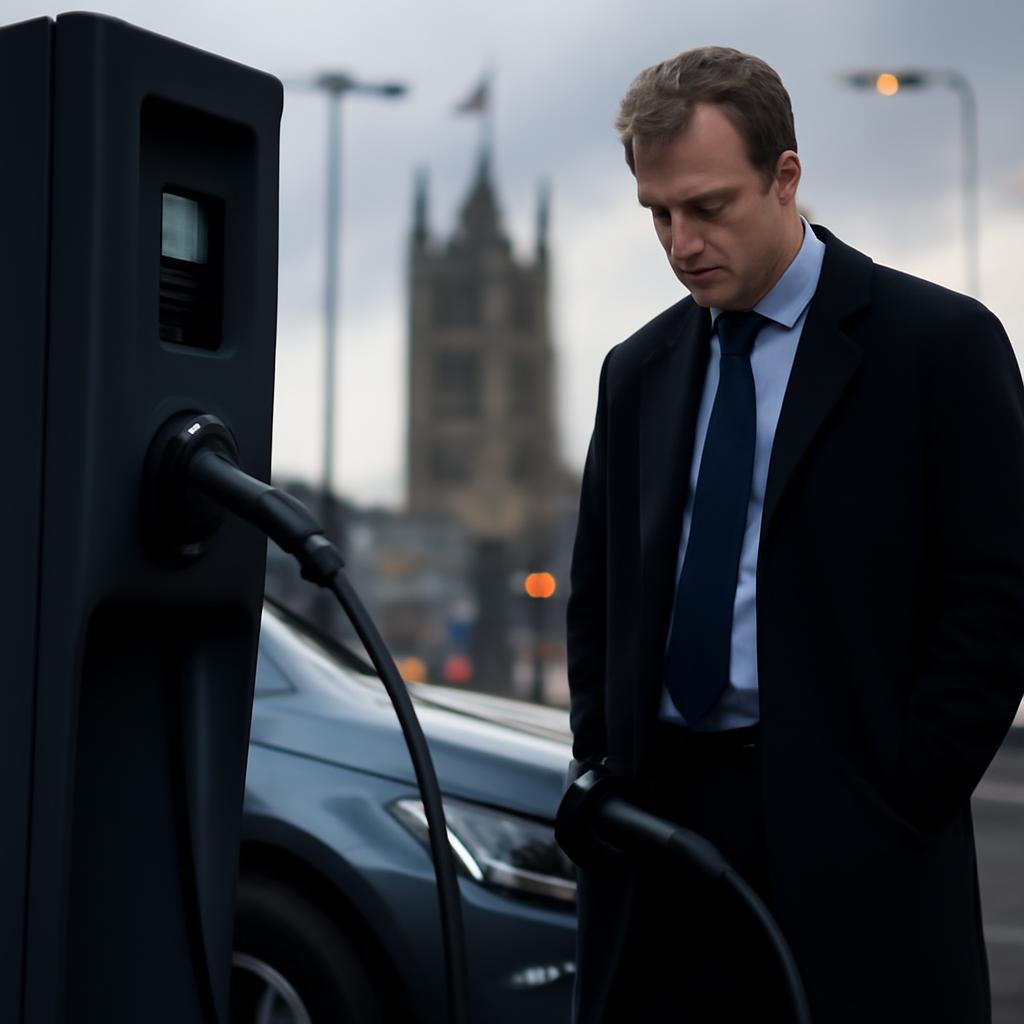

Andy Burnham’s ascension as the presumptive Prime Minister presents a mix of hope and underlying difficulties, reminiscent of past leaders like Harold Wilson, who struggled during tough economic climates. As reported on July 5, 2026, Burnham is stepping into leadership amid pressing economic challenges that threaten to hinder his agenda from the outset.
Historically, Prime Ministers have often found themselves at the mercy of the economic conditions that shape their administrations. For Burnham, the stakes are higher with the UK economy facing sluggish growth, high inflation rates, and uncertainty around trade and investment, partly due to the lingering effects of Brexit. Economic analysts suggest that the combination of rising living costs and stagnant wage growth could severely impact his chances of delivering on ambitious promises made during his campaign. Burnham's administration will need to focus on stabilizing these economic indicators to regain public trust and stimulate growth.
Moreover, Burnham's challenges are compounded by the considerable expectations placed upon him by both the public and his party. The Premier is under pressure to deliver immediate changes and reforms, creating a scenario where he must tread carefully. While his leadership is marked by a desire for progressive change, the reality of fiscal limitations may force him into difficult compromises, reminiscent of leaders before him who aimed for lofty goals but were bogged down by economic constraints.
Consequently, Burnham's initial strategies and decisions will be closely monitored as he seeks to navigate these waters. Economic forecasts may determine not only his success but also the future direction of the UK. For Burnham to thrive, addressing the core issues faced by the nation while maintaining the support of key stakeholders will be essential. This delicate balance between ambition and practicality may define the early days of his leadership and shape the political landscape ahead.
Was this article helpful?