
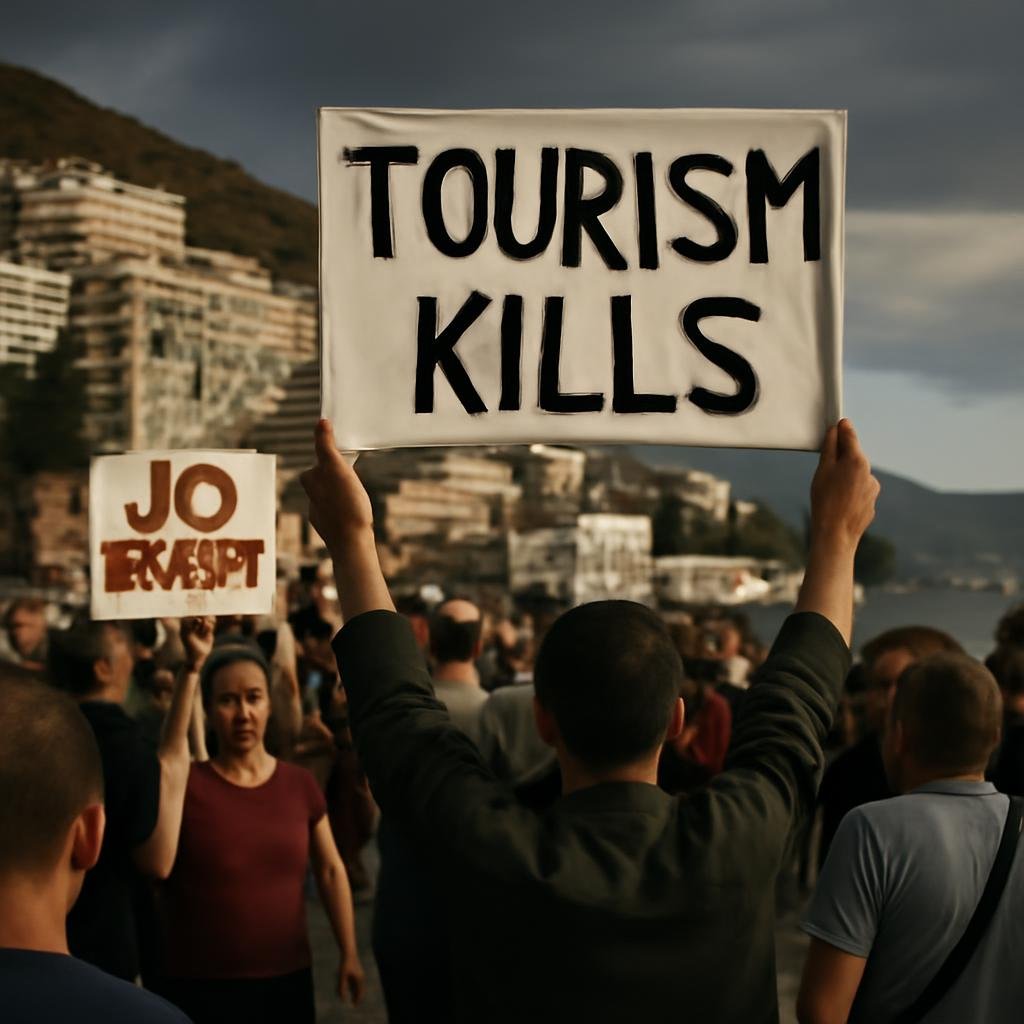
On July 3, 2026, Albania experienced a dramatic display of public dissent as approximately 250,000 protesters took to the streets in Tirana, Vlorë, Durrës, and Sarandë. Known as the "Flamingo Revolution," this large-scale protest was primarily sparked by plans for a controversial €1.4 billion luxury development on Sazan Island, a project aimed at boosting tourism but met with considerable local opposition. The project has raised concerns regarding environmental impact and the commodification of local culture, leading to clashes between protesters and police.
The protests emerged as a response to the perceived prioritization of luxury tourism over sustainable development and local needs. Critics argue that such massive developments can damage the natural landscape and disrupt local communities. Many locals fear losing their homes and traditional ways of life in favor of foreign investment that may not benefit them directly. With the Albanian Riviera already seeing a surge in tourists, the sentiment among the citizens reflects a growing distrust of unchecked tourism expansion and a desire for community-focused solutions.
The escalation of unrest also highlights broader tensions regarding the future of tourism in Albania. While tourism is a key driver of the country’s economy, this event underscores a vital conversation about its sustainability. Tourism growth should balance economic benefits with the preservation of local heritage and environmental resources. The engagement of local communities in decision-making processes is essential to ensure that developments meet the needs of both residents and visitors.
As the protests unfold, authorities face increasing pressure to reconsider the Sazan Island project. They are challenged to strike a balance between attracting foreign investments and safeguarding local interests. Observers suggest that finding a pathway forward that addresses these local concerns while still promoting tourism could be essential in redefining Albania’s approach to future developments.
If you plan to travel to Albania, this evolving situation is worth monitoring, as it may impact the tourist experience, including access to certain areas and the overall atmosphere of popular destinations as the country grapples with its tourism identity.
Was this article helpful?