
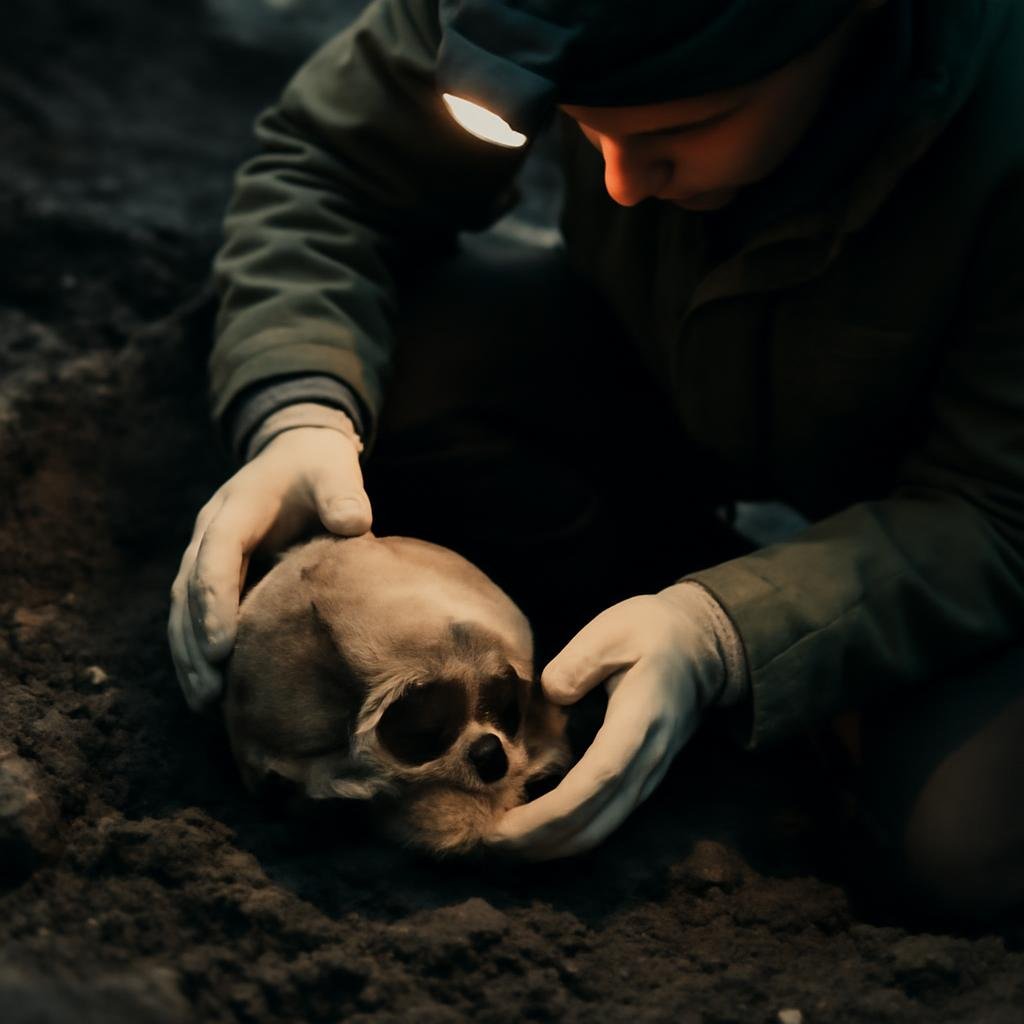
On July 3, 2026, a significant archaeological find was reported from Norway, where researchers from the University of Bergen unearthed the ancient skull of a child believed to be around 4,000 years old. This discovery was made at a cave site on the west coast, and it marks a crucial breakthrough in understanding the early agricultural societies of Norway. Knut Andreas Bergsvik, a professor of archaeology at the University Museum of Bergen and project leader of the INDICAVE research project, emphasized the importance of this find: "The discovery offers rare and important insight into the first agricultural population in Norway, and we hope that analysis of the bone material will help us understand what these people looked like and where they originated."
The implications of this discovery are profound as it not only sheds light on the demographic characteristics of ancient Norwegians but also allows researchers to explore their dietary habits, health, and lifestyles. The region's transition from a hunter-gatherer society to one centered around agriculture is pivotal in understanding how communities adapted to changing environments and resources over millennia.
This child's skull is poised to provide genetic material that could answer questions about the human lineage in Northern Europe. The INDICAVE project aims to gather more data surrounding this archaeological site to create a comprehensive picture of the coastline's prehistoric environment and the societies that inhabited it. The analysis is expected to take time, but the potential findings could redraw maps of early agricultural migration and settlement patterns in Scandinavia.
Notably, findings like these emphasize the intricate relationship between humans and their environment, showcasing how ancient populations utilized available resources to thrive. The ongoing research promises to unveil connections between societal development and climatic conditions, offering a clearer understanding of how agriculture reshaped the social landscape of ancient Norway.
This discovery serves as a reminder of the ongoing quest to piece together human history and how modern scientific methods continue to unlock secrets of the past. As researchers delve deeper into the significance of this skull and its accompanying artifacts, they aim not only to fill gaps in historical records but also to foster a greater appreciation for the complexities of early human life and culture.
For those interested in archaeology or anthropology, following this research can provide a fascinating glimpse into how our ancestors adapted to their world. Engaging with the findings and discussions emerging from this project could enhance your understanding of our historical roots.