
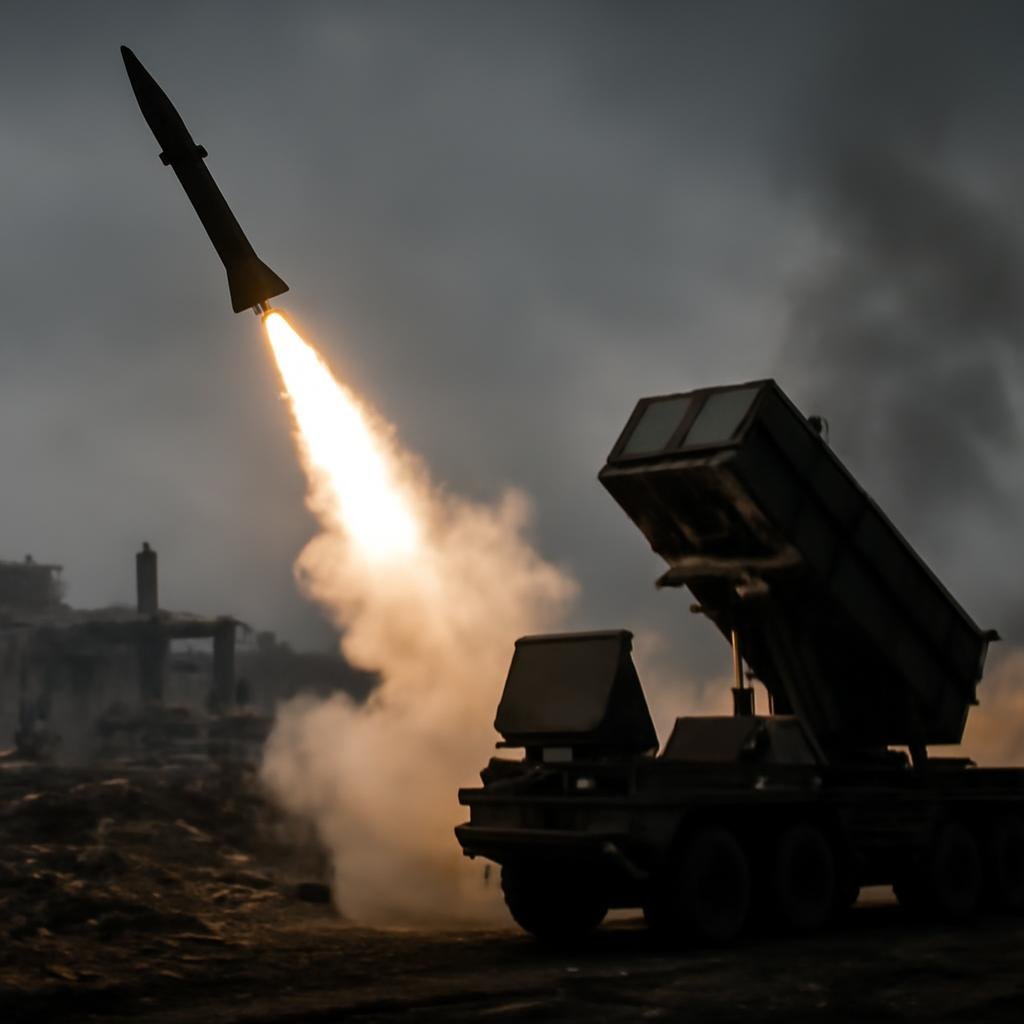
Recent military engagements have underscored the effectiveness of missile defense systems against threats such as Iran, particularly as the U.S. continues to navigate complex geopolitical tensions in the Middle East and the Pacific region. On June 12, 2026, a report highlighted that the U.S.-backed missile defense capabilities played a crucial role in neutralizing threats during recent strikes involving Iran. The high success rates of these systems, however, reveal a stark contrast when evaluating their potential effectiveness in a conflict with China over Taiwan.
As the U.S. has positioned itself strategically in the Indo-Pacific, the implications of missile defense systems against more advanced threats, such as those posed by China, have come under scrutiny. Recent analyses suggest that while the U.S. may have a well-established missile defense framework, vulnerabilities exist that may not hold against sophisticated tactical operations anticipated during a hypothetical conflict with Taiwan.
Furthermore, experts argue that the technological advancements displayed during conflicts against Iran could prove inadequate when facing an adversary like China, which possesses significant technological leapfrogging capabilities. The challenges faced with existing missile defense systems in this new context could lead to a reevaluation of military strategies and funding allocations in the coming years. Notably, the war in Iran has illuminated real-time lessons about system limitations that may significantly impact national defense policies, particularly as military leaders consider potential future scenarios involving Taiwan.
In light of these developments, lawmakers, including key figures such as Senator Tammy Duckworth, have underscored the necessity of a robust U.S. stance in the Taiwan Strait, asserting that any perceived retreat could embolden further aggression from China. Recent discussions among U.S. officials emphasize a clear message: America cannot afford to yield ground, especially in the face of escalating tensions.
In conclusion, while missile defense systems have proven effective in recent conflicts, their limitations have cast a shadow over U.S. military preparedness for a potential war over Taiwan. As geopolitical tensions escalate, especially with China, continued scrutiny and strategic adaptations will be essential to ensure national security amidst evolving threats.
Was this article helpful?