
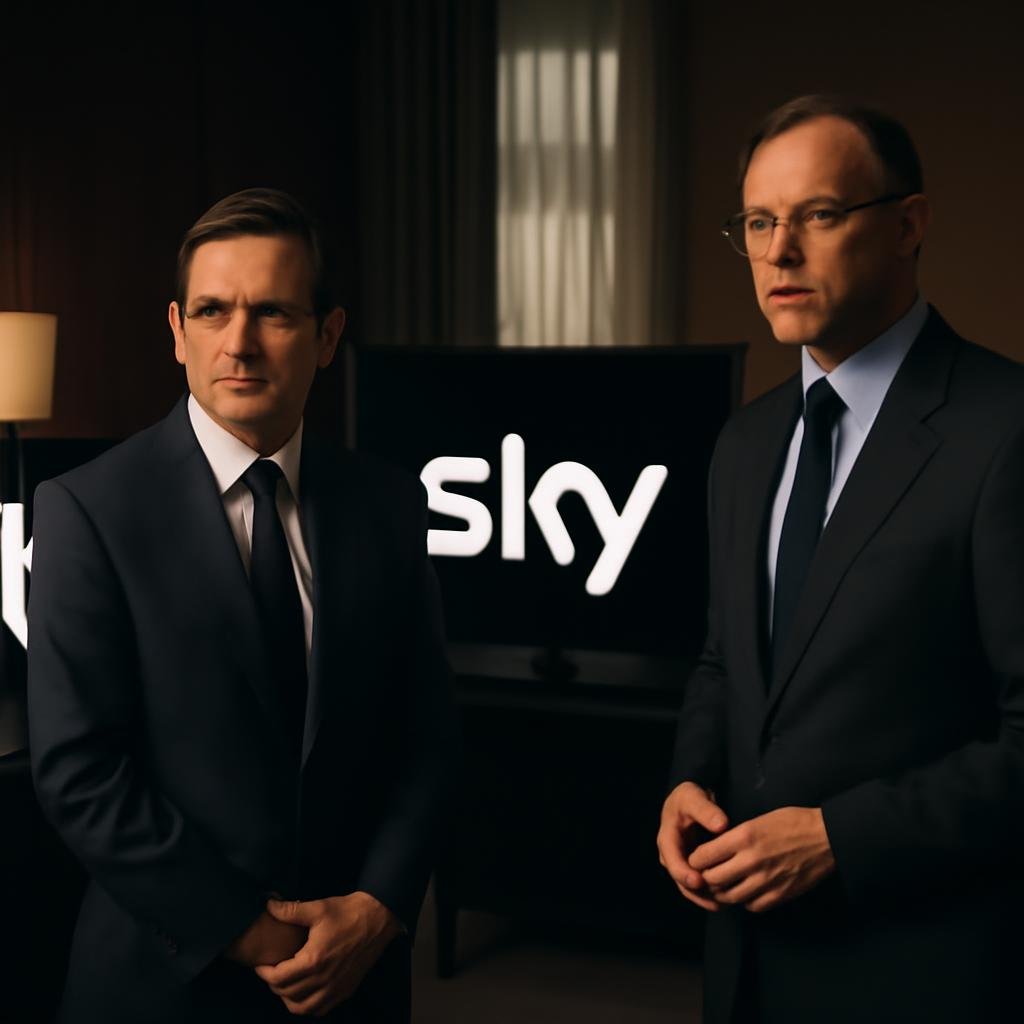
In a noteworthy development within the media landscape, ITV has agreed to a merger with Sky, a deal that reflects the relentless evolution brought on by streaming giants like Netflix and Disney+. This decision comes in the wake of intensifying competition, where traditional broadcast methods are increasingly challenged by OTT platforms. Set against a backdrop of shifting viewer habits, the merger highlights the necessity for traditional broadcasters to adapt and survive.
The announcement comes as a watershed moment for both companies, signaling the end of an era. ITV, known for its long-standing British programming, and Sky, a titan in pay-TV services, are now aiming to pool their resources to compete more effectively with streaming services that continue to gain ground rapidly. As audiences make the transition away from traditional cable TV, this alliance is seen as a strategic move to retain their viewer base and enhance content offerings. The deal serves as a response to the seismic shifts witnessed over the last decade, where streaming services have taken a significant bite out of viewers’ time and attention.
Analysts believe this merger, although inevitable, is a crucial step toward ensuring both ITV and Sky remain relevant in a fast-evolving market. As subscription services proliferate, maximized resources and a diversified content library will enhance their competitive edge. This fusion allows the combined entity to leverage the strengths of both platforms, potentially leading to innovative programming and shared technological advancements. It is a move designed to not only increase content production but also to streamline operations to remain profitable in an industry where margins have grown slimmer.
While the merger might spark concerns regarding reduced competition in the broadcasting market, many industry experts argue that it ultimately creates a fortified competitor against dominant streaming platforms. The effectiveness of this strategy will depend on how well the two companies implement their shared vision and navigate the complexities of consolidation, including regulatory scrutiny and the integration of their operations. As the television landscape continues to mutate, this merger symbolizes a crucial recalibration in the way consumers access and engage with content, signaling that even legacy broadcasters must evolve or risk obsolescence.
This move is especially prescient as both companies prepare to face profound changes in viewer behavior and competition from digital-first players. The need for adaptability is clearer than ever, and this merger is a testament to that necessity in a world where content consumption is increasingly platform-agnostic.
Was this article helpful?