
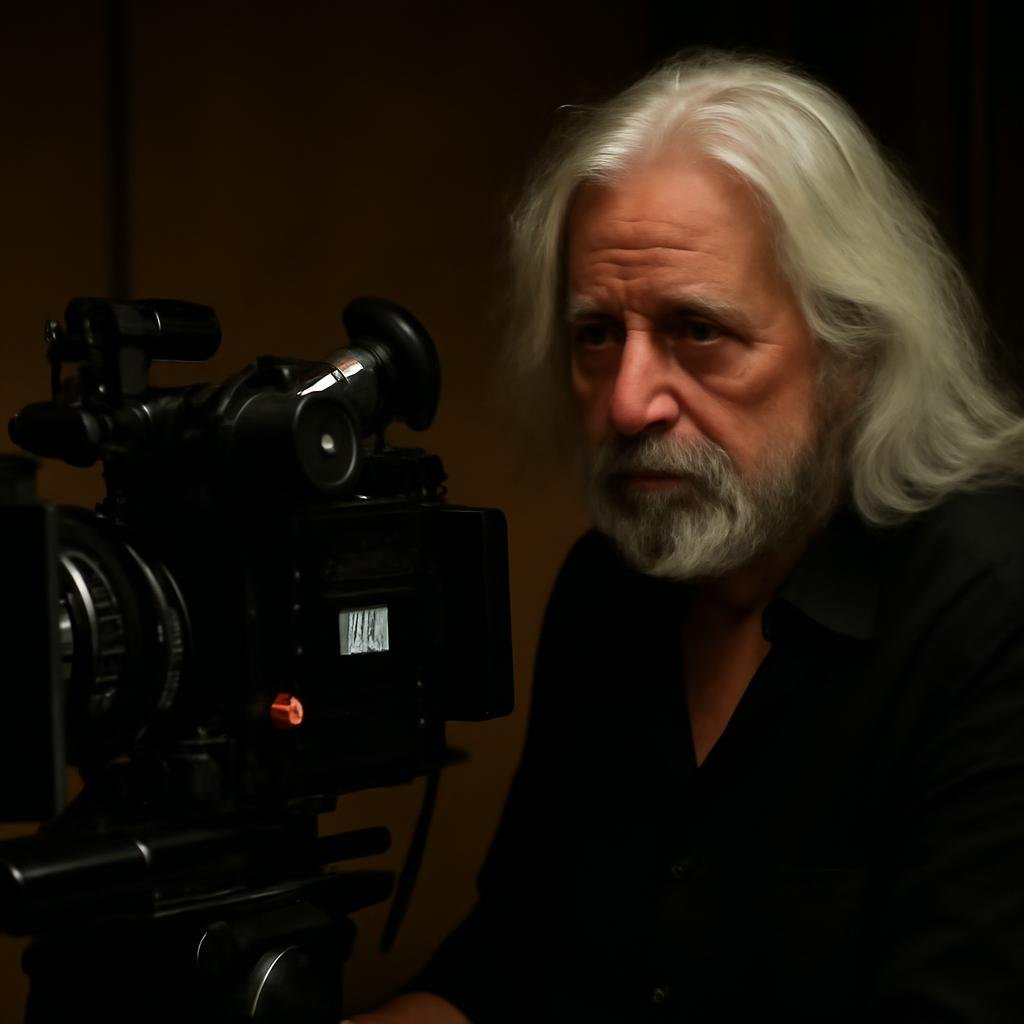
Robert Richardson, a celebrated cinematographer known for his stunning visual storytelling, recently sat down for an insightful interview with Deadline. The three-time Oscar winner reflected on his extensive career, emphasizing his collaborations with some of the most iconic directors in Hollywood, including Oliver Stone, Quentin Tarantino, and Martin Scorsese. In his dialogue, Richardson revealed insights into the artistry of cinematography and the evolution of filmmaking techniques over the years, which have significantly impacted his work.
Richardson has been instrumental in crafting the visual aesthetics of films that have shaped contemporary cinema. His work on films like "JFK," "The Aviator," and "Once Upon a Time in Hollywood" showcases his ability to weave narrative with visual innovation. In the interview, he shared behind-the-scenes stories that highlight his collaborative process with directors, explaining how they influence his approach to cinematography. He remarked on the importance of understanding a director's vision while also contributing his unique perspective to the visual narrative.
A focal point of their discussion was Richardson's experience working with Quentin Tarantino. He spoke highly of Tarantino’s distinct style and how the director's vivid storytelling necessitates a unique approach to cinematography. For example, Richardson illustrated how Tarantino's preference for long takes and dynamic framing challenges him creatively, pushing the boundaries of traditional cinematography.
Alongside Tarantino, Richardson discussed his enduring relationship with Martin Scorsese. The two have created numerous cinematic masterpieces, and the dialogue revealed the significant trust and synergy between them. Richardson noted that Scorsese’s deep understanding of the emotional landscape of his films allows Richardson to craft visuals that enhance the storytelling.
As Richardson looks back on his iconic career, he reflects on how the industry has transformed due to advancements in technology, particularly with digital cinematography. He expressed enthusiasm for the opportunities these changes present, yet also a commitment to preserving the artistry of traditional techniques that have defined his work.
In conclusion, Robert Richardson's career is a testament to the power of collaborative storytelling in cinema. His reflections during the interview not only celebrate his past achievements but also offer a glimpse into the future of cinematography. For those interested in the intricacies of film production, this interview provides valuable insights into the mind of a master of his craft.
Was this article helpful?