
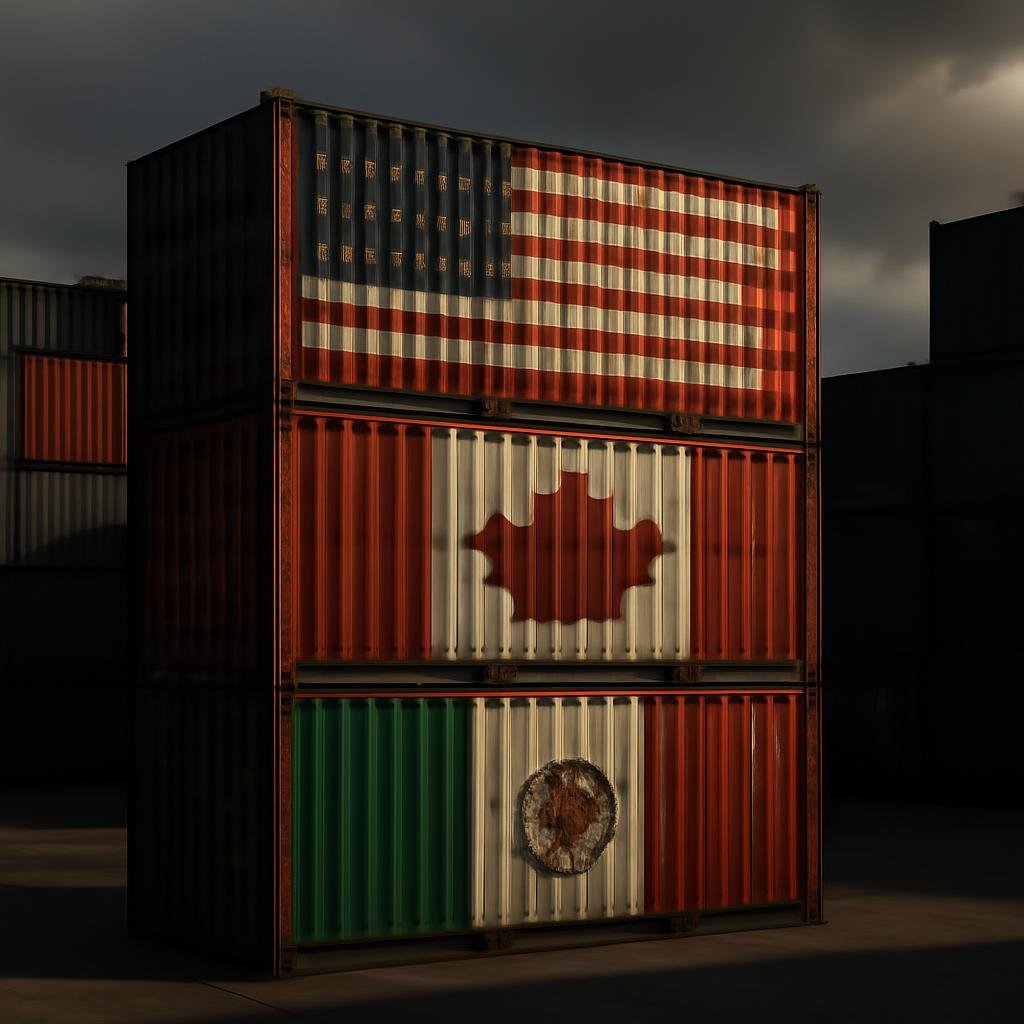
The United States-Mexico-Canada Agreement (USMCA), once hailed as a major accomplishment of the Trump administration, is now facing escalating challenges as economic realities press in. As of early July 2026, the Biden administration's attempts to tighten trade balances through annual reviews are becoming increasingly crucial. The aim is to address the persistent trade deficits with both neighboring countries, which have not improved as expected since the agreement was enacted.
Since its introduction, the USMCA was intended to replace the North American Free Trade Agreement (NAFTA) in a bid to strengthen North American trade ties while reducing trade imbalances. However, data shows that the United States continues to record significant deficits. In the most recent fiscal year, these deficits grew rather than contracted, raising alarms within the administration regarding its effectiveness. The White House hopes that implementing annual reviews can help identify and rectify trading practices that are contributing to this imbalance, fostering a more equitable trading environment among the three nations.
Experts suggest that the proposed annual reviews could be a double-edged sword. On one hand, these assessments may provide an essential framework for holding Canada and Mexico accountable for trade commitments. On the other, there are concerns that they could lead to increased tensions in the trilateral relationship, especially if substantial economic pressures emerge due to disputes over compliance or interpretation of the trade agreement.
The USMCA's goals include enhancing labor protections, environmental standards, and intellectual property rights, but the efficacy of these measures is now under scrutiny. As Congress prepares for upcoming discussions on trade policy, the shortcomings of the current USMCA framework become increasingly prominent, signaling a complex road ahead for North American trade negotiations.
In summary, what began as a hopeful reevaluation of trade relations has devolved into a pressing challenge for the Biden administration. The necessity for effective annual reviews remains pivotal as the US attempts to regain balance in its trade dealings with Canada and Mexico.
This situation remains dynamic, and ongoing discussions may influence future policy changes that could either stabilize or further complicate North American trade relations.
For a deeper understanding of the situation and its implications, visit the original article at Foreign Policy.
Was this article helpful?