
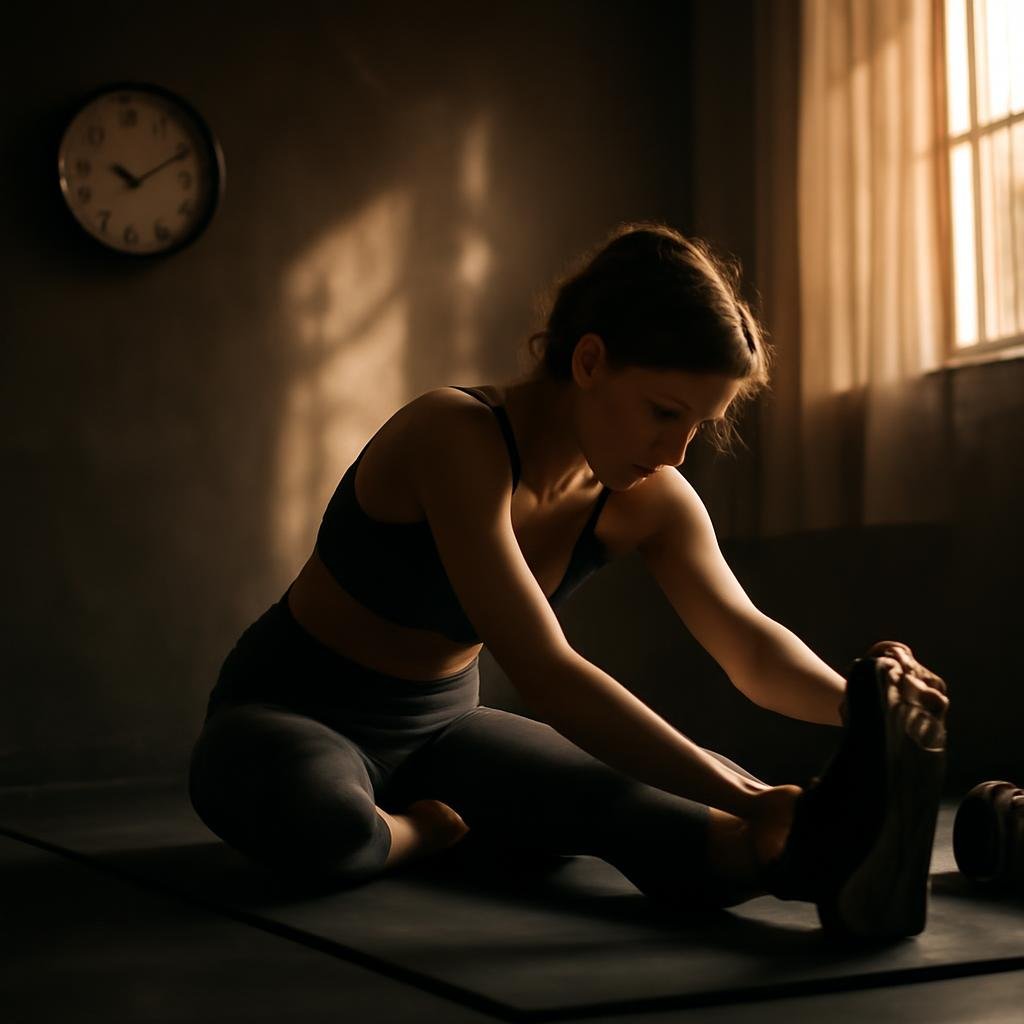
A study published by Harvard Health on July 1, 2026, poses an intriguing question: Should we time our workouts according to our body's circadian rhythm? Research suggests that our internal clock may significantly affect how exercise influences health, particularly heart health. As part of an ongoing exploration into optimizing physical fitness, this idea opens new avenues for individuals looking to enhance their wellness through exercise.
Circadian rhythms govern various physiological processes in our bodies, including sleep-wake cycles, hormone release, and metabolism. The Harvard Health article notes that exercising at specific times of day may offer distinct health benefits compared to a more randomized schedule. For instance, working out in the morning might help regulate blood pressure and boost energy levels, while afternoons could be ideal for those aiming for strength training, as muscle performance may peak at this time.
The implications for everyday exercise routines are significant. By syncing physical activity with these natural rhythms, individuals could potentially see improvements in not just effectiveness but also in their overall cardiovascular health. Timing exercise to leverage circadian influences could mean not only better workout performance but also improved outcomes related to heart disease risks, which are notably linked to exercise frequency and intensity.
Moreover, those conducting fitness programs and health coaching might find this research particularly beneficial. It suggests a more personalized approach, encouraging clients to consider their body’s natural rhythms when developing workout plans. This alignment with biological timing might cultivate a more sustainable exercise habit, ultimately yielding better health outcomes over the long term. As awareness grows about the relationship between our internal clocks and our health, this research could prompt further studies and innovations in fitness strategies.
In conclusion, as evidence mounts regarding the connection between circadian rhythms and exercise, it may reshape how individuals approach their fitness routines. Harnessing these insights provides a promising pathway toward enhancing heart health and overall well-being.
Was this article helpful?