
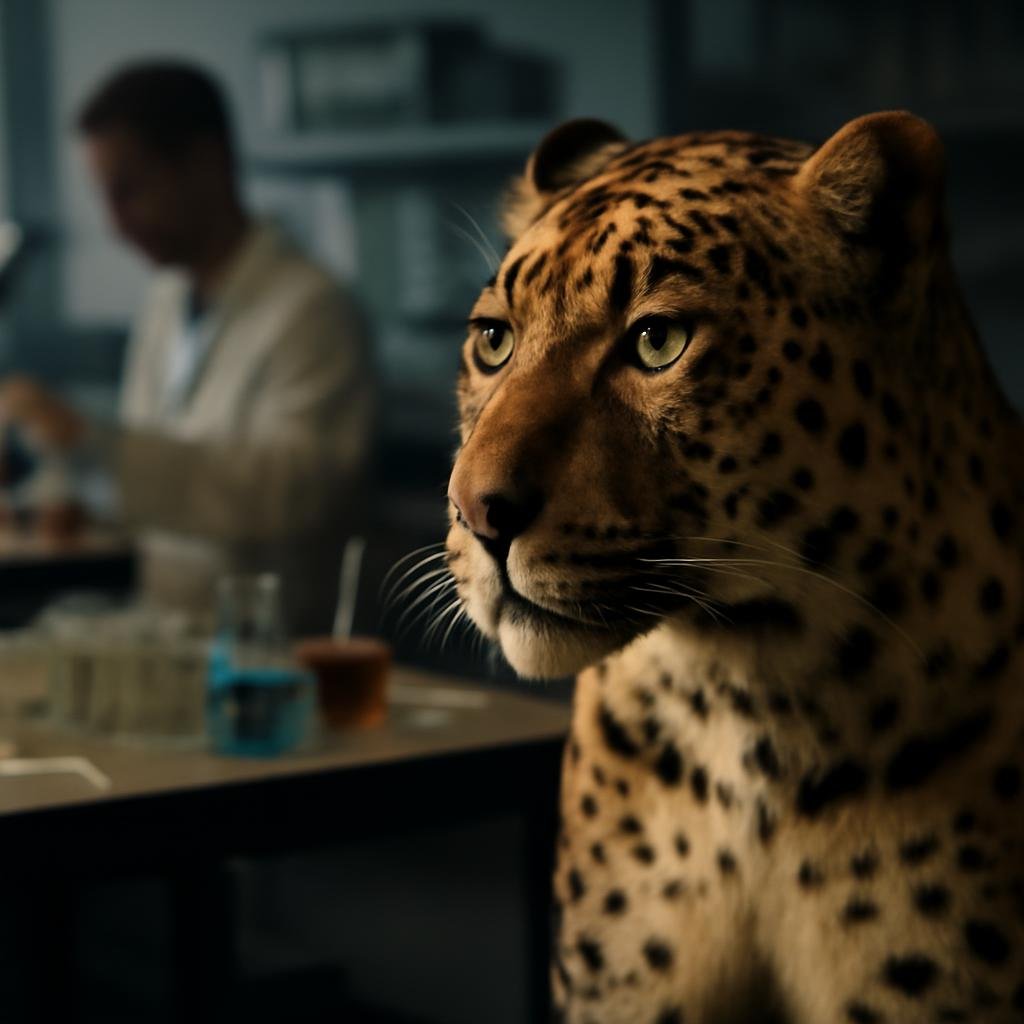
A groundbreaking study from Nottingham Trent University, released on July 6, 2026, points to a potentially alarming underestimation of leopard populations in sub-Saharan Africa. Researchers analyzed habitat conditions suitable for leopards and documented that their numbers may be significantly lower than previously understood. With leopards being crucial to ecosystem balance, knowing their true population levels is essential for effective conservation strategies.
The study’s findings indicate specific regions where leopards are not just struggling due to habitat loss but may also require tailored recovery efforts. Conservationists hope to employ this new data to effectively direct efforts towards areas that need the most support. The research brings to light the alarming fact that habitat suitability is diminishing across vast regions, magnifying the vulnerability of these majestic big cats.
Notably, the research team emphasized the importance of implementing targeted strategies - focusing on specific habitats that are critical for leverage in recovery efforts. Habitats previously deemed suitable were found wanting in terms of fauna supporting the leopards, which points to the necessity of more nuanced conservation policies that adapt to the unique challenges faced by each geographical area. Conservationists aim to deploy this data to prioritize areas where interventions can yield the most significant impact.
This approach is increasingly recognized as a best practice in wildlife management. By concentrating efforts on key habitats and understanding the intricate dynamics of local ecosystems, scientists believe that a revitalization of leopard populations is not out of reach. Such targeted initiatives could also involve local communities in protecting these animals to ensure their survival in the wild and sustain biodiversity.
Conclusively, the study advocates for an integrated conservation strategy that addresses both habitat restoration and community engagement. Leveraging detailed scientific insights may transform dire circumstances for leopards into a recovery narrative that benefits both the species and the ecosystems they inhabit.
For more details, visit the full article on Phys.org: https://phys.org/news/2026-07-raft-efforts-boost-leopard-saharan.html.
Was this article helpful?