
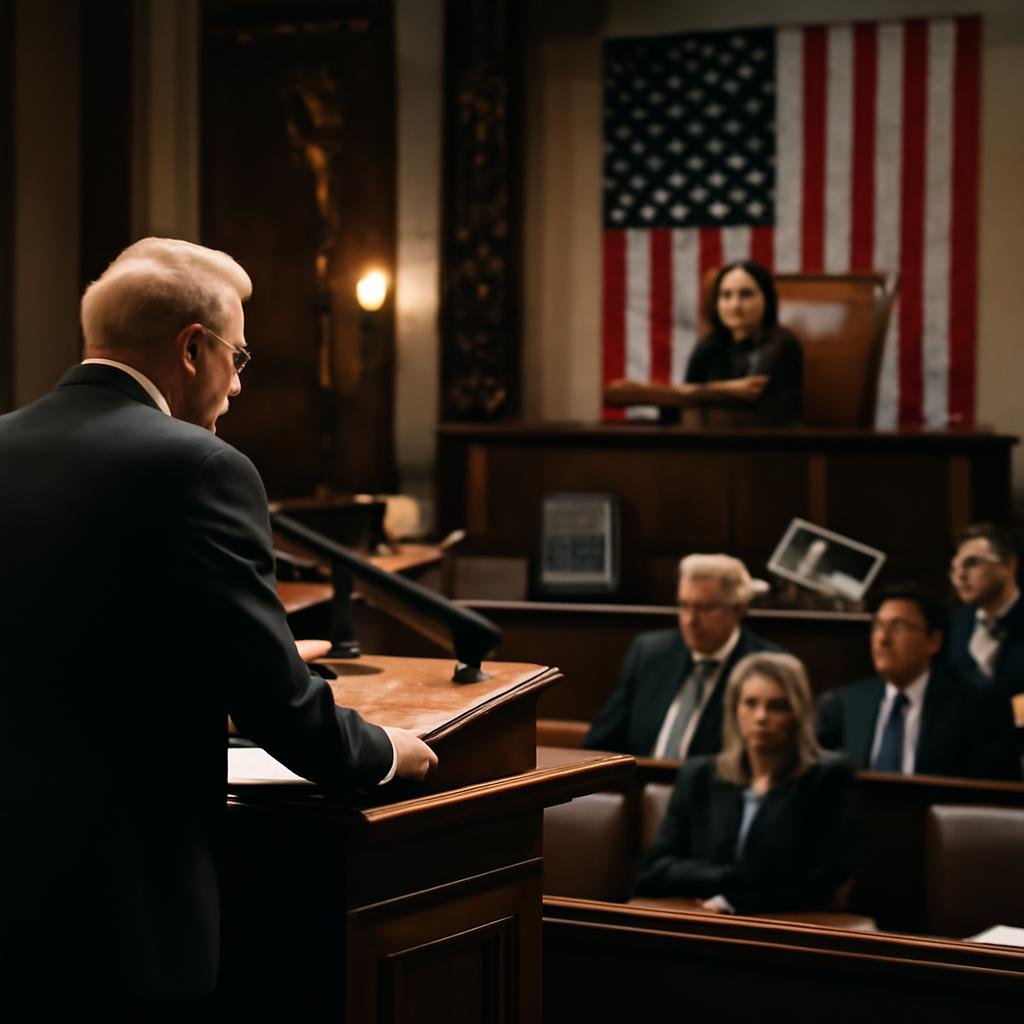
On July 1, 2026, the House of Representatives approved a pivotal seven-year extension for terrorism insurance, which is anticipated to bolster the commercial real estate market and strengthen financing avenues. The National Association of Realtors (NAR) lauded this decision, highlighting its importance for the stability of commercial real estate sales and construction activities across the country.
Terrorism insurance has been a contentious yet essential part of real estate financing since its inception. In the wake of significant events in history that have impacted property and investment markets, such as the 9/11 attacks, it became clear that mitigating the financial risks associated with terrorism is crucial for both lenders and investors. By ensuring a long-term structure for terrorism insurance, the House aims to create a more secure investment environment that will catalyze commercial transactions and developments.
Economic experts underscore that extending this insurance not only helps directly within the real estate sector but also has broader implications for the overall economy. Greater confidence in the real estate market can lead to increased construction activities, resulting in job creation and a ripple effect benefiting adjacent sectors such as finance, construction supplies, and local businesses. NAR's support for this extension stresses the interconnectedness of these industries and the potential for economic growth stemming from a stable real estate market.
The extension sets the stage for long-term planning by developers and investors, who often factor in insurance coverage as a significant element of their projects. With this assurance, more aggressive projects that may have previously seemed risky could now become viable options, fostering innovation in commercial spaces and possibly leading to an increase in affordable housing stemming from commercial-to-residential conversions.
As industry stakeholders await the Senate's response to this measure, the anticipation is high among those looking to invest or improve infrastructure in commercial real estate. The ramifications of this legislative decision could resonate throughout the economy, marking a pivotal moment for real estate's future.
In conclusion, the seven-year extension of terrorism insurance is not merely a legislative formality; it represents a beacon of stability in the real estate landscape, promising enhanced confidence among investors and developers alike while contributing to the overall economic framework.
Was this article helpful?