
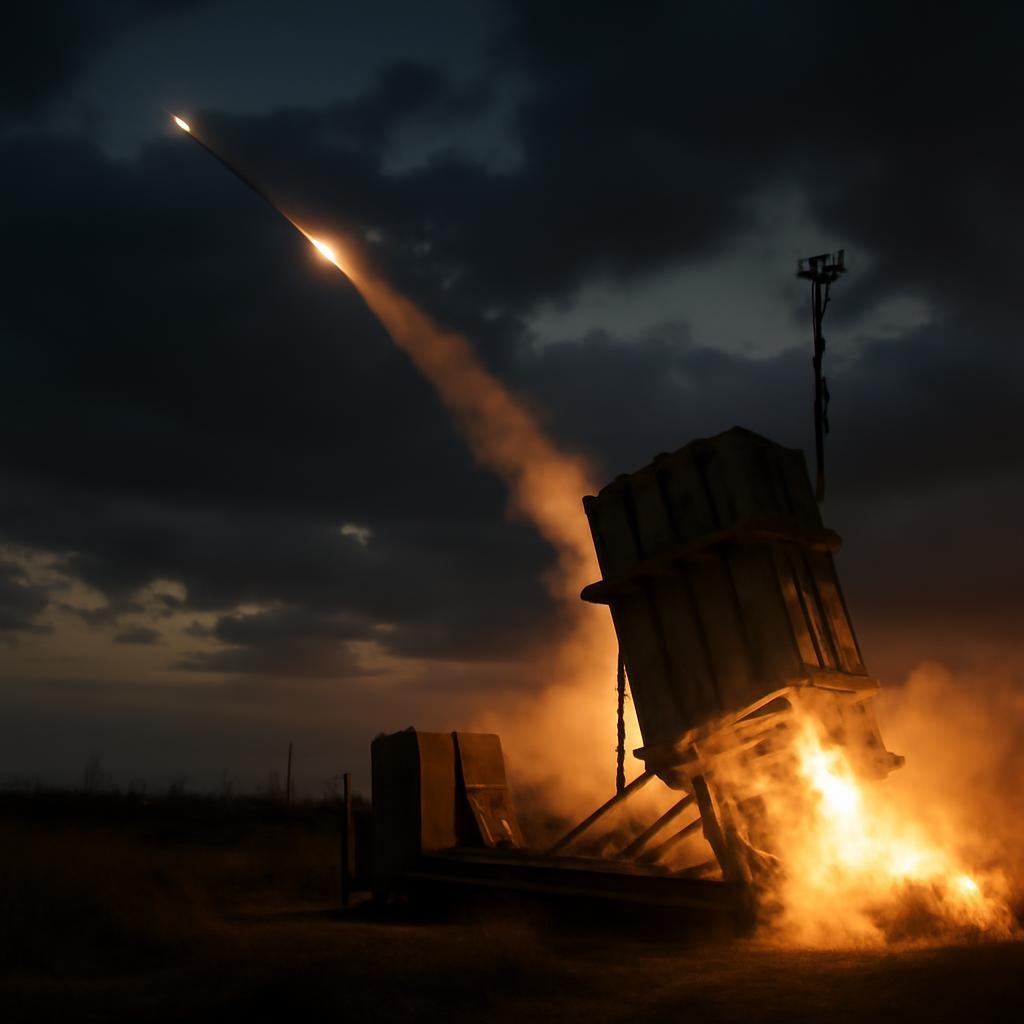
In a revealing assessment published by Foreign Policy, the effectiveness of current missile defense systems was tested during the ongoing conflict with Iran. The war has highlighted vulnerabilities in U.S. missile defenses that could have serious implications for future conflicts, especially in the context of rising tensions over Taiwan.
Recent reports indicate that while U.S. missile defense systems successfully intercepted a significant number of Iranian missiles, the technology may not hold up against newer threats, particularly those posed by China. Analysts warn that the missile defense strategies employed against Iran could prove inadequate when facing the complexities of a potential conflict over Taiwan, where missile technology and military tactics are rapidly evolving.
The situation is prompting a reevaluation of how the U.S. engages with its adversaries. As missile technology becomes more advanced, the potential for conflict increases, raising questions about U.S. readiness and strategic planning. Senator Tammy Duckworth underscored this sentiment by advocating for a firm stance against China, emphasizing the need for the U.S. to demonstrate strength in the face of Chinese ambitions in the region. This reflects a broader bipartisan concern within the U.S. government about national security and defense readiness.
In the analysis, experts noted that while the missile defense systems performed well in intercepting strikes from Iran, the differences in attack strategy and technological sophistication mean that a similar response might not yield the same results if faced with Chinese missile threats. The complexity of electronic warfare and cyber capabilities additionally complicate the defense landscape, highlighting potential gaps in current U.S. military preparedness.
Overall, the recent conflicts have exposed not only the strengths but also the limitations of the U.S. missile defense systems. As tensions with China grow, the U.S. may need to advance its technological approach to ensure its defenses are capable in a multidimensional threat environment. Addressing these challenges will be crucial for maintaining strategic stability in the Pacific theater in the coming years.
Was this article helpful?