
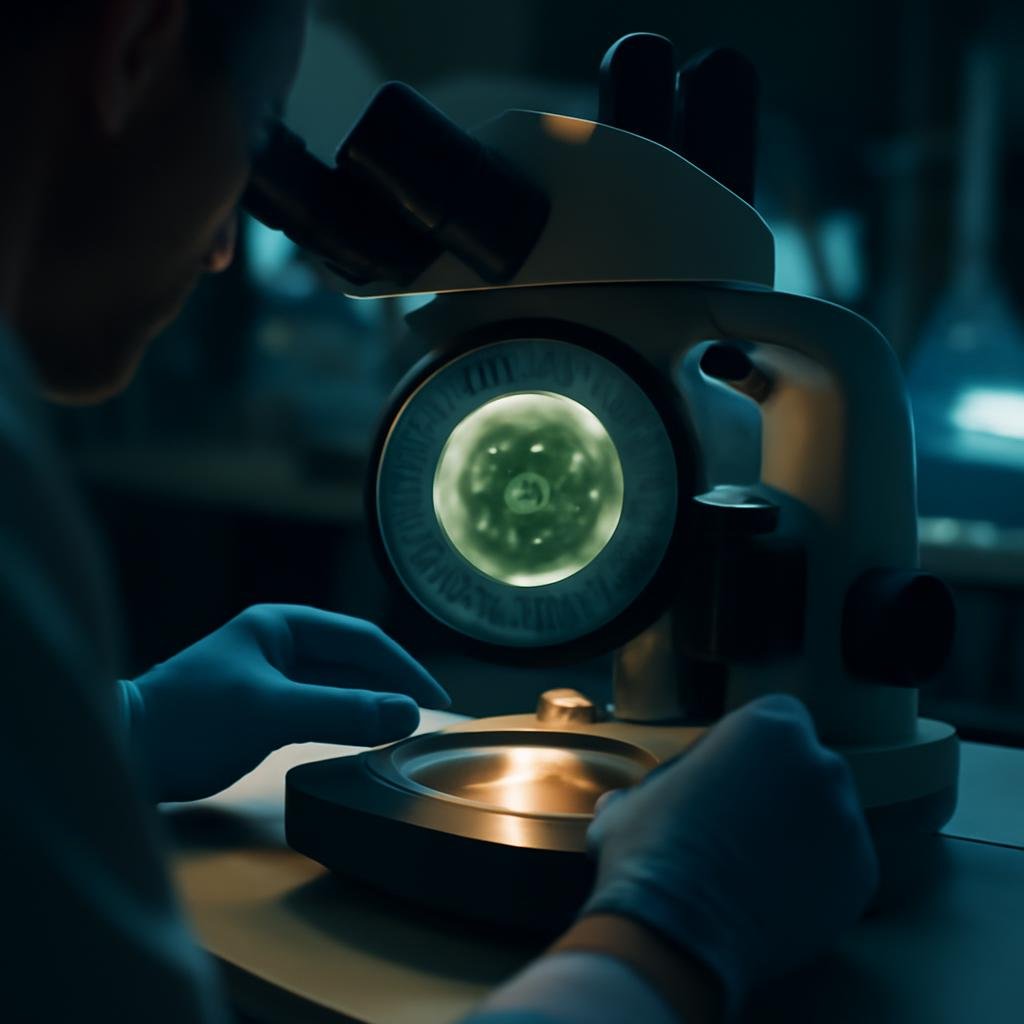
In a remarkable advancement for synthetic biology, scientists have successfully engineered a synthetic cell, termed SpudCell, which closely replicates the complex behaviors of natural cells. Announced on July 6, 2026, this innovative platform can not only consume nutrients but also grow and divide autonomously, much like their biological counterparts. The development was reported by *Live Science*, showcasing the potential of SpudCell to revolutionize various fields, including drug delivery and bioengineering.
SpudCell stands out due to its unprecedented lifelike properties, enabling it to perform functions traditionally associated with living cells. Researchers involved in this project have highlighted that creating such sophisticated cell-like structures opens up new avenues for studying cellular processes without the ethical concerns tied to using actual living organisms. This breakthrough could pave the way for innovations in areas ranging from regenerative medicine to environmental biotechnology, where tailored cellular actions are crucial.
Historically, synthetic cells have been limited in their operational capabilities. However, SpudCell's unique design combines essential cellular functionalities, making it a strong candidate for practical applications. For instance, its nutrient uptake mechanisms could be exploited for targeted drug delivery systems, enhancing therapeutic efficiency while minimizing side effects.
The implications of this research extend beyond just scientific curiosity. The ability to create lifelike cell structures may lead to the development of more effective treatments for diseases, offering hope for patients who currently rely on ineffectual therapies. Furthermore, understanding the mechanics of how these synthetic cells operate could lead to breakthroughs in how we approach biological research, allowing scientists to test hypotheses in a controlled artificial environment.
As this field progresses, further studies will likely focus on refining SpudCell's functions and exploring its full potential in real-world applications. The creation of lifelike synthetic cells is indeed a significant milestone in understanding and manipulating biological systems at a cellular level, heralding a new era for synthetic biology and biotechnology.
For more insights on this major scientific discovery, you can read the full article at Live Science.
Was this article helpful?