
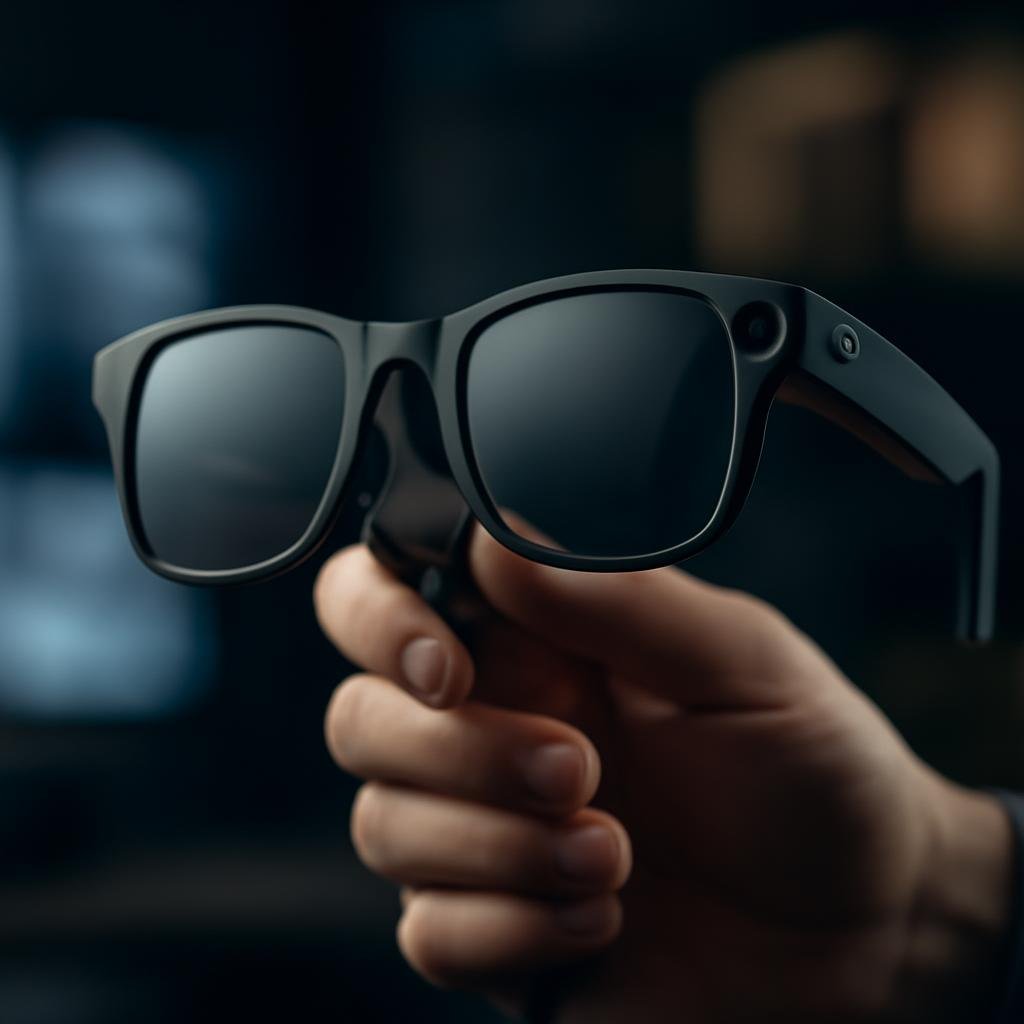
On June 23, 2026, Meta announced its entry into the AI smart glasses market with a new line of products designed in-house. This strategic move is part of a broader initiative to expand its offerings in wearable technology, which has become an emerging battleground among tech giants amid the accelerating race in artificial intelligence. By opting for an in-house design approach, Meta aims to not only innovate but also reduce costs, thereby making AI smart glasses more accessible to consumers.
The key feature of these new glasses is their integration of advanced AI capabilities. While details on the specific functionalities have yet to be fully revealed, early reports suggest that the glasses will allow users to access augmented reality applications and interact with various digital platforms seamlessly. This could revolutionize both personal and professional use-cases, enhancing experiences in sectors like education, entertainment, and remote work.
In recent years, companies like Apple and Google have dominated the wearable technology space, driving the necessity for Meta to innovate and potentially undercut market pricing. By providing a more affordable product, Meta is positioning itself as a strong competitor. This realignment of their strategy may attract a wider audience looking for cutting-edge technology without a hefty price tag, creating significant implications for the market landscape.
Moreover, with the rapid advancements in AI, the potential applications of these smart glasses could range from personal assistants that adapt to user habits to live translation services and more. The implications extend beyond consumer excitement; they raise questions about privacy, security, and the ethical use of augmented technologies. Meta will need to navigate these concerns carefully to maintain user trust as it embarks on this new journey.
In conclusion, Meta’s initiative appears to be a well-calculated step towards solidifying its presence in the competitive AI and wearable technology sectors. The upcoming launch will not only test market reception but could also influence future developments in wearable tech across the industry.
Was this article helpful?