
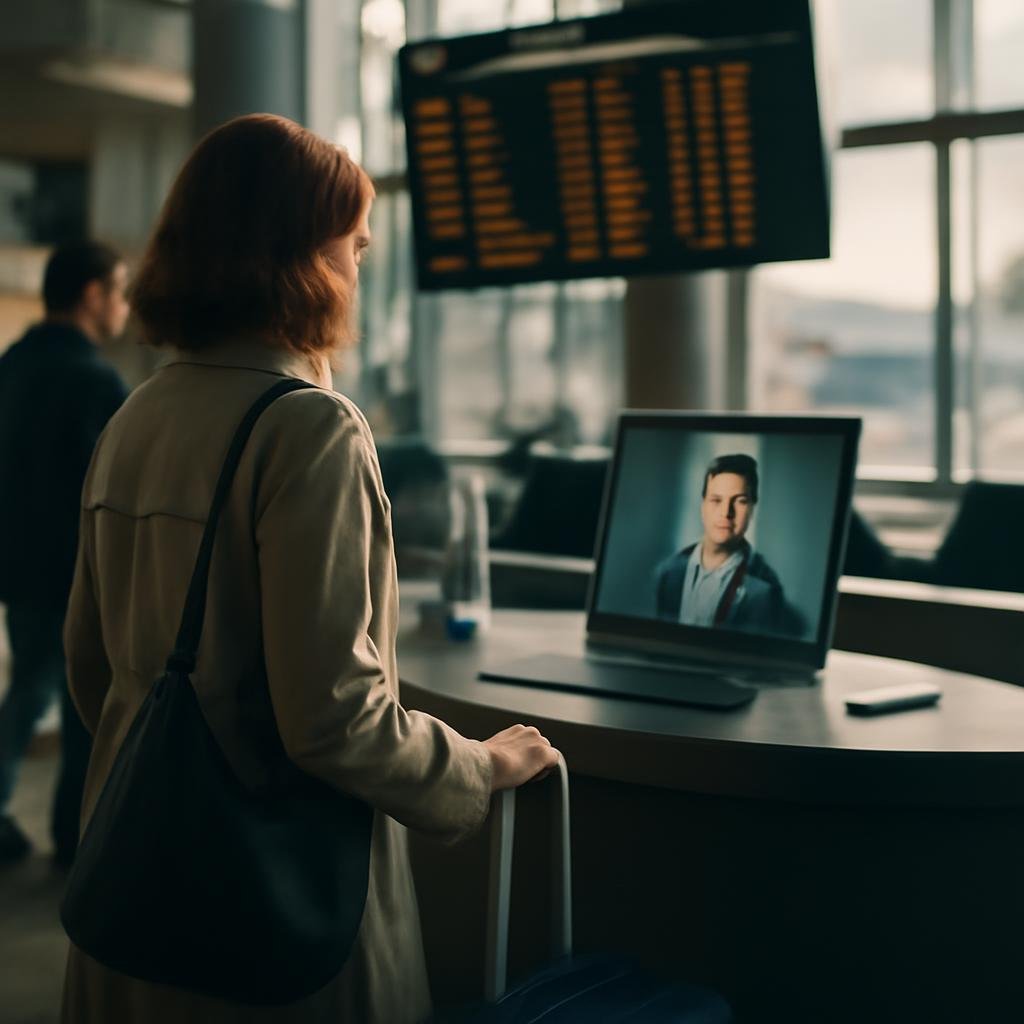
On July 2, 2026, Trip.com Executive Chairman James Liang emphasized a crucial challenge for online travel agencies (OTAs): winning the trust of both human travelers and Artificial Intelligence (AI) platforms. Liang's statement highlights the evolving landscape of the travel industry, where the integration of AI is becoming increasingly significant. As travelers increasingly rely on AI-driven recommendations and bookings, the trustworthiness of these platforms is paramount.
The push for trust is particularly critical as travelers seek transparency and reliability in their travel planning experiences. OTAs face the dual challenge of ensuring that their services are perceived as credible by consumers, while also aligning with the emerging norms of technology in their sector. This includes offering personalized experiences that cater specifically to individual preferences, delivered reliably through AI.
Currently, the scramble to build this trust is intensifying, with OTAs investing in advanced technologies and partnerships that enhance their capabilities in data analysis and customer service. However, the journey toward gaining a trusted environment is more complex than simply optimizing algorithms; it encompasses understanding traveler concerns and responding effectively to them. Tech advancements need to be matched by clear communication strategies and robust safety measures to reassure users of AI use.
Furthermore, competition among OTAs is fierce as companies work to outpace one another in not just technology adoption but customer engagement. Efforts to create engaging and responsive environments for both human travelers and AI will determine which OTAs come out ahead in this new era of travel planning. Companies must ensure they are able to measure satisfaction of both AI agents and the travelers they serve, ultimately defining their competitive edge.
As travel preferences continue to evolve, trust will play a central role in shaping future interactions. Those OTAs that successfully build and maintain this trust stand to gain significant advantages, including increased loyalty and potentially higher conversion rates.
In conclusion, the relationship between travelers, AI, and OTAs is unfolding rapidly, with the key challenge being the establishment of trust. This represents not just a technological hurdle, but a fundamental reshaping of how travel businesses operate in a digital-first world.