
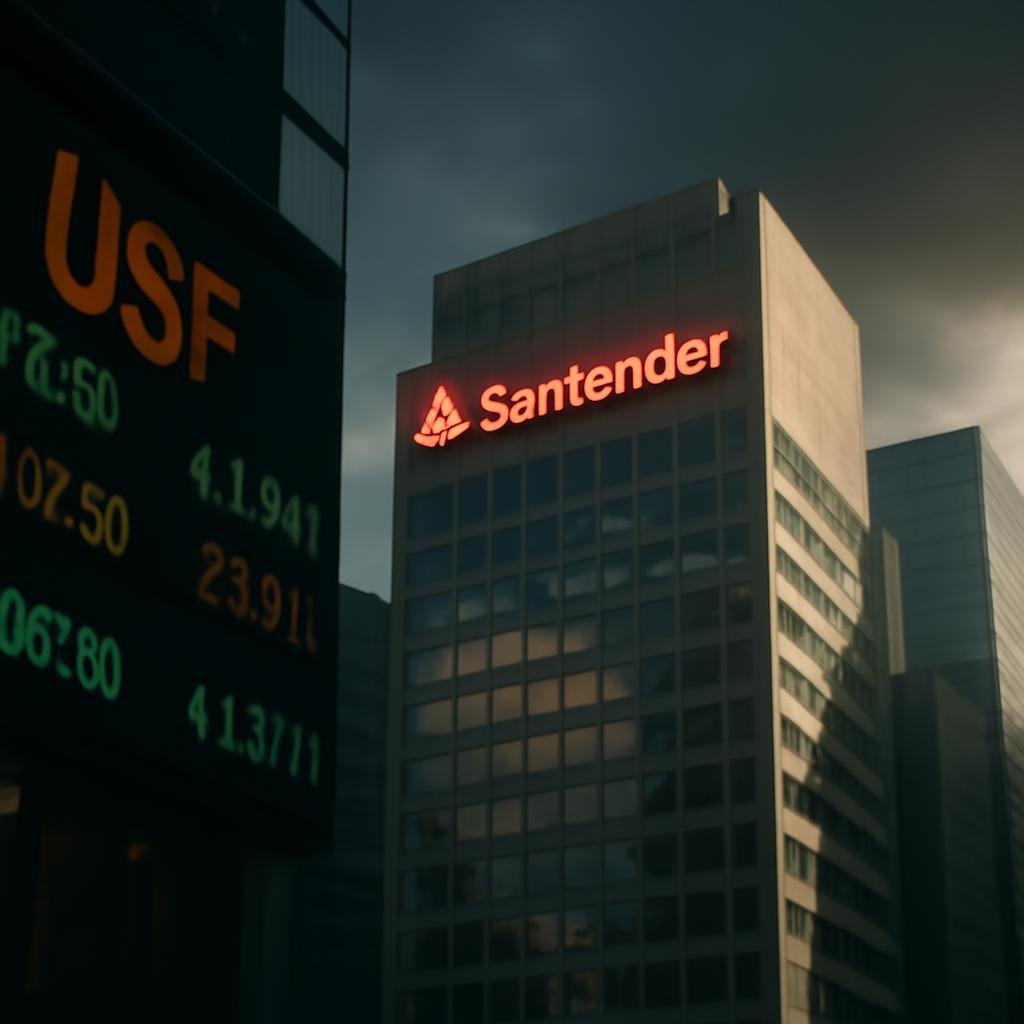
On June 30, 2026, Global Finance Magazine reported that Santander is quietly making strategic moves to enhance its presence in the American fintech landscape. This comes at a time when U.S. banks are bracing for competition from Revolut, a well-known fintech disruptor. Santander’s approach not only introduces another layer of competition but also raises questions about the future dynamics of the U.S. banking sector.
Santander, which has historically been a strong player in markets outside the U.S., is now strategically targeting American consumers with a suite of innovative financial products and services. Among these offerings are simple account setups and competitive fee structures that aim to attract younger, tech-savvy customers who prefer mobile banking solutions over traditional banking methods. The bank is leveraging its established reputation in Europe while adapting its services to meet the specific needs of the U.S. market.
The shift in focus by Santander coincides with Revolut’s anticipated full-scale entry into the U.S., which has garnered significant attention in the finance community. Revolut has disrupted the conventional banking model with its digital-first approach, providing borderless banking solutions at low costs. Santander’s emergence as a competitor reflects a growing trend among traditional banks to innovate and adapt in response to fintech challengers. By offering competitive rates and leveraging technology for seamless transactions, Santander could capture market share that was previously dominated by digital-only banks.
The impacts of this competitive landscape could significantly reshape the U.S. banking ecosystem. As Santander and other international banks refine their strategies in response to fintech expansion, traditional U.S. banks face mounting pressure to enhance their offerings. Improved technology, lower fees, and diversified services are likely to become the benchmarks as consumers increasingly prefer convenience and modern solutions over legacy methods.
In conclusion, as Santander positions itself as a formidable player in the American market, consumers can expect more options and potentially better service as competition heats up. This environment encourages banks to innovate, which can ultimately lead to improved financial products and better customer experiences.
Was this article helpful?