
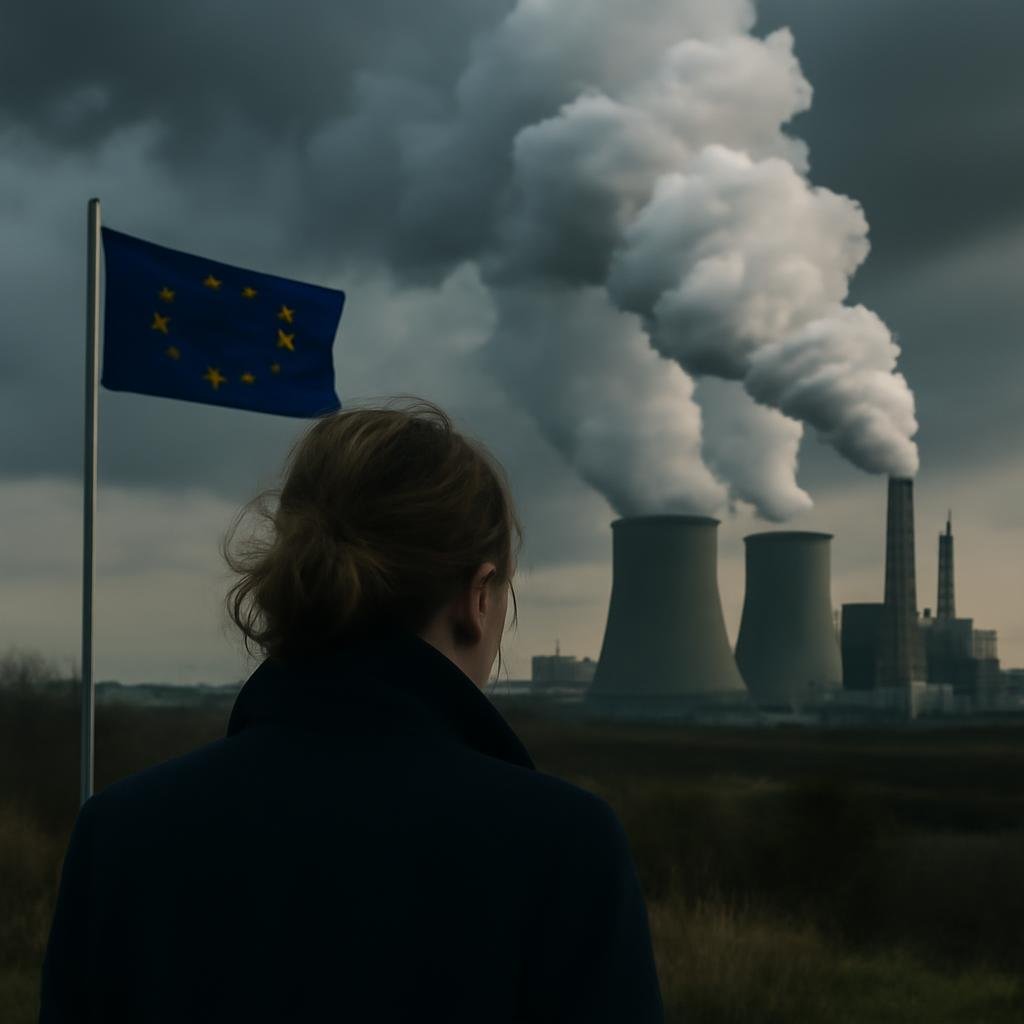
Recent reports indicate that reassessments of climate science have shifted the narrative on future climate scenarios. According to a scientific article published in Foreign Policy on June 30, 2026, the optimistic adjustments suggest that the most catastrophic predictions about climate change may have been overstated. However, rather than providing a false sense of security, these findings serve as a clarion call for immediate climate action across Europe.
As Europe grapples with increasingly severe heatwaves, the message from this new research is crystal clear: the time for complacency has passed. The stark reality is that while some previous predictions may have been too dire, the urgency for addressing climate challenges remains paramount. The latest evaluations stress the need for rapid transitions towards sustainable energy use and policies that can mitigate further climate degradation. The Intergovernmental Panel on Climate Change (IPCC) has long emphasized that even relatively minor increases in average global temperatures can lead to catastrophic consequences, including extreme weather events that threaten both human life and biodiversity.
Moreover, the economic implications are profound. Investing in green technologies and sustainable infrastructure is no longer simply an ethical mandate but a strategic necessity. The potential economic gains from climate action, including job creation in renewable energy sectors and reduced health costs from pollution, provide a compelling framework for nations to accelerate their climate agendas. For instance, developing clean energy initiatives can heal economies alongside the planet, creating financial incentives to transition away from fossil fuels.
In conclusion, while the recalibration of doomsday scenarios suggests less urgency than previously thought, it does not eliminate the necessity for immediate and comprehensive climate policy. The message is increasingly about how Europe can prepare for resilience against climate change, rather than a simple reaction to past forecasts. Moving forward, European leaders must take these findings seriously and prioritize a proactive, informed approach to climate policy and action.
For readers interested in understanding more about the implications of these findings, exploring the nuances of climate policy can provide a better grasp of how societies can adapt to and mitigate climate challenges.
### Sources - Foreign Policy
Was this article helpful?