
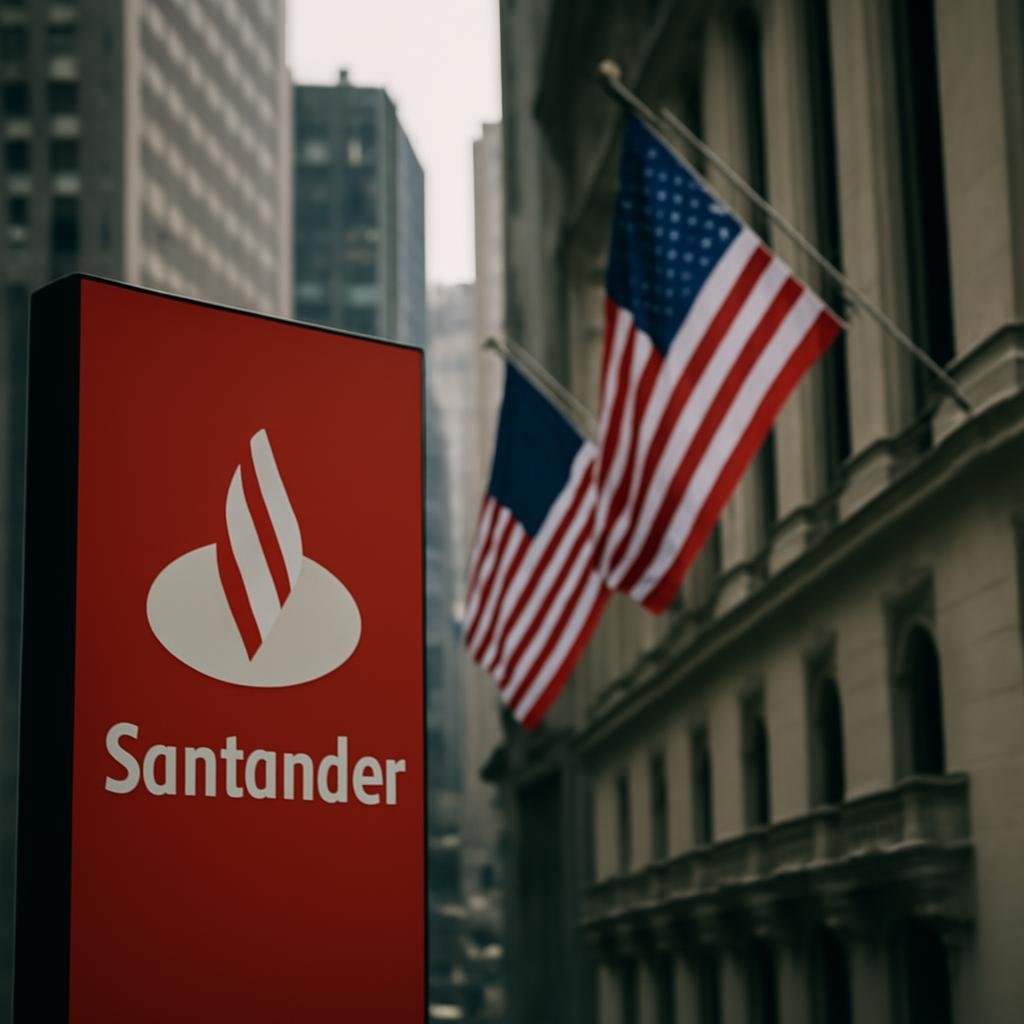
In a surprising move within the financial industry, Santander is setting its sights on disrupting the American market as banks brace for the full-scale entry of fintech giant Revolut. According to a report from Global Finance Magazine on June 30, 2026, Santander’s strategy could potentially reshape the competitive dynamics of the US banking sector.
Santander has been relatively low-profile in its approach thus far, but with Revolut's anticipated full launch, it is ramping up its efforts to capture a larger share of the market. The fintech landscape in the United States is currently characterized by increasing competition, as traditional banks face challenges from agile, technology-driven firms like Revolut. The latter is known for its ability to attract customers rapidly with innovative offerings related to personal finance, trading, and international banking—all in an app-based environment that appeals significantly to tech-savvy consumers.
What sets Santander apart is not only its established global footprint but also its potential to leverage existing customer relationships to introduce new products tailored to American consumers. With an intensive focus on enhancing its digital services, Santander is anticipated to offer competitive rates and advanced features designed to cater to the contemporary banking needs of users. Such initiatives could serve as a deterrent for consumers considering Revolut as their primary banking option, especially for those who value the familiarity and security associated with traditional banking institutions.
Furthermore, this move indicates a broader trend among traditional banks deciding against complacency in the wake of fintech innovations. As banks like Santander evolve their strategic priorities, the focus shifts toward developing technology that enhances customer experience while also maintaining strong compliance and security measures, which are critical in the financial services sector.
With Revolut’s expansion looming on the horizon, Santander’s proactive stance might not only safeguard its existing customer base but also appeal to potential users seeking reliability alongside innovation. For consumers, this competitive pressure may result in better services, improved pricing, and enhanced offerings tailored to their individual needs, thereby enriching their financial lives.
The developments in the fintech arena suggest that consumers will be observing closely how Santander’s entry into the US market plays out, particularly in light of Revolut’s strategy. As the competition heats up, the overall bar will be raised for service standards across the board, benefiting consumers in the long run.