
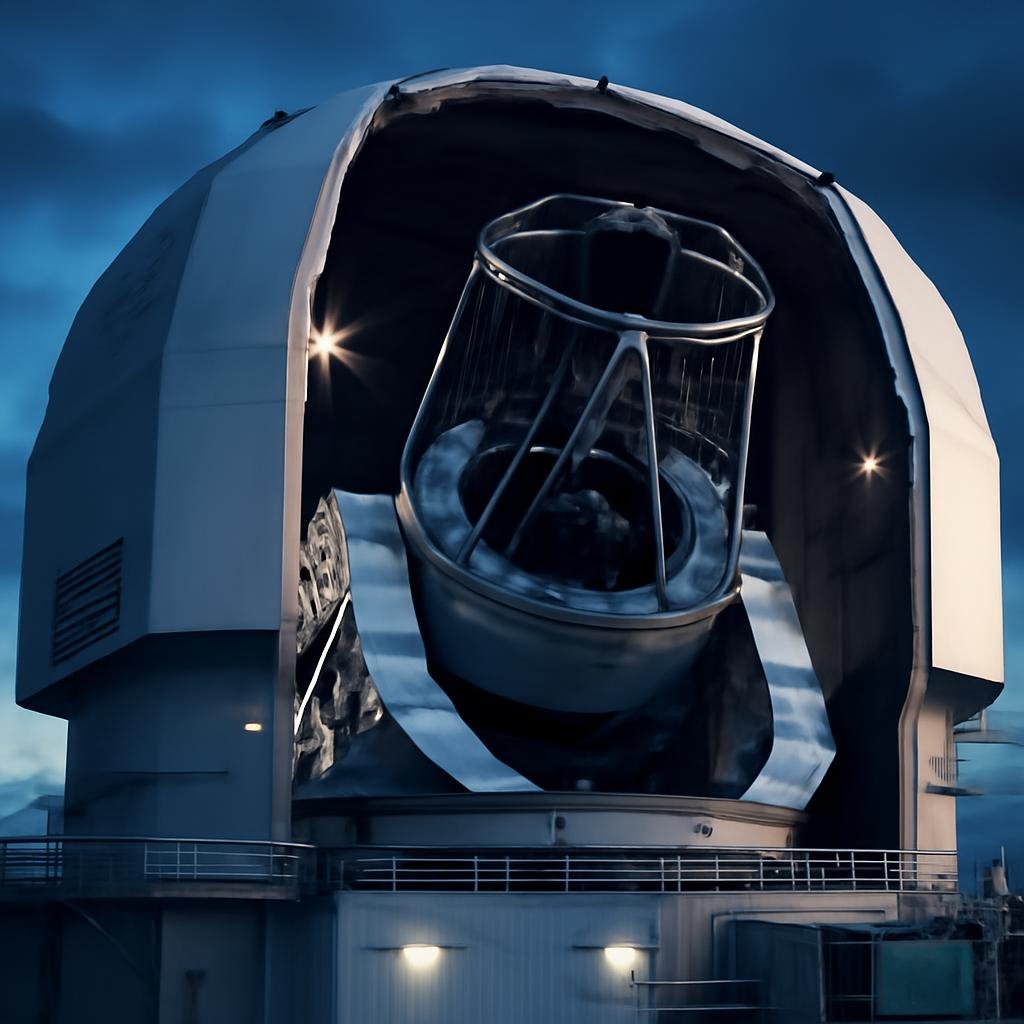
On June 30, 2026, the Rubin Observatory officially commenced its groundbreaking 10-year initiative, known as the Legacy Survey of Space and Time (LSST). This ambitious campaign aims to significantly enhance our understanding of the universe by capturing an unprecedented amount of astronomical data. Through this survey, the observatory expects to discover millions of asteroids and investigate the mysteries surrounding dark matter and dark energy, crucial components that govern the cosmos but remain poorly understood.
The LSST will utilize one of the world's largest and most advanced telescopes, equipped with a revolutionary camera capable of taking incredibly detailed images of the night sky. Specifically, this project aims to produce a time-lapse ‘movie’ of the sky, monitoring and collecting data on celestial objects every few nights. This approach will not only identify new asteroids but also allow astronomers to track their movements over time, aiding in predicting potential threats to Earth.
In collaboration with astronomers from the University of Washington, the Rubin Observatory is poised to become a pivotal player in the ongoing quest to understand fundamental cosmic questions. Observations from the LSST are expected to shed light on the distribution of dark matter and the dynamics of dark energy, which could drastically alter our comprehension of how the universe evolves. The data collected will also have vast implications for planetary defense initiatives, as understanding the trajectories of asteroids can help identify and mitigate potential impacts on Earth.
The impact of the LSST is expected to be substantial, attracting interest not just from professional astronomers but also from citizen scientists and the general public. Interactive platforms will allow individuals to engage with the material discovered during the survey, fostering a broader appreciation of space science. As the observatory embarks on this colossal project, it envisions a future where our cosmic knowledge expands dramatically, making this initiative a cornerstone for both current and future astronomical research.
Was this article helpful?