
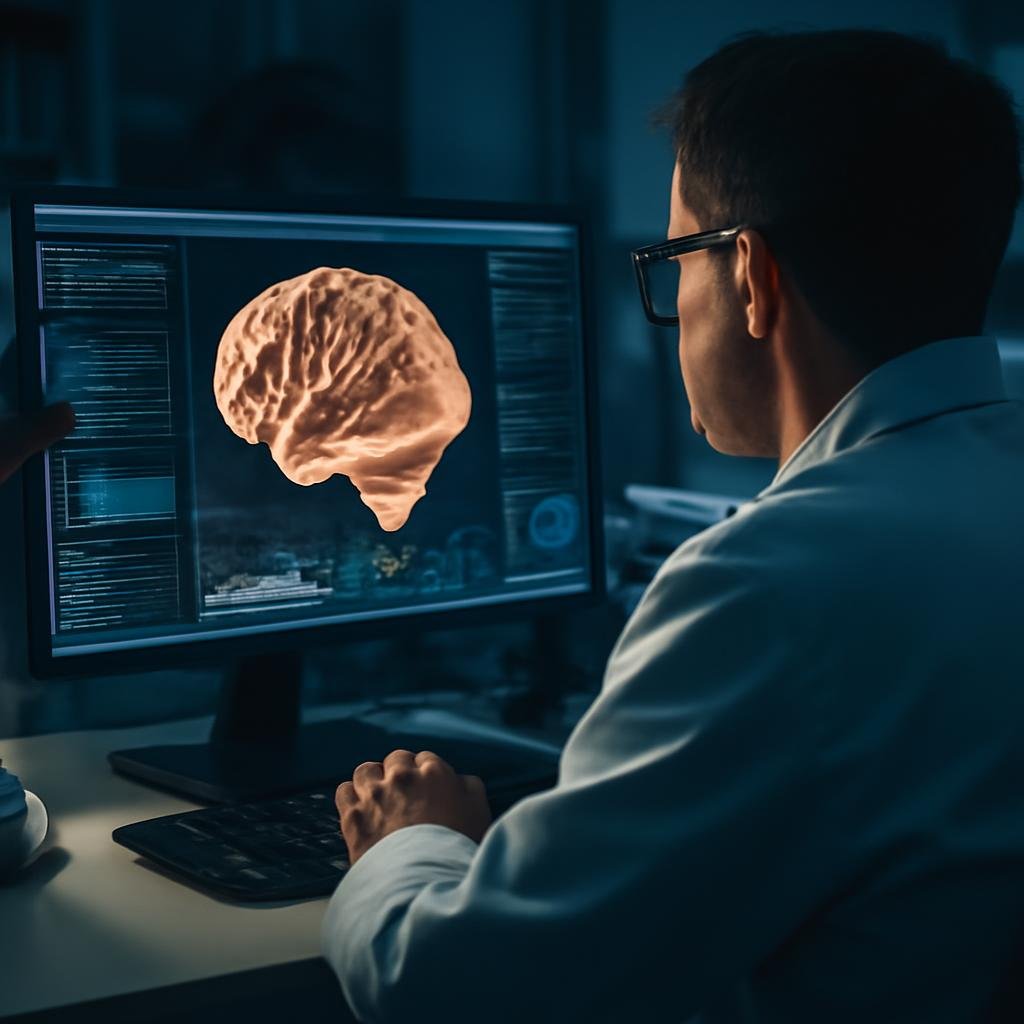
In a groundbreaking study published on July 3, 2026, researchers from the Center Synergy of Systems (SynoSys) at TUD Dresden University of Technology, alongside the Max Planck Institute for Human Development and the University of Basel, have unveiled a novel method for understanding the complexities of human decision-making. This new approach integrates observed choices with free-text responses detailing the thought processes behind those decisions, allowing for a richer analysis of human behavior than traditional behavioral data alone can provide.
The research aims to bridge the gap between quantitative and qualitative analyses of decision-making. By enabling participants to describe their decision-making processes in their own words, the researchers hope to uncover the motivations, emotional states, and contextual factors that influence choices. This multifaceted approach is particularly significant in fields such as psychology, economics, and behavioral science, where understanding the nuanced reasons behind decision-making can lead to enhanced models of human behavior.
One of the critical advantages of this method is its ability to reveal hidden variables that conventional models might overlook. For instance, while standard economic models often assume rationality in decision-making, the integration of personal narratives can highlight the emotional and psychological factors at play, leading to a more comprehensive understanding of why individuals choose one option over another. This could have far-reaching implications, from improving consumer behavior predictions to informing public policy and interventions.
The implications of this research extend beyond academic inquiry. In practical terms, organizations may harness these insights to enhance marketing strategies, tailor products to consumer needs more precisely, and design better decision-support systems. By recognizing the intricate web of influences behind choices, businesses can foster more effective communication and engagement with their audiences.
As researchers continue to refine this methodology, it could transform our understanding of decision behaviors and lead to significant advancements in various sectors, from healthcare to finance. By studying the interplay between choices and personal narratives, we may move closer to unraveling the complexities of human motivation, providing a clearer picture of how decisions are made in an increasingly complex world.
In summary, this innovative approach marks a key advancement in the study of human behavior and decision-making, promising to reshape how we think about the choices we make daily.
Was this article helpful?