
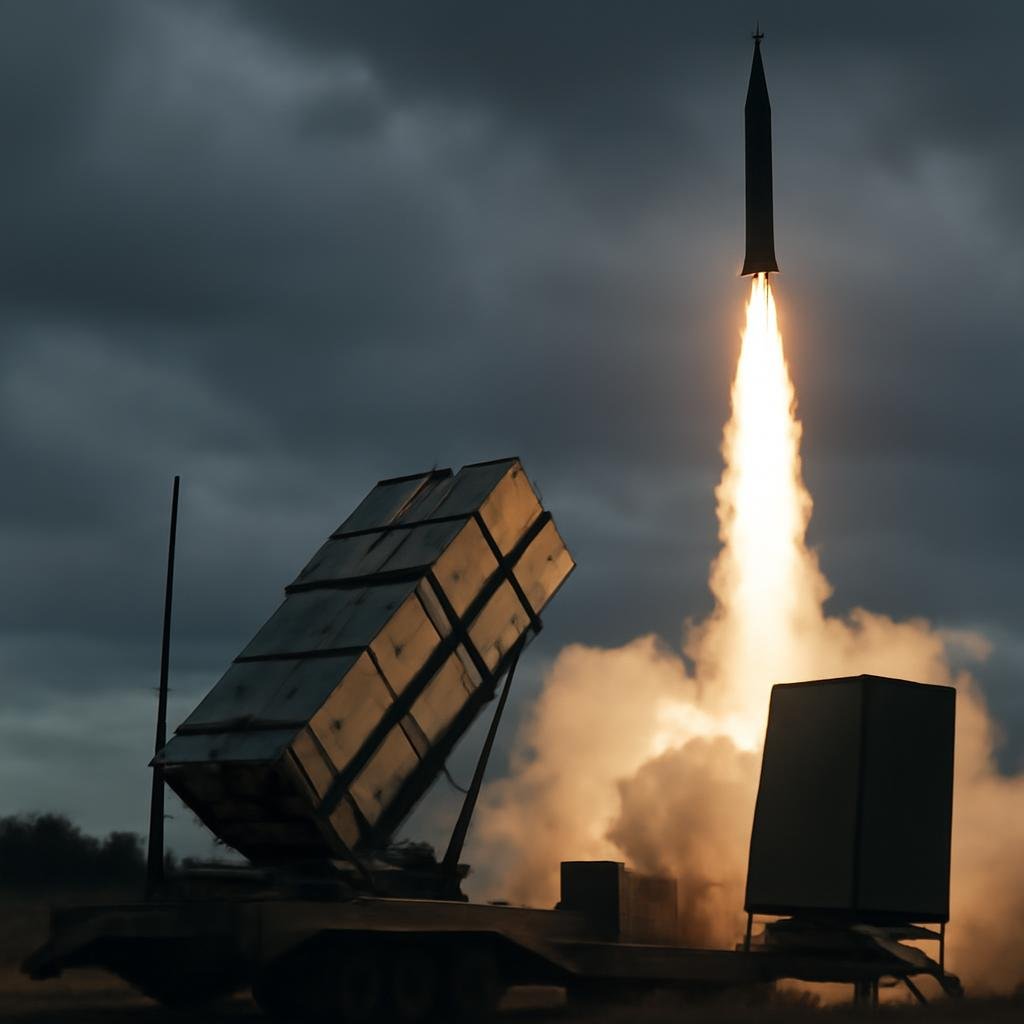
The ongoing conflict with Iran has illuminated significant shortcomings in U.S. missile defense systems, questioning their reliability against advanced threats posed by nations such as China. A critical analysis published by Foreign Policy indicates that while U.S. systems have effectively intercepted Iranian missiles, the complexities of a potential conflict over Taiwan could expose serious vulnerabilities.
This revelation comes at a time when U.S.-China relations are increasingly strained, especially with China’s aggressive posturing towards Taiwan. The U.S. reliance on its missile defense systems has been a cornerstone of its defense strategy, designed to protect not only its own territory but also that of allies. However, the report suggests that these systems may not be adequately equipped to address the sophisticated missile technology and tactics that China is likely to employ if tensions escalate into military action. This development represents a pivotal moment, as the strategic landscape in the Asia-Pacific region continues to evolve.
The report notes specific shortcomings observed during the engagement with Iranian missiles, where defenses were successful yet revealed limitations that could be catastrophic in a more extensive and technologically advanced conflict. Specifically, the systems’ radar and interceptor capabilities were tested, illustrating a need for enhancement to address the diverse missile threats from potential adversaries, particularly in a multi-domain conflict environment.
As U.S. officials and defense analysts scrutinize these systems, discussions on new technology and strategic adjustments are intensifying, intending to preemptively address these vulnerabilities. Moreover, as tensions between the U.S. and China escalate, the timing of these evaluations is crucial, particularly with U.S. officials emphasizing the necessity to maintain a solid stance against any incursions by China into Taiwanese waters.
The overarching theme in this discourse is the urgent need for innovation in U.S. missile defense systems to ensure they remain effective against evolving threats. Failure to adapt could result in a significant defense gap that might embolden adversaries like China, thus placing U.S. security and allies’ safety at risk.
In summary, while defensive measures have seen success in previous conflicts, new strategies and technologies are imperative to meet the challenges of a potential confrontation over Taiwan. The stakes are high as the world watches the interplay of defense strategies unfold against the backdrop of rising geopolitical tensions.
Was this article helpful?