
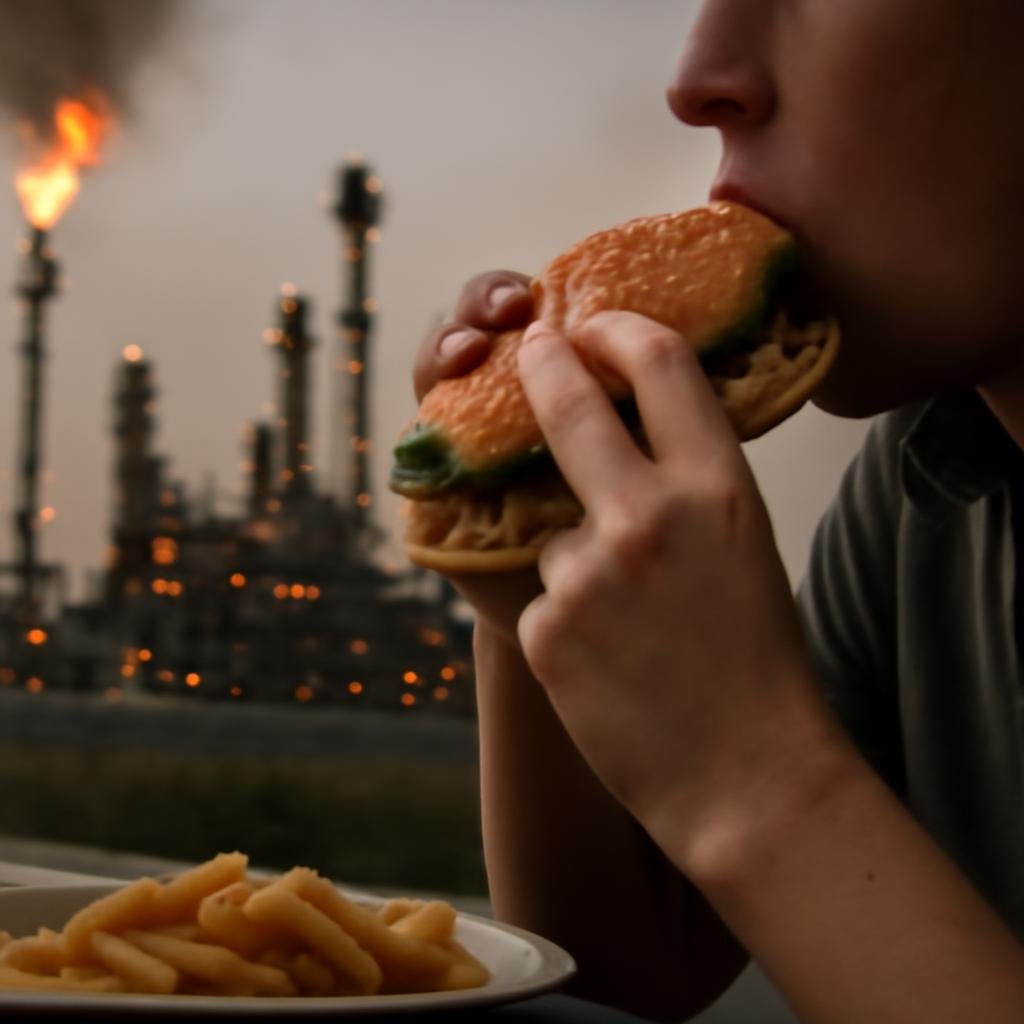
As the 2026 FIFA World Cup unfolds in Houston, attention has turned not just to the sporting events but also to a significant sponsorship deal with oil giant Aramco. While the matches capture global excitement, just 100 miles away in Port Arthur, Texas, residents are raising alarming concerns about the refinery's operations and their potential health impacts. On July 4, reports emerged detailing how local community members feel increasingly threatened by emissions from the refinery, believing they are exposed to dangerous gases linked to long-term health issues.
The community feedback paints a stark contrast to the pride felt by Aramco's promotion during one of the world's largest sports events. Protestors describe conditions concerning enough to refer to their surrounding environment as a "hellhole," drawing attention to the dissonance between corporate sponsorship and local well-being. Aramco, benefiting from its prominent visibility during the World Cup, finds itself in a complex situation where its positive public relations in sports are directly challenged by grassroots activism in the vicinity of its operations.
This disparity highlights a critical conversation about corporate responsibility, particularly in the energy sector, where oil and gas companies often face scrutiny regarding their impact on local communities. The World Cup serves as a backdrop to this ongoing narrative, prompting questions about how companies can ethically navigate their market strategies while being accountable to the populations they affect.
Additionally, the refinery's history compounds these assertions, with residents citing longstanding grievances associated with air quality and the potential toxicity of emissions. As the World Cup brings international attention to Houston, it also provokes necessary discussions about environmental justice and the rights of local citizens to live in a safe and healthy environment, free from harmful industrial exposure.
In conclusion, the juxtaposition of Aramco's booming visibility during the World Cup against the health-related fears of Texans underscores a pressing need for action and dialogue. It calls for examination of how industries can coexist with communities, ultimately leading to better practices that resonate beyond the football pitch.
For readers looking into this issue further, it would be useful to follow local developments regarding environmental regulations and community activism responses toward industrial practices.
Source: The Guardian
Was this article helpful?