
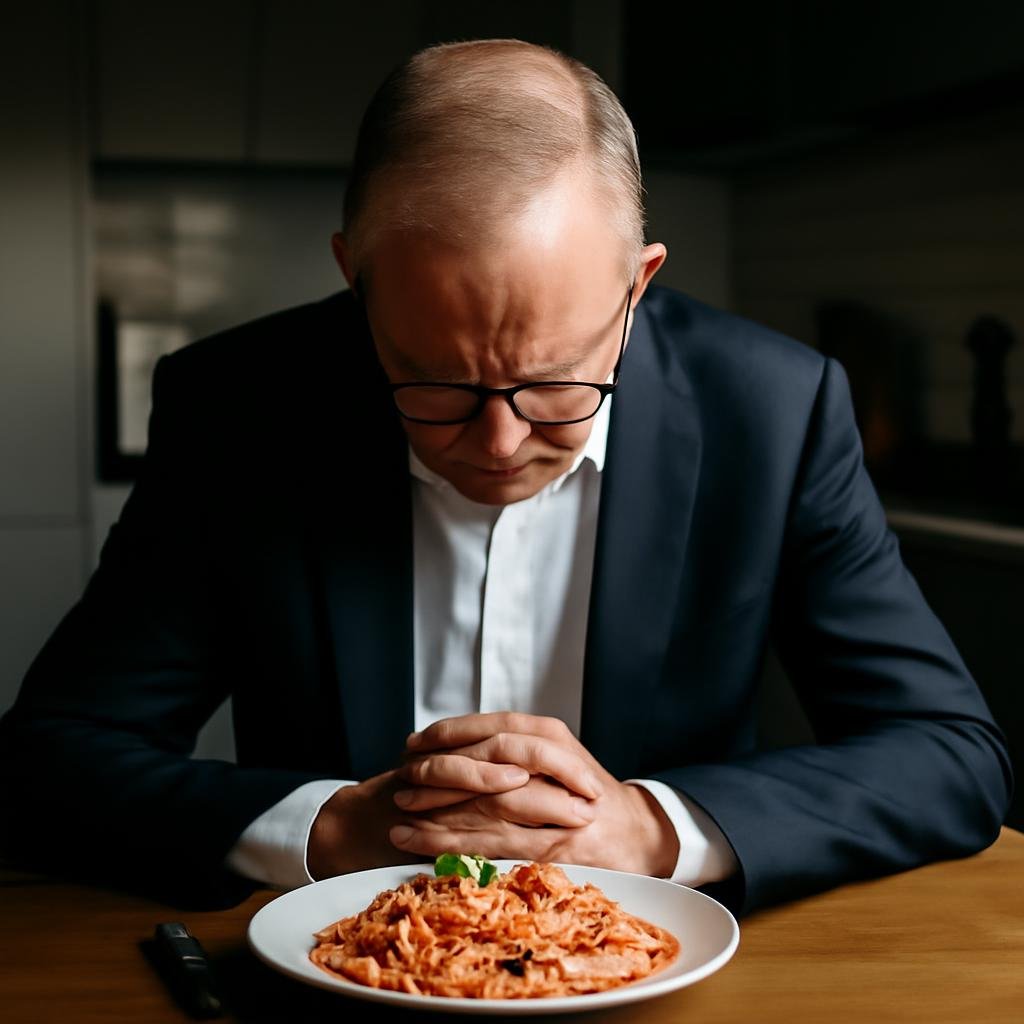
On July 5, 2026, Australian Prime Minister Anthony Albanese found himself in hot water after a lighthearted comment he made about pop superstar Kylie Minogue on a comedy podcast. The remark was made during a game of "shag, marry, date," which fans of the show noted veered into potentially disrespectful territory. Following backlash on social media, Albanese apologized "unequivocally," acknowledging that his comment was inappropriate.
This incident has amplified discussions about the role politicians play in shaping public discourse, especially how their words can inadvertently position public figures in a sometimes derogatory light. Albanese, who has been in office since May 2022, is no stranger to dealing with the intersection of celebrity and politics, but this incident highlights the delicate balance leaders must maintain when attempting humor or casual dialogue.
Podcasts have become a significant platform for political figures, inviting them to engage with a wider audience in a more relaxed format. However, as Albanese’s situation demonstrates, the informal nature of such discussions doesn’t exempt speakers from the impact of their words. This particular incident not only addresses the importance of choice of language in public forums but also underscores the sensitivities surrounding celebrity culture.
Kylie Minogue, a beloved figure in Australia, represents more than just pop culture; she embodies a national iconography that can evoke strong feelings among fans. The Prime Minister’s comments have sparked conversations about how public figures are often objectified in entertainment contexts, further complicating the relationship between celebrity status and respect.
As Australia continues to navigate the complexities of modern political engagement, the Albanese incident serves as a reminder of the significant influence that language carries, and the responsibility that comes with public discourse. Leaders are tasked with promoting a culture of respect and ensuring that their communications align with these values, especially in a rapidly evolving media landscape.
For those interested in the broader implications of such incidents, it serves as a crucial case study on the interactions between leaders, the public, and the ongoing dialogue surrounding celebrity influence and respect.
Was this article helpful?