
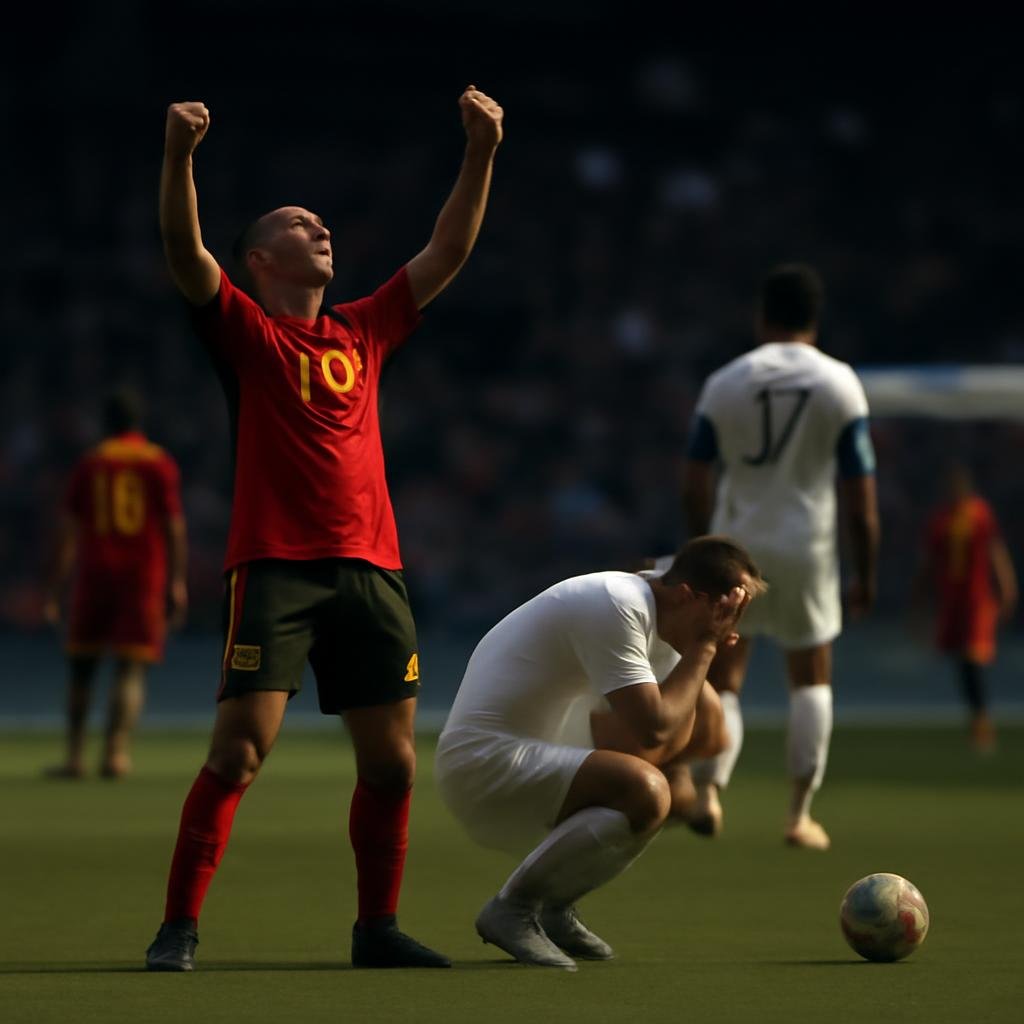
In a decisive match on July 6, 2026, Belgium defeated the host nation, the U.S., 2-0 in what many view as a pivotal game in the ongoing FIFA World Cup. The victory comes at a time of heightened scrutiny towards FIFA and its President, Gianni Infantino, particularly in light of ongoing controversies including political implications involving prominent figures. This defeat raises pressing questions regarding the U.S. Men's National Team's (USMNT) future in international football competition and their readiness on this global stage.
Belgium’s win was not just a result of effective tactics but also a manifestation of their rich football pedigree. Manager Rudi Garcia made several bold choices in player selection, notably sidelining star Kevin De Bruyne. Though some considered this risky, the decision paid off as players like Charles De Ketelaere and Romelu Lukaku dazzled on the field with their performance. Their contributions were critical in asserting Belgium’s dominance throughout the match and showcased their capabilities as serious contenders in this World Cup.
Parallel to Belgium's triumph, the U.S. team found itself grappling not only with the loss but also with broader implications tied to the World Cup's narrative. President Trump’s ongoing controversies surrounding the tournament have been a topic of widespread debate, suggesting that this World Cup will be marked by challenges that extend beyond the playing field. Critics argue that such issues may tarnish the United States’ image as a co-host country, complicating its ability to foster a thriving football culture.
With Belgium advancing and the U.S. left to ponder its future, questions arise about the stability and growth of the USMNT. Recent defeats may fuel discussions about whether the team possesses the necessary depth and strategy to emerge as serious contenders in future tournaments. The combination of political shadows and performance pressures may require significant recalibration for the U.S. team moving forward.
In conclusion, while Belgium celebrates its victory and momentum, the path ahead looks more convoluted for the U.S., as they must navigate not only their sporting outcomes but also the ramifications of external factors impacting their performance on the world stage. The ongoing discourse around FIFA, coupled with the U.S.'s latest results, indicates that significant adjustments are necessary if they hope to make a mark in international football.
Was this article helpful?