
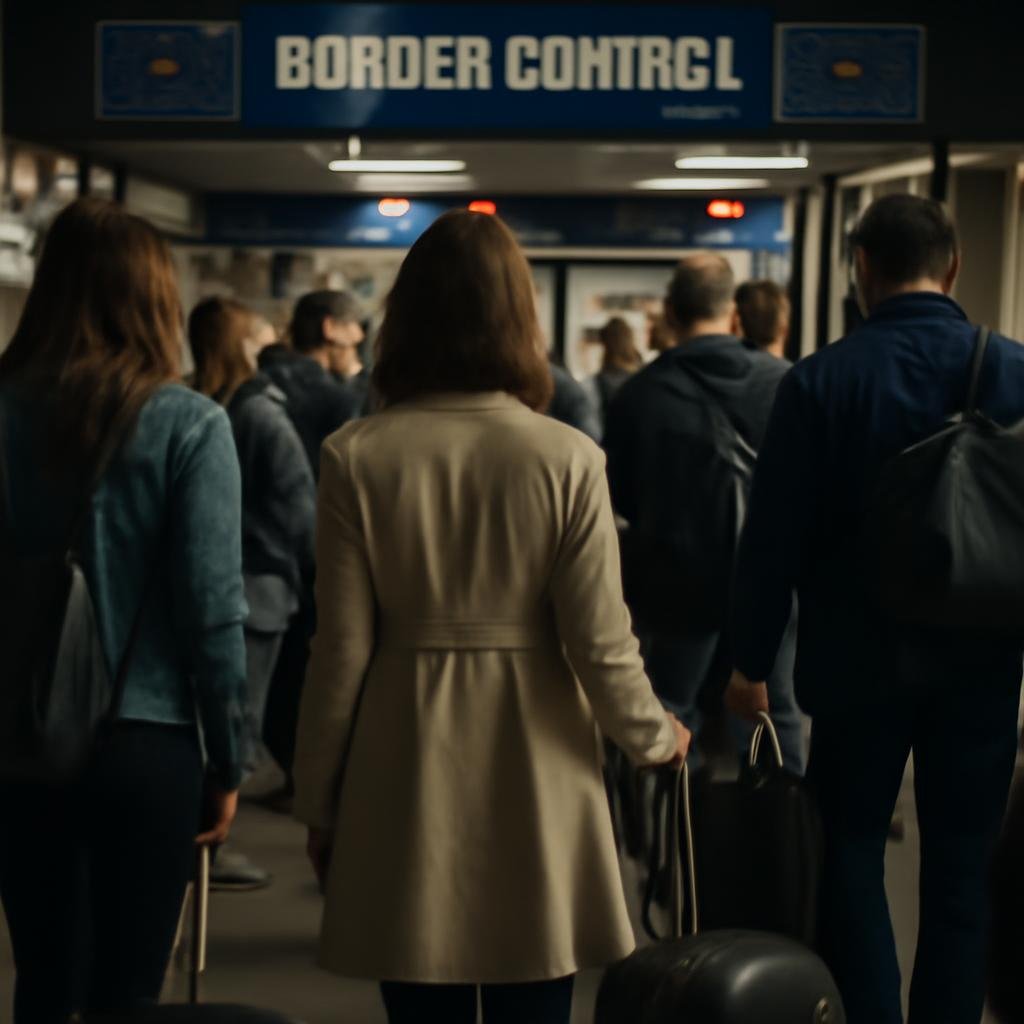
Holiday plans for travelers heading to Europe this summer have been seriously disrupted due to the implementation of a new digital entry and exit system, which has resulted in longer wait times at border control points. Launched as part of a broader strategy to enhance security and streamline immigration, these checks have already caused numerous passengers to miss their flight connections as delays mount at airports and land borders across EU nations.
The new system, known as the Entry/Exit System (EES), was established to better regulate the flow of international travelers by electronically recording their entry and exit data. However, the rollout has not been without hiccups. Reports from the start of July indicate that many travelers are facing queues lasting several hours, especially in popular tourist destinations where foot traffic has surged as the summer travel season gets underway. In addition to delays, staff shortages in some regions have exacerbated the issue, resulting in a frustrating experience for holidaymakers who had anticipated a smoother process this year.
The EES requires all non-EU visitors to scan their fingerprints and facial images, recording their data upon entry and storing it for future reference. This conforms to the EU's commitment to enhancing border security following increasing concerns about terrorism and illegal immigration. While the initiative is designed to make EU borders safer and more efficient in the long run, immediate feedback indicates a frustrating first phase where the travel industry struggles to cope with the influx of tourists eager to reconnect with European destinations.
As travelers adapt to these changes, the EU has encouraged vacationers to arrive earlier at airports and to prepare for additional wait times at border checks. The impact of these new regulations has raised questions about efficiency versus security measures and how international travel logistics will adapt in the future.
In conclusion, while the EES aims to streamline the travel process and enhance safety in the EU, its initial execution raises concerns about its immediate effectiveness during a peak travel season. Stakeholders, including airlines and tourism boards, will likely continue to monitor the situation as they seek to balance the need for security with the desire for a seamless travel experience.