
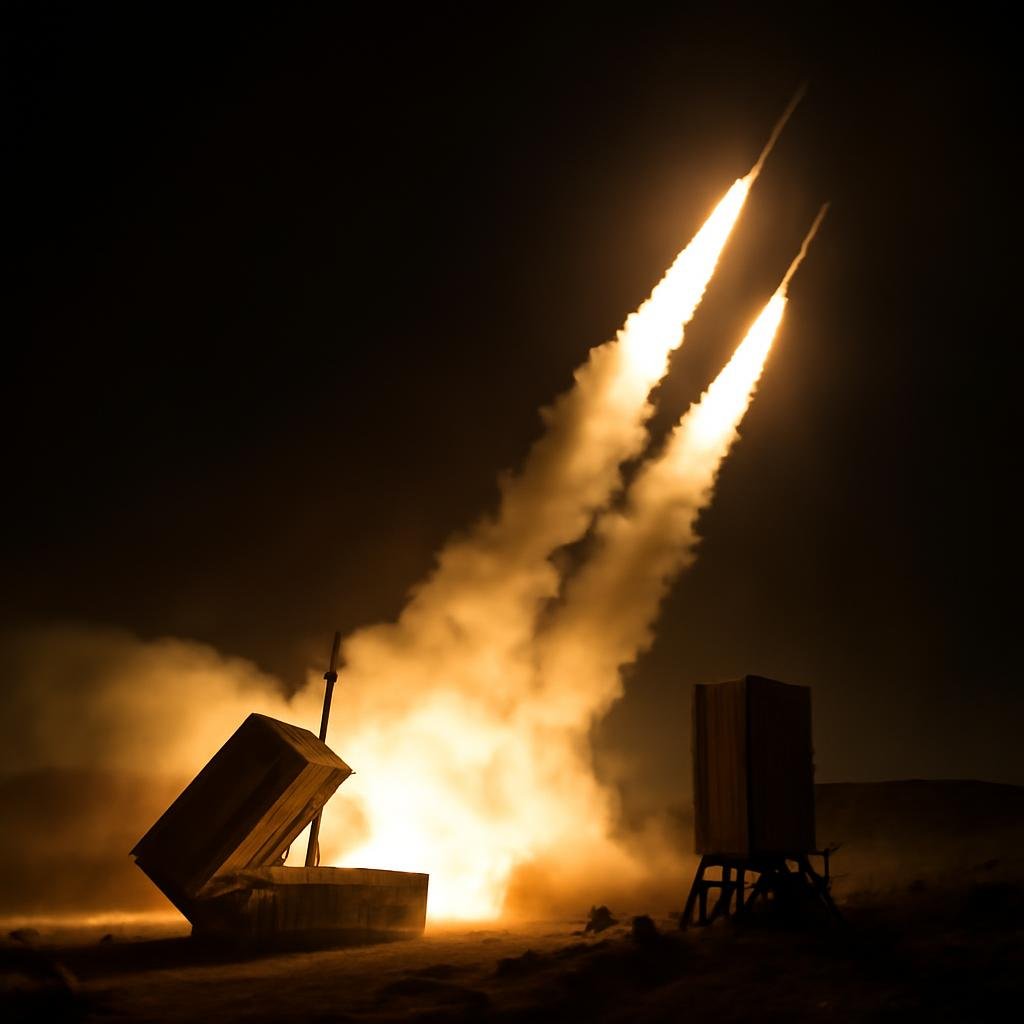
On July 14, 2026, a prominent report from Foreign Policy detailed the capabilities and limitations of the U.S. missile defense systems amidst the ongoing war in the Middle East. The success of these systems against Iranian missile threats underscores significant military advancements; however, the situation evolves differently when focusing on potential confrontations with China, particularly in the Taiwan Strait.
As the geopolitical landscape shifts, the missile defense systems that have proven effective against Iran may not hold up under the pressure of a conflict with a state as formidable as China. This concern is heightened by the fact that a conflict over Taiwan is anticipated to involve advanced missile technologies, including hypersonic weapons that could challenge existing U.S. defense measures. While the current military engagements have showcased the interceptor capabilities of U.S. systems, defense experts argue that these same technologies may lack the adaptability and reliability needed for future scenarios, particularly in a theater as dynamic as that surrounding Taiwan.
The discussion also highlights a critical aspect of military preparedness: the agility and responsiveness of defense systems in facing evolving threats. The U.S. has had notable successes in intercepting missile attacks from Iran, suggesting that its investments in missile defense technology are paying off. However, military analysts suggest that reliance on these systems alone may lead to complacency, masking deeper vulnerabilities that could be exploited in a high-stakes confrontation with China.
Furthermore, as the U.S. refines its strategy and capability against Iranian threats, it must also consider how to innovate and adapt its defense mechanisms in anticipation of China’s growing military prowess. This strategic duality presents a significant challenge: maintaining the effectiveness of current systems while preparing for the unpredictability of advanced adversaries.
The analysis serves as a crucial reminder of the complexities inherent in modern warfare, where success against one set of adversaries does not guarantee preparedness against others. As military engagements unfold, the necessity for continuous evolution in defense technology will be paramount to safeguard national security in an increasingly multi-faceted global landscape.
Was this article helpful?