
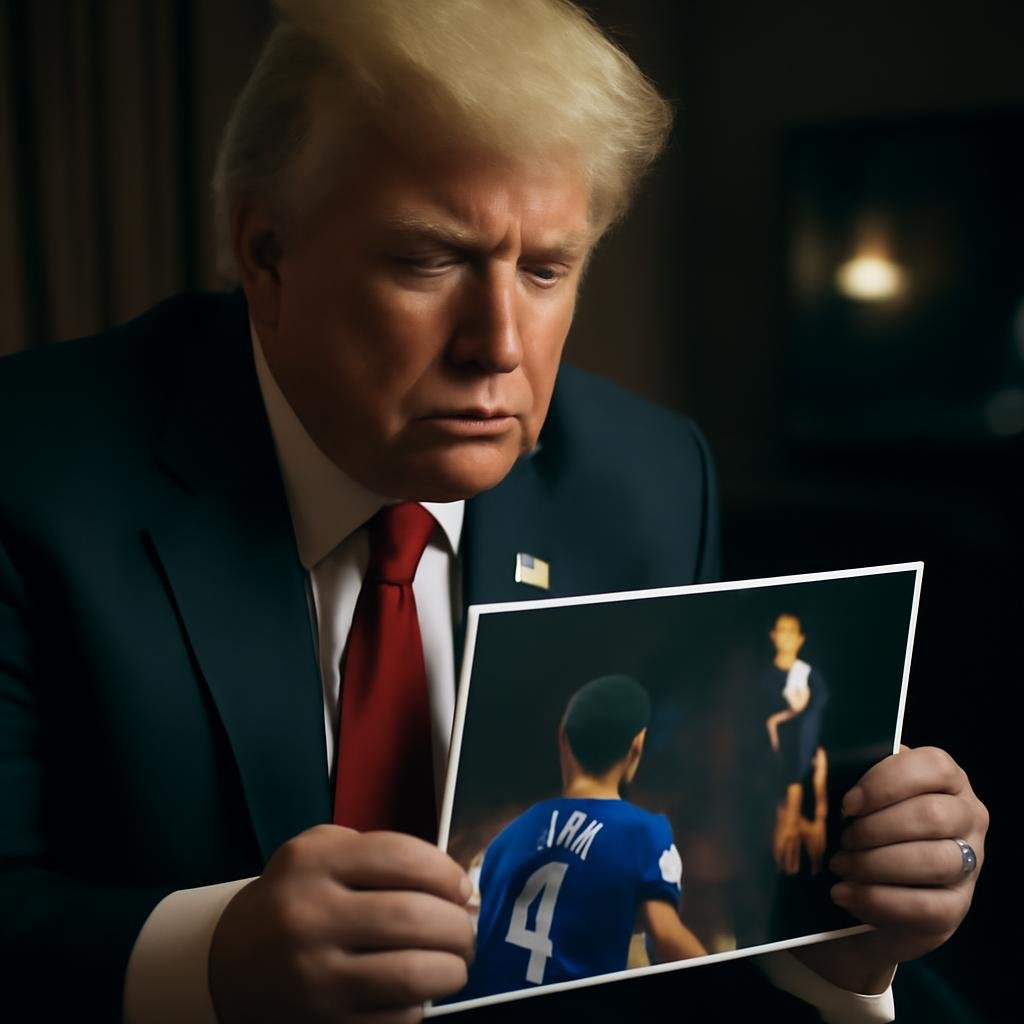
In a surprising turn within the sports and entertainment worlds, former President Donald Trump confirmed on July 6, 2026, that he contacted FIFA president Gianni Infantino to discuss the controversial red card issued to U.S. Men's National Team (USMNT) star Folarin Balogun during the World Cup. This intervention has sparked significant discourse, especially within the European football community, prompting UEFA to express its discontent with Trump's actions.
Balogun received a red card in a crucial match, which led to his expulsion and a considerable backlash from USMNT supporters. Many argued that the decision was unjust and detrimental to the team's chances in the tournament. In the wake of mounting criticism, Trump's outreach to Infantino is seen as an example of how the world of politics can intersect with sports. Infantino's response to Trump’s initiative remains to be seen. However, UEFA officials have already condemned the move, arguing that political involvement in sports officiating undermines the integrity of the game.
The overarching sentiment among sports analysts and fans alike is one of disbelief. UEFA has reinforced that decisions regarding match officiating and player discipline should remain solely within the domain of sports authorities, free from external political influences. This situation reveals a rarely seen crossover between high-profile politics and the global entertainment industry surrounding sports, potentially setting a precedent for future interactions between politicians and sporting bodies.
Looking beyond this immediate incident, the implications of Trump's call could resonate through the sport, igniting a broader debate about the role of political figures in sports governance. Discussions may emerge around the autonomy of sport governing bodies and how they handle disciplinary actions, particularly in high-stakes environments such as the World Cup.
While fans are keenly awaiting further developments, this situation underscores the volatile nature of sports and politics, especially as gameplay intensifies on world stages. The backlash from UEFA might signal a reluctance to welcome political figures into sports dialogues, fostering a cautionary atmosphere about such future interactions.
In conclusion, Trump's intervention in Balogun's red card case not only raises questions about the fairness of officiating in international sports but also illustrates the powerful influence that political figures can exert on the world of sports, an influence that many in the European football community are clearly not ready to welcome.
For those interested in the latest developments, keeping an eye on both FIFA's and UEFA's responses will be essential moving forward.
Was this article helpful?