
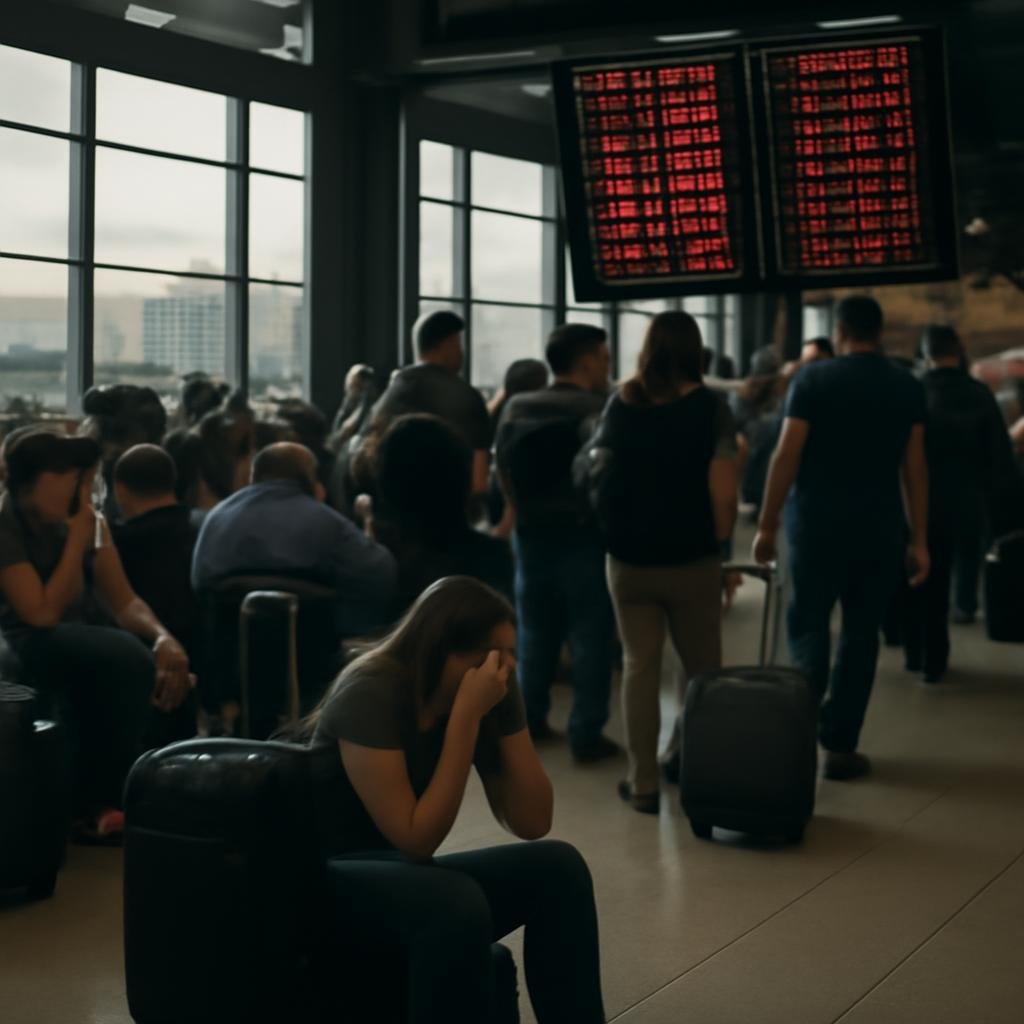
On July 6, 2026, a significant number of travelers faced overwhelming disruptions across the United States due to an unprecedented wave of flight cancellations and delays. Major cities such as Chicago, Boston, Atlanta, Philadelphia, and Newark saw a staggering total of over 8,000 flights affected, with specific figures indicating that approximately 1,055 flights were outright canceled while 7,250 faced delays. This chaotic situation drew attention to the operational challenges within the airline industry, as airlines scrambled to accommodate stranded passengers.
The crux of the issue seems to lie in a perfect storm of operational inefficiencies, passenger volume surges, and adverse weather conditions affecting key hubs. Airlines like American Airlines, United, and Southwest were among those hardest hit, exacerbating the crisis for travelers who already had high expectations for summer travel. Many travelers reported long waiting times and increased frustration as they sought alternatives or rebooked their flights.
Furthermore, this wave of cancellations could have long-term implications for travel plans and the tourism industry as a whole. With summer being one of the busiest seasons for air travel, the fallout from this incident raises concerns not only about immediate traveler satisfaction but also about future booking trends. As consumers have numerous alternatives now, they may reconsider their choice of carriers if disruptions continue to plague their travel experiences.
The current landscape of air travel is particularly fraught given the ongoing recovery from pandemic-related disruptions. Airlines are now tasked with managing an increased passenger load while dealing with the operational challenges of an industry that hasn't fully normalized. Observers widely believe that effective communication and improved operational strategies will be crucial for restoration of traveler confidence moving forward.
In summary, the current flight disruptions represent a warning sign for the entire industry, emphasizing the need for improved planning and readiness to handle such busy travel periods. Travelers will need to remain vigilant and adaptable as airlines navigate the complexities of demand and operations in the coming weeks.
Was this article helpful?