
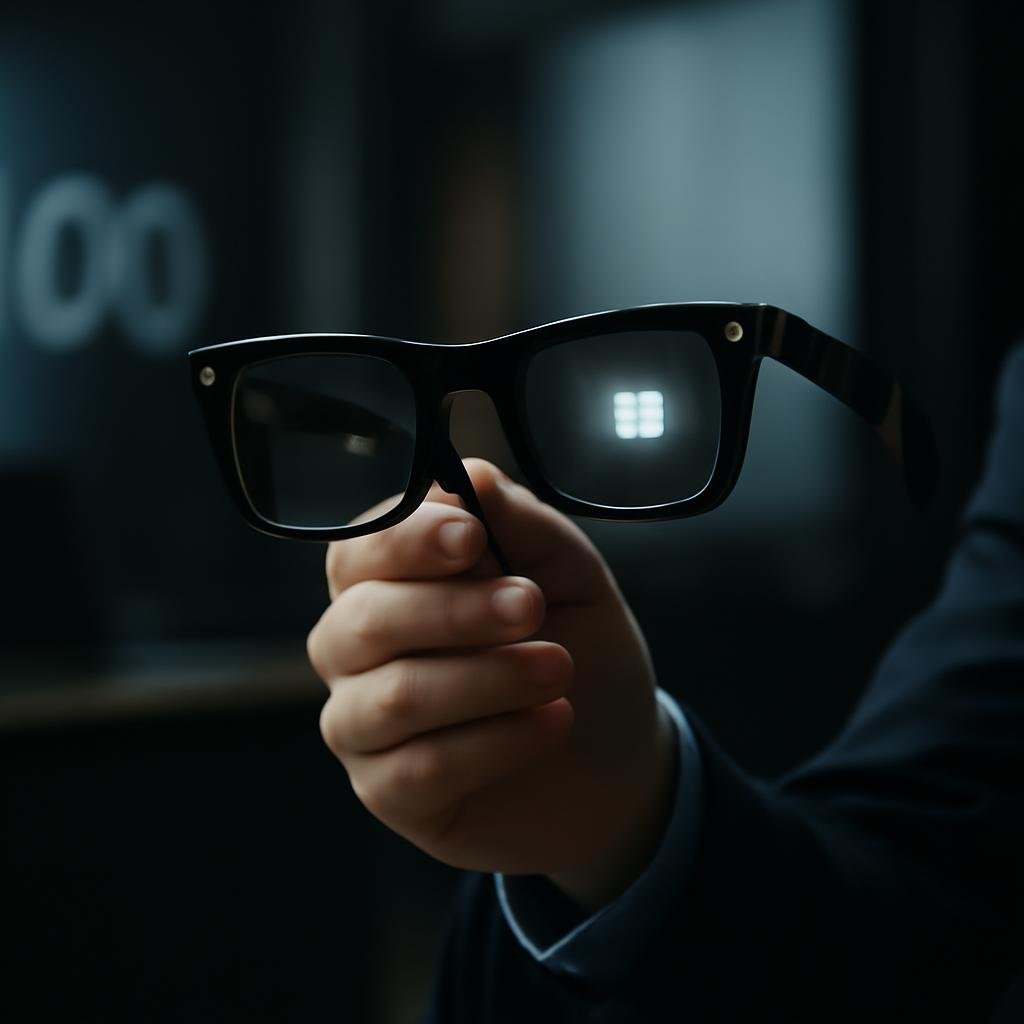
On June 23, 2026, Meta announced its foray into the AI wearable market by introducing a new line of smart glasses designed completely in-house. This strategic move not only underscores Meta's ambition to compete in the burgeoning AI and technology sector but also indicates a shift toward making advanced technology more accessible to consumers at a lower price point. The smart glasses, which will incorporate artificial intelligence features, are projected to redefine how users interact with their digital environments, enhancing everyday tasks through augmented reality and contextual information.
This announcement follows a trend of growing interest in wearable technology, where companies are racing to integrate AI functionalities into devices that enable seamless interaction with the digital world. By designing the glasses in-house, Meta aims to streamline production and reduce costs, making these advanced devices available to a wider audience. Although exact pricing details have yet to be fully disclosed, the emphasis on affordability suggests that Meta is actively seeking to differentiate its product in a market currently populated by higher-end offerings.
The launch aligns with ongoing efforts in the tech industry to embrace AI as a fundamental component of consumer technology. Competitors have increasingly focused on enhancing user experience with AI, and Meta's latest initiative is poised to position the company as a formidable player in both the AI and consumer electronics sectors. Furthermore, the push into wearables comes as consumers are more inclined toward integrating technology into their daily lives, a trend that has accelerated post-pandemic.
Meta's entry into the AI smart glasses market is not just about the technology itself but also reflects a broader industry shift toward wearable devices that provide real-time insights and augmented realities. While the effectiveness and actual user uptake of these glasses remain to be seen, they represent a crucial development in how artificial intelligence is being incorporated into daily consumer products.
As this technology evolves, it will be essential for potential consumers to evaluate how these devices can enhance their lifestyles and fit within their personal and professional routines.
Was this article helpful?