
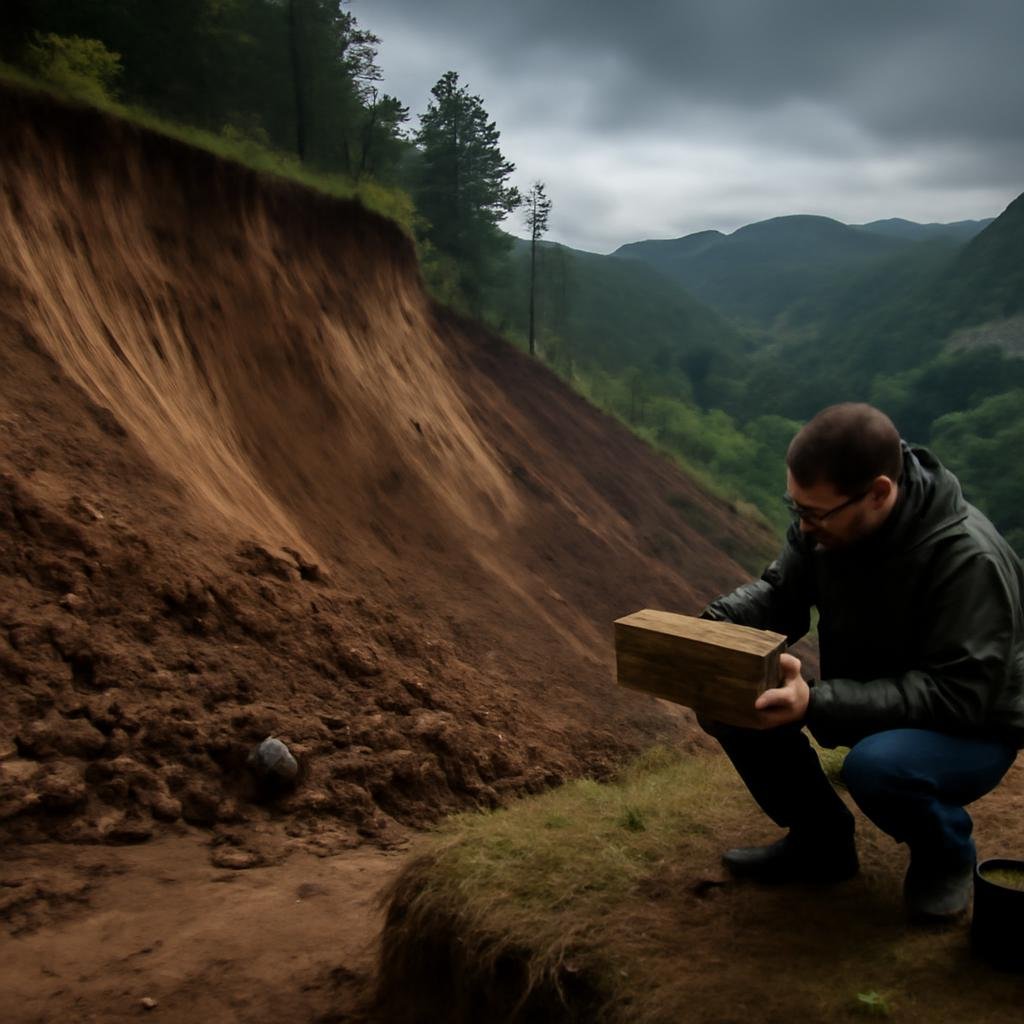
In a significant development in the field of geoscience, researchers at the University of Tsukuba have uncovered a critical relationship between soil thickness and the occurrence of landslides. Using high-resolution topographic data obtained from airborne LiDAR, the study, published on July 7, 2026, highlights how variations in soil thickness across different landscapes can impact the stability of slopes, thereby influencing the frequency and magnitude of landslides.
The researchers analyzed data collected from various areas prone to landslides, focusing specifically on the relationships among landslide area, depth, and slope gradient. Their findings suggest that thicker soil layers may act as a catalyst for landslides, especially in steep terrains where the balance of forces is precarious. This insight could lead to the development of better predictive models for landslide risks, which are crucial for the safety and sustainability of communities living in such environments.
Furthermore, understanding the role of soil thickness in landslide dynamics may facilitate more effective land-use planning and management strategies. This is particularly important as climate change continues to alter precipitation patterns, potentially leading to an increase in landslide incidents. By applying the findings of this study, policymakers and urban planners can improve building regulations and infrastructure development in vulnerable areas, ultimately reducing the risks associated with landslides.
This research not only sheds light on the environmental interactions that contribute to geological hazards but also underscores the need for tailored strategies in mitigating such risks. As landslides pose significant threats to infrastructure and human safety, advancements like these are essential for enhancing predictive capabilities and emergency response protocols in affected regions.
Given the growing prevalence of landslides worldwide, this study serves as a reminder of the importance of continued research in earth sciences. With further investigation and application of these findings, it may be possible to advance our understanding of other contributing factors that lead to landslides, thereby developing comprehensive strategies for community resilience.
For more detailed information, you can view the full study here: Phys.org.
Was this article helpful?