
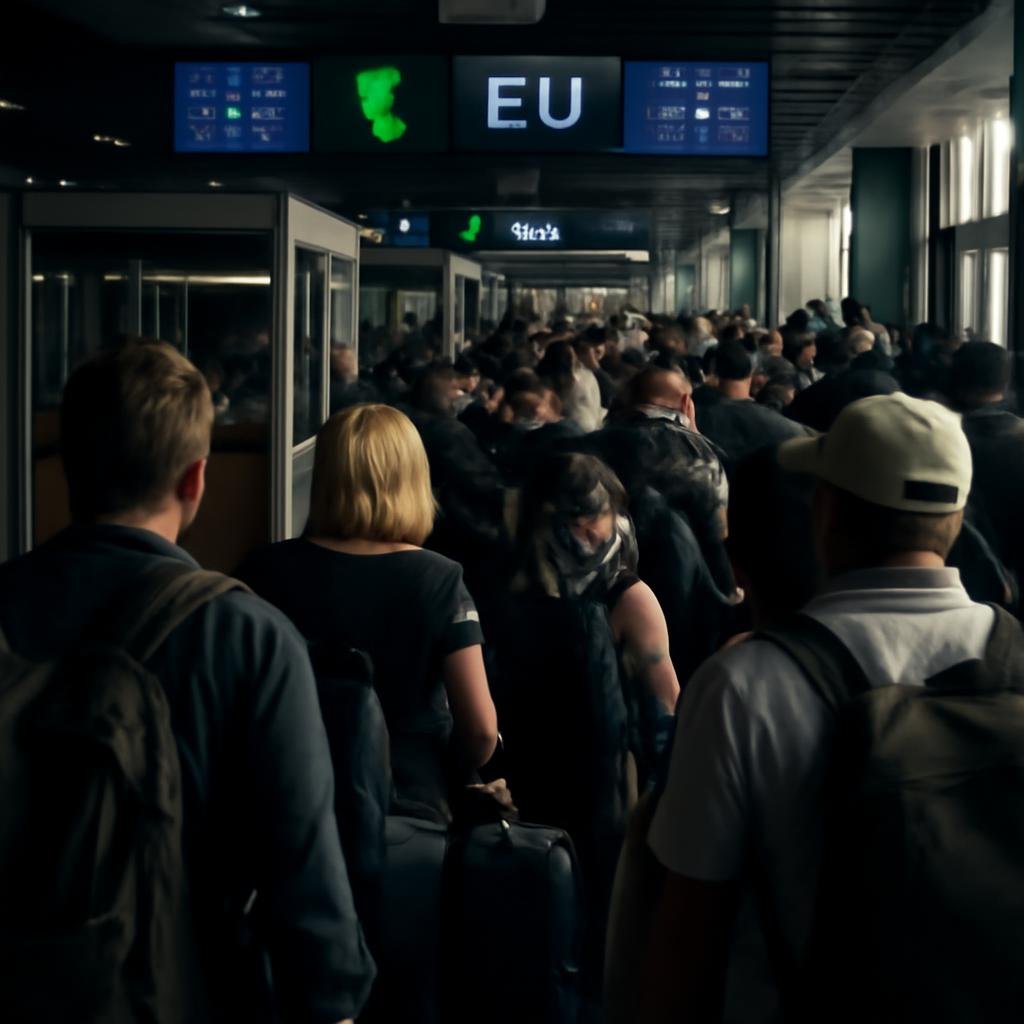
As the summer travel season kicks off, new border checks implemented by the EU are creating considerable challenges for holidaymakers. On July 2, 2026, The Guardian reported that these measures, which include a new digital entry and exit system (EES), have caused widespread delays and issues such as missed flights for travelers entering European nations.
The EES aims to enhance security and streamline the processing of visitors; however, it inadvertently has led to longer wait times at airports and borders. Reports indicate that many passengers are experiencing delays upwards of several hours, exacerbated by the holiday rush. This situation is particularly pressing as millions of tourists flock to European destinations during the summer months.
In addition to the discomfort and logistical issues travelers are facing, airlines and travel companies are expressing concerns over the potential financial fallout. If the delays continue, this could lead to cancellations and refunds, impacting bottom lines significantly. Airlines rely heavily on summer business, and prolonged disruptions could hinder recovery following the COVID-19 pandemic.
Further complicating matters, media outlets have highlighted that there is confusion regarding the required documentation and processes under the new system. This uncertainty adds to the frustration and could discourage potential travelers from planning trips to the EU, resulting in a ripple effect on tourism-dependent economies. As countries worldwide strive to return to pre-pandemic travel levels, the EU's new policies may pose obstacles rather than facilitate smoother travel experiences.
In conclusion, while the new digital entry and exit system aims to improve security, the initial rollout has revealed several shortcomings, focusing attention on the need for effective implementation and communication strategies to prevent undermining the summer travel experience in Europe.