
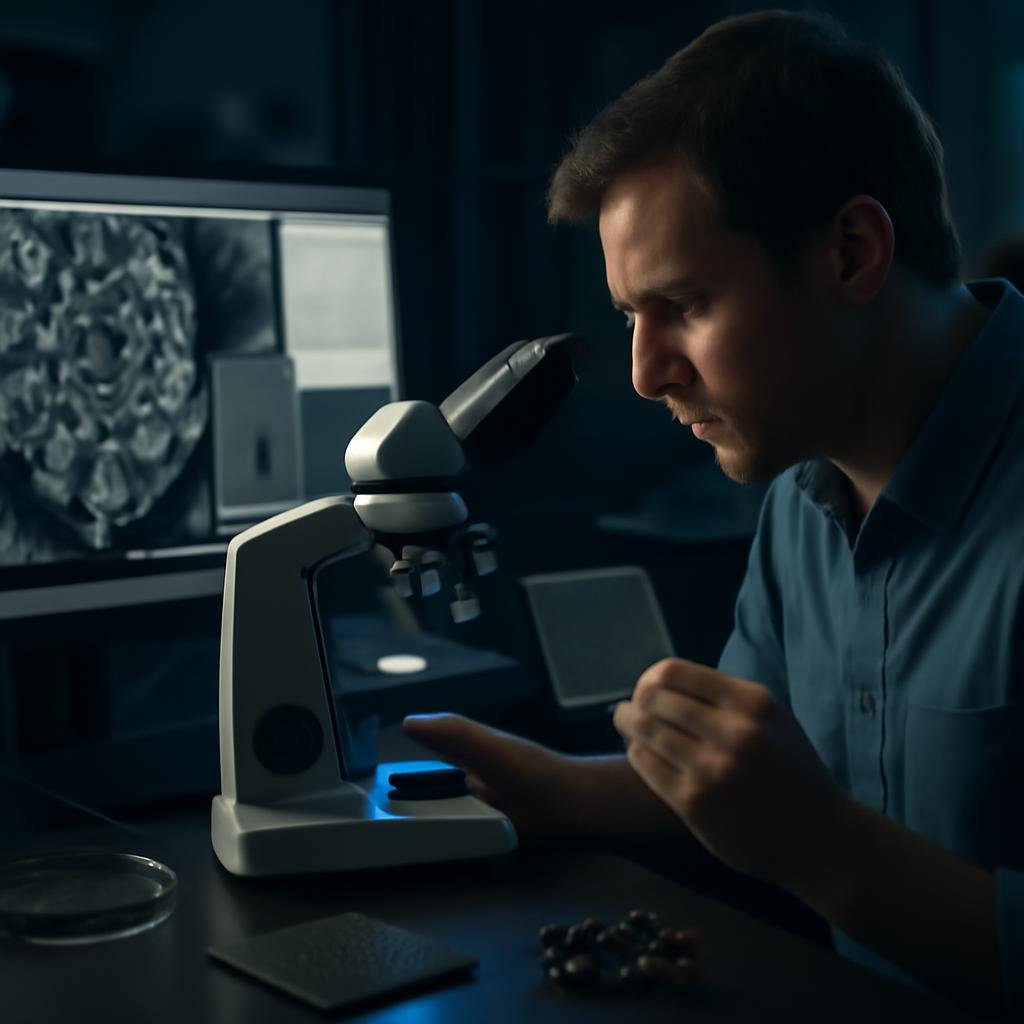
On July 4, 2026, scientists announced a significant advancement in the field of materials science through the development of a new framework that elucidates the shared photoproperties of common dark materials, including natural organic matter and eumelanin. This discovery, highlighted in a study published by a team of researchers, may inspire future innovations in sustainable technologies.
Eumelanin, a pigment found in various organisms, is known for its role in providing dark coloration and shielding against UV radiation. The new framework sheds light on how similar nanostructures contribute to the photoproperties exhibited by eumelanin and organic matter present in natural environments. This understanding may lead to the design of novel materials that mimic these properties, ultimately enhancing functionalities in diverse applications, such as sunscreens, protective coatings, and even energy storage systems.
The research explores how the arrangement and interaction of nanostructures within these materials lead to effective absorption and scattering of light. By pinpointing these structural similarities, scientists believe they can harness these principles to develop materials that are not only effective in their roles but also environmentally sustainable. This emphasis on sustainability is increasingly vital as industries seek ways to mitigate environmental impact while still meeting technological demands.
The implications of this study extend beyond theoretical understanding; the potential to create advanced materials that leverage these photopropertive characteristics opens doors to practical applications that could transform multiple sectors, including healthcare, energy, and manufacturing. As scientists continue to explore these links, the lesson remains clear: nature often holds the keys to the innovation of materials that can support a more sustainable future.
In conclusion, this breakthrough in understanding the photoproperties of dark materials underlines the significance of studying natural systems to inspire innovative technologies. As researchers delve deeper into the nanostructures of eumelanin and organic matter, the possibility of groundbreaking applications rooted in environmental sustainability grows more tangible.
Was this article helpful?