
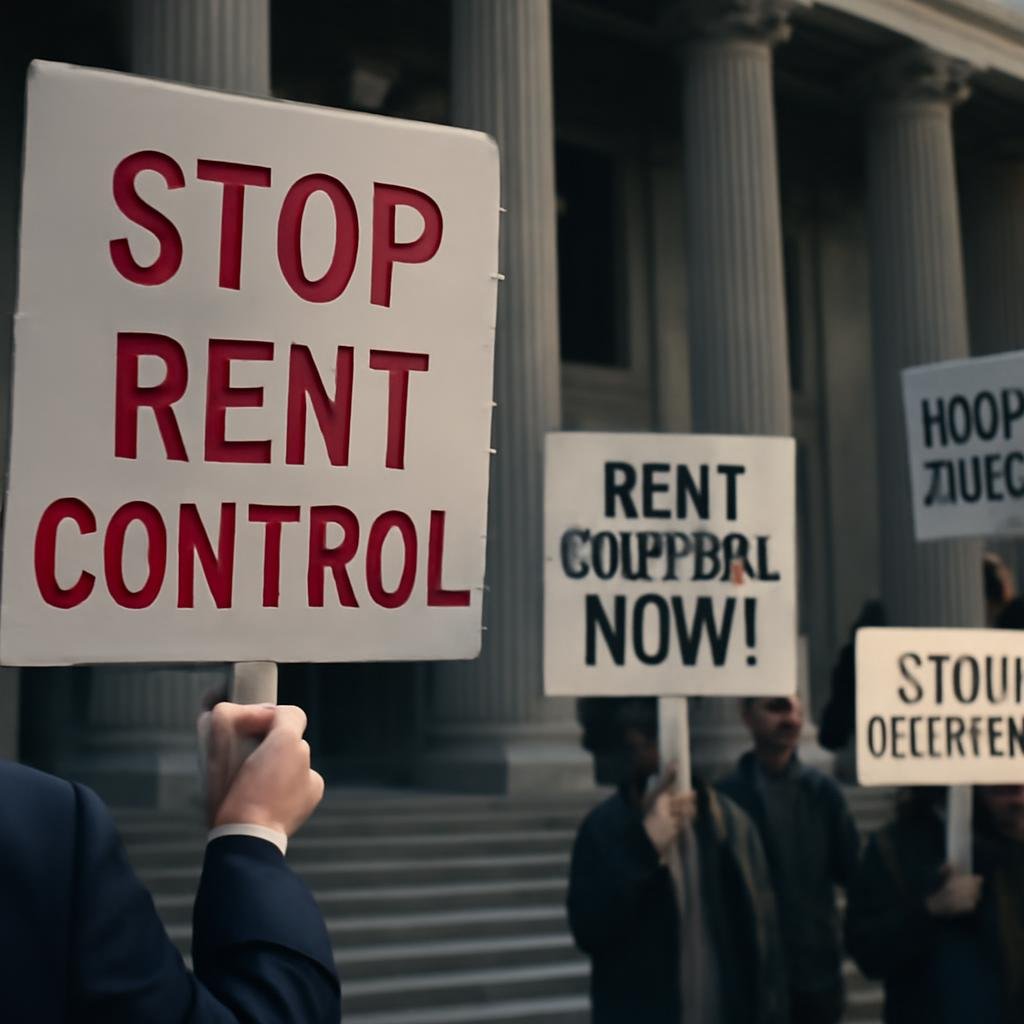
In a significant development on June 29, 2026, the National Association of Realtors (NAR) announced its successful opposition to a proposed statewide rent control measure that aimed to limit rental prices. This initiative was halted due to NAR’s proactive legal advocacy and concerted efforts to educate voters on the implications of such policies.
The push for rent control has gained momentum as housing prices continue to soar in many regions, compelling lawmakers and advocacy groups to seek solutions to make housing more affordable for tenants. However, NAR argues that imposing strict controls on rent could inadvertently stifle the supply of available rental properties, leading to long-term adverse effects on the housing market. According to NAR, constraints on rental income can deter potential investors from developing new housing projects, exacerbating the housing shortage rather than alleviating it.
NAR’s strategy involved comprehensive outreach efforts, including grants to assist local REALTOR® associations in conveying critical information to voters. By informing the public of the potential drawbacks of the rent control measure, NAR positioned itself as a defender of both renters' rights and property owners' interests.
Critics of rent control often cite studies illustrating that such measures can lead to reduced maintenance of rental units and a decline in overall housing quality. NAR’s stance indicates a preference for policies that promote housing supply and affordability without resorting to price controls. Instead of enacting rent caps, NAR advocates for more robust housing development initiatives and various economic strategies aimed at improving housing affordability.
This incident highlights the continuing tension within the housing market between the need for affordable housing and the interests of property developers and investors. As discussions surrounding housing policies evolve, the NAR's role in shaping these conversations remains crucial. The outcome of this debate will likely influence legislative approaches to housing across the country in the coming years, especially as housing prices remain a pressing issue for many residents.
As the real estate landscape continues to unfold, the implications of NAR’s advocacy will be crucial for both landlords and tenants alike. With rising rental prices and increasing demand for affordable housing, stakeholders from all sides of the issue will need to engage in informed discussions to find sustainable solutions.
Was this article helpful?