
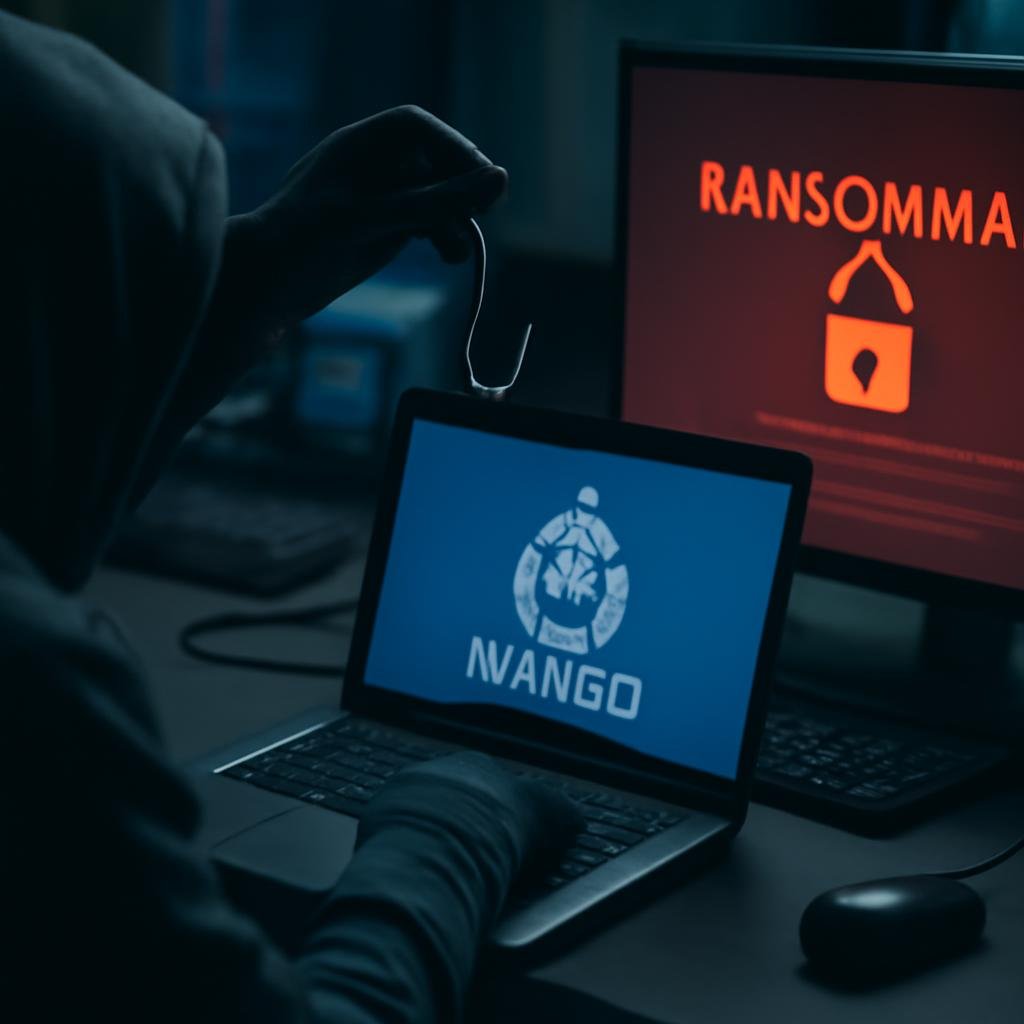
A recent report by Bitdefender has unveiled a sophisticated phishing campaign where cybercriminals are impersonating Interpol to distribute ransomware. This alarming tactic was made public on July 2, 2026, and has raised significant concerns across the cybersecurity landscape. The campaign targets various businesses worldwide, exploiting the trust associated with Interpol to trick victims into downloading malicious software.
The mechanics of this ransomware campaign are particularly concerning. Attackers send emails that appear to originate from Interpol, complete with the organization's logo and other legitimate looking elements. These emails often contain urgent messages designed to compel the recipient to act quickly, usually directing them to a malicious link or attachment. Once downloaded, the ransomware can encrypt files on the victim's system, potentially paralyzing business operations and demanding a ransom for data recovery.
Research indicates that this phishing tactic has been widespread and affects organizations of all sizes, emphasizing the need for comprehensive cybersecurity measures. Bitdefender has suggested that the rise of such impersonation tactics illustrates the evolving nature of cyber threats. Additionally, the effectiveness of the criminals' tactics is amplified by the general lack of awareness regarding cyber threats among many employees within organizations.
To mitigate the risk of falling victim to these kinds of scams, organizations should prioritize cybersecurity awareness training for their employees. By educating staff on how to recognize phishing attempts and implement best practices for email security, businesses can fortify their defenses against these increasingly deceptive attacks. Regular software updates and using advanced security solutions, such as email filtering tools, are also critical steps in protecting sensitive data.
As cybercriminals continue to adopt more sophisticated methods, the importance of vigilance and preparedness cannot be overstated. Organizations must remain proactive in defending against these threats to ensure the integrity and security of their operations.
For further reading on this issue, please refer to the report by Infosecurity Magazine.
Was this article helpful?