
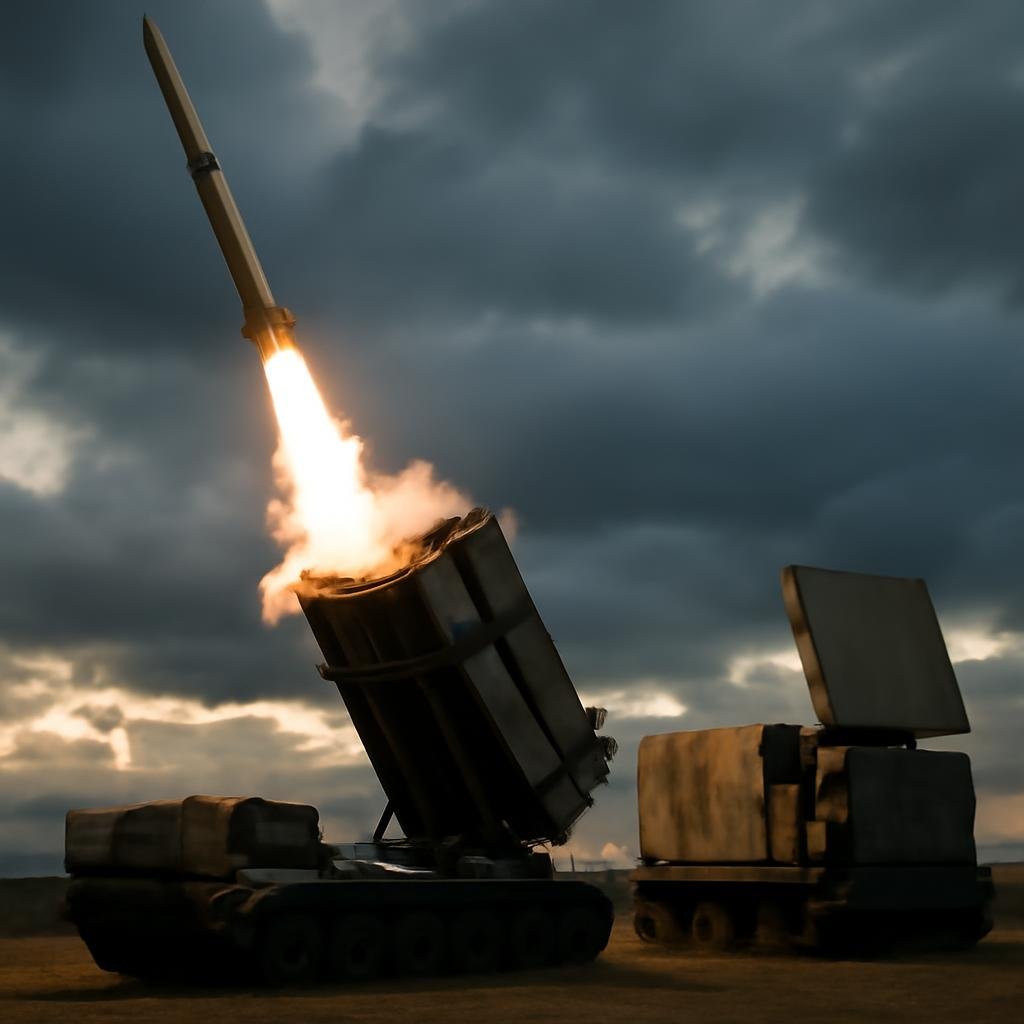
Recent developments in missile defense technology during the ongoing war have revealed critical vulnerabilities, particularly in relation to how the system might fare in a conflict with China over Taiwan. According to experts, while the U.S. missile defense system has been largely effective against threats from Iran, it may not provide the same level of protection against more advanced adversaries like China.
The U.S. missile defense system has primarily been tested against less sophisticated technologies, which raises concerns about its efficacy against higher-tier missile threats such as those employed by China. A key point of debate focuses on whether the current systems can handle multiple simultaneous threats, a scenario likely to occur in a high-stakes conflict over Taiwan. As tensions escalate in the region, analysts stress the need for enhanced technological capabilities to ensure a robust defense posture.
In the ongoing conflict dynamics, the U.S. military has acknowledged that the existing radar and interceptor technologies face challenges when confronted with a sophisticated adversary like China, which has made significant advancements in missile technology. Such developments not only influence military strategy but also have broader implications for security alliances in the Asia-Pacific region. Meanwhile, China's growing assertiveness in the Taiwan Strait, coupled with its robust missile arsenal, could overwhelm the current U.S. defensive measures, leading to dire consequences should a conflict arise.
As analysts continue to scrutinize the performance and future readiness of U.S. missile defenses, discussions about strategic capabilities are galvanizing among defense officials and policymakers. The concerns surrounding missile defense effectiveness underscore a broader necessity: fortifying deterrence capabilities by potentially integrating next-generation systems and fostering international defense partnerships to deter aggression in sensitive regions like Taiwan.
In summary, the lessons learned from recent conflicts underscore an urgent need for the U.S. to reassess and upgrade its missile defense strategies in preparation for the evolving threat landscape posed by both Iran and China. Proactive measures must be taken to mitigate risks and enhance the security of allied nations in the face of rapidly advancing military technologies.
Was this article helpful?