
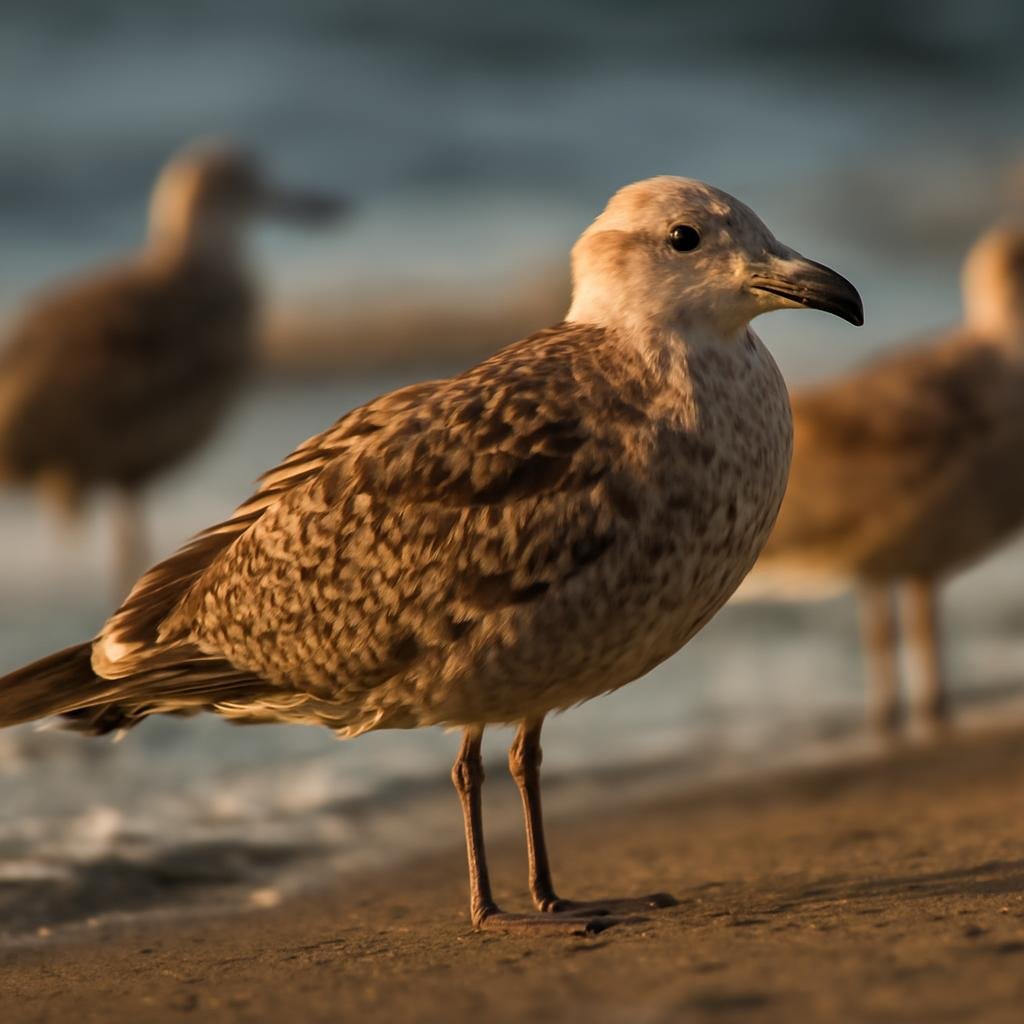
A fascinating study reported on July 4, 2026, explores how the mottled brown plumage of young American herring gulls functions as a signal to adult gulls. Unlike many birds that quickly develop their vibrant mating colors, these seabirds experience a notable delay in plumage maturation. As a result, they remain in an awkward adolescent phase, potentially facing threats from more aggressive adult gulls. This adaptive strategy highlights an impressive evolutionary trait among certain bird species, particularly when you consider the competitive nature of mating and territory establishment in avian communities.
The study, discussed on Phys.org, delves into the concept of delayed plumage maturation, where juvenile gulls retain their less conspicuous brown feathers for an extended period before acquiring the striking adult plumage. This evolutionary mechanism may serve a critical function: it allows immature gulls to navigate their social environment without attracting the ire of adults. The mottled plumage acts as a non-threatening signal, suggesting to territorial adults that these younger gulls do not pose a competition for resources or mates. Such signaling is crucial in species like the American herring gull, where adult aggression can significantly impact juvenile survival rates.
Moreover, the extended juvenile phase also serves as a period for learning social cues and developing survival skills vital for eventual integration into adult society. As these young gulls mature, they gradually shed their brown feathers and gain access to the more vibrant colors typical of adult birds, which are essential for attracting mates. The study brings forth important implications for understanding not just gull behavior, but also broader themes in avian development and the dynamics of competition and resource allocation among birds.
In summary, this research shines a light on the significance of plumage in bird behavior, particularly in realms of survival and reproductive strategies. Such findings could contribute to conservation strategies as well, emphasizing the need to preserve habitats that support these unique developmental traits among seabird populations.
Was this article helpful?