
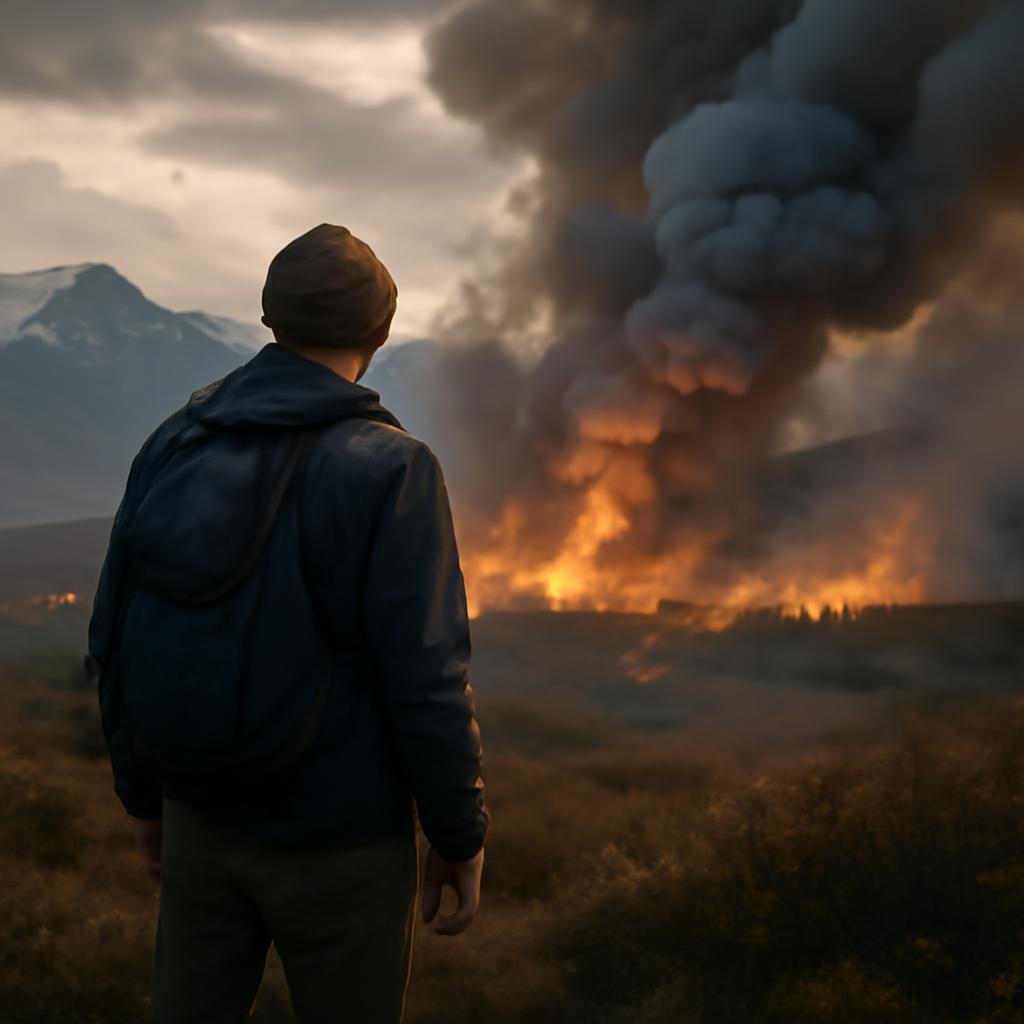
Wildfires have reemerged in western Greenland after several quieter years, creating a pressing need for local communities to learn how to coexist with these potentially devastating phenomena. According to recent reports, as of July 2026, residents have observed an uptick in wildfire activity, and many are adjusting to a new reality shaped by these fires.
The wildfires, which have historically been less frequent in this region, now demand that local populations develop strategies for both safety and sustainability. Reports from residents indicate a variety of approaches being employed. Some communities have begun conducting controlled burns, a method that helps to reduce fuel loads and mitigate the risk of larger, uncontrolled wildfires. Others are reassessing their land use practices, moving towards more fire-resistant landscaping and building methods. This shift not only reflects an acknowledgment of the changing climate but also highlights a drive toward communal resilience in the face of environmental challenges.
Understanding the impact of climate change on wildfire patterns is crucial. Scientists note that rising temperatures and prolonged dry periods can lead to increased wildfire risk. The experiences shared by those living in Greenland underscore a significant point: adaptation is not just about new practices but also about community solidarity. Residents have reported increased cooperation in preparing for potential fires, which serves to strengthen communal bonds while addressing individual safety concerns. The adaptation process is ongoing, as locals continue to share knowledge on effective fire management and recovery from incidents.
In conclusion, the resurgence of wildfires in Greenland serves as a stark reminder of the changing climate and its local impacts. By focusing on adaptation strategies and fostering community resilience, residents are confronting this new environmental challenge head-on. The lessons learned from this situation may well offer insights into managing both current and future wildfire risks in other vulnerable regions around the world.
Was this article helpful?