
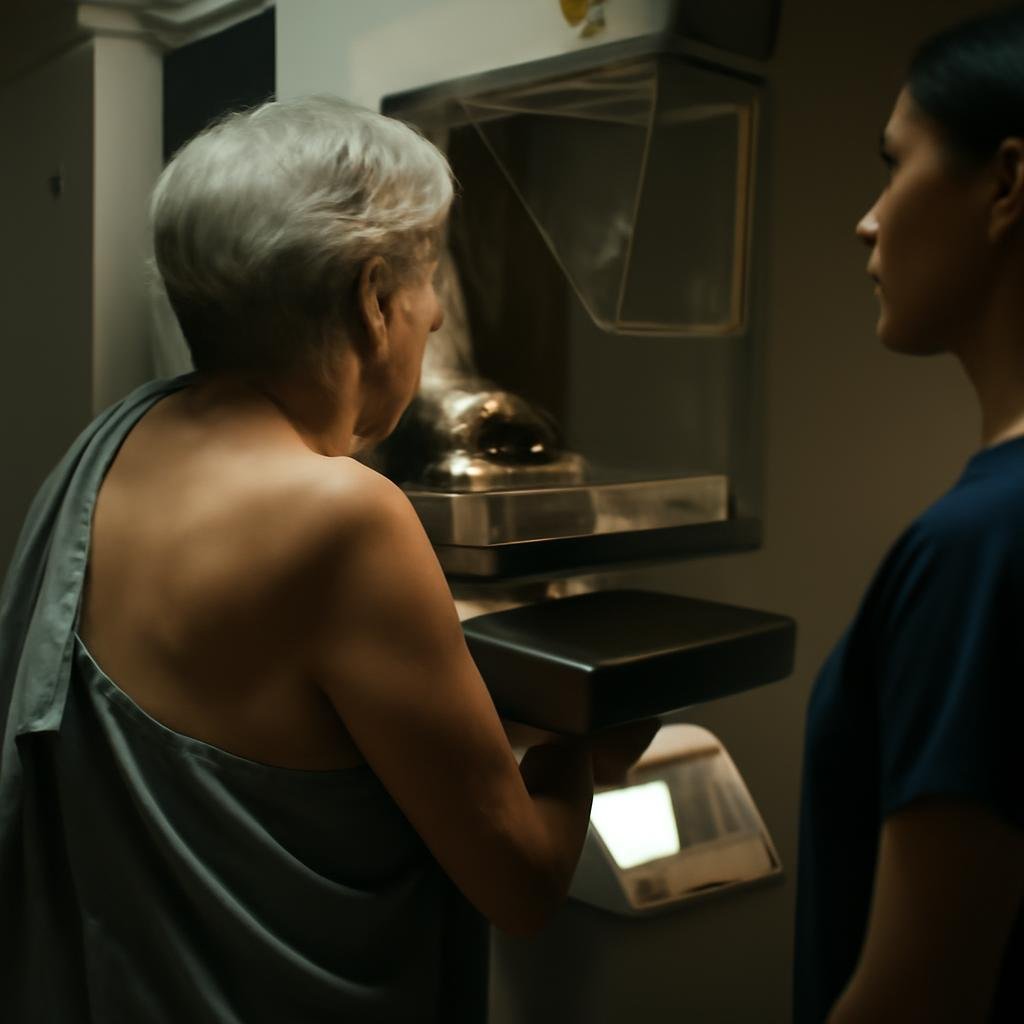
On June 12, 2026, Harvard Health released a vital update regarding cancer screenings for older adults, underscoring how screening needs evolve with age. The report highlights the significance of tailoring screening recommendations based on individual health circumstances and risk factors. Traditional screenings, including mammograms for breast cancer, colonoscopies for colorectal conditions, and PSA tests for prostate cancer, remain crucial, but the approach must adapt according to personal health status and age.
Research indicates that while routine screenings are critical for early detection, they may not be necessary for everyone. For instance, the frequency of mammograms might change based on one's health history and personal risk factors. Many experts suggest that once individuals reach their mid-70s or beyond, the need for certain tests may diminish, especially if they have a limited life expectancy or existing health issues. Instead, discussions between patients and healthcare providers should focus on the risks and benefits of each screening type.
Additionally, the report encourages patients to engage in proactive discussions with their doctors about which screenings are appropriate for them, considering factors such as family history and lifestyle. This individualized approach ensures that patients are not subjected to unnecessary tests that may not provide significant benefits. It also optimizes the allocation of healthcare resources, allowing individuals to focus on screenings that genuinely matter for their health.
In summary, the recent guidance from Harvard Health stresses that older adults should receive customized screening solutions rather than a one-size-fits-all protocol. This evolution in cancer screening recommendations aims to enhance patient care and ensure that patients are making informed decisions about their health.
For more detailed recommendations on specific cancer screenings, readers can visit the full article on Harvard Health's website.
Was this article helpful?