
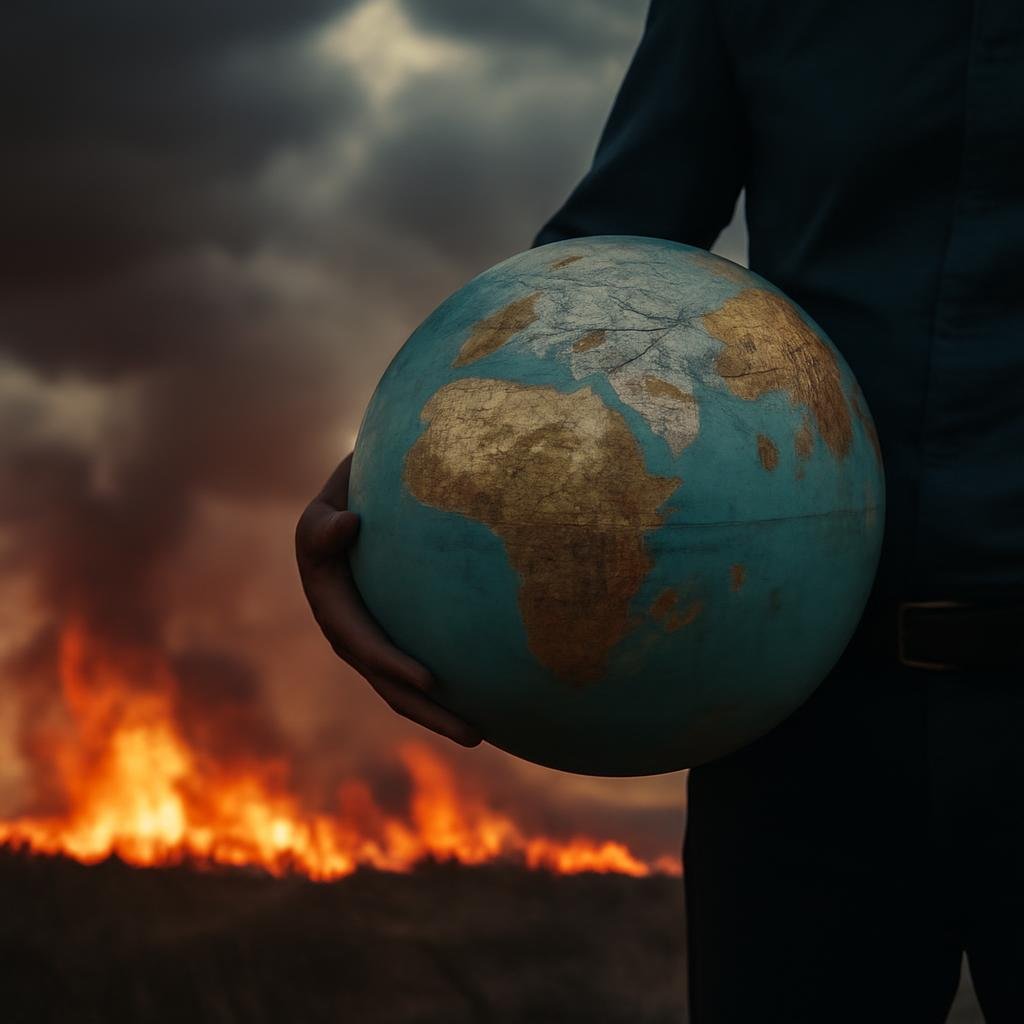
Recent scientific studies have revised earlier doomsday scenarios surrounding climate change, suggesting that predictions have been excessively pessimistic. However, this does not imply that the threat has diminished; in fact, the need for prompt action is more urgent than ever. This reassessment is particularly significant for Europe, where historical heat waves and flooding have already highlighted the dangers posed by climate change.
The reassessments are rooted in newer climate models that have re-evaluated the risks of catastrophic climate events. These models indicate that while some of the more extreme scenarios may not become reality, rising temperatures and erratic weather patterns present critical risks that are still very real. According to analysts, Europe must fortify its commitments to reducing carbon emissions and investing in renewable energy technologies.
The impacts of climate change are not merely predictions; they are observable realities. In the past few years, Europe has experienced a series of devastating heat waves and severe weather patterns that underline the urgent need for a resilient response. The World Meteorological Organization has reported that warmer winters and hotter summers have become annual occurrences, making climate action imperative for public safety and economic stability.
Moreover, as scientific models continue to develop, they indicate that climate change is a long-term trend that necessitates immediate policy responses, not just in European nations but globally. Policymakers, environmental groups, and industries must collaborate to ensure that renewable energy initiatives are accelerated and that community-based adaptation strategies are implemented effectively.
In light of these recent findings, the message is clear: Even if extreme scenarios are less likely, the risks associated with climate change still loom large, demanding a comprehensive and accelerated action plan from all sectors of society. Failure to act could lead to consequences that may ultimately approach those previously predicted.
In conclusion, while recent evaluations suggest a less dire trajectory, it is crucial for Europe—and the world—to use this information as a catalyst for immediate and sustained climate action rather than a reason for complacency. The focus must remain on resilience and adaptability in the face of climate threats.
Was this article helpful?