
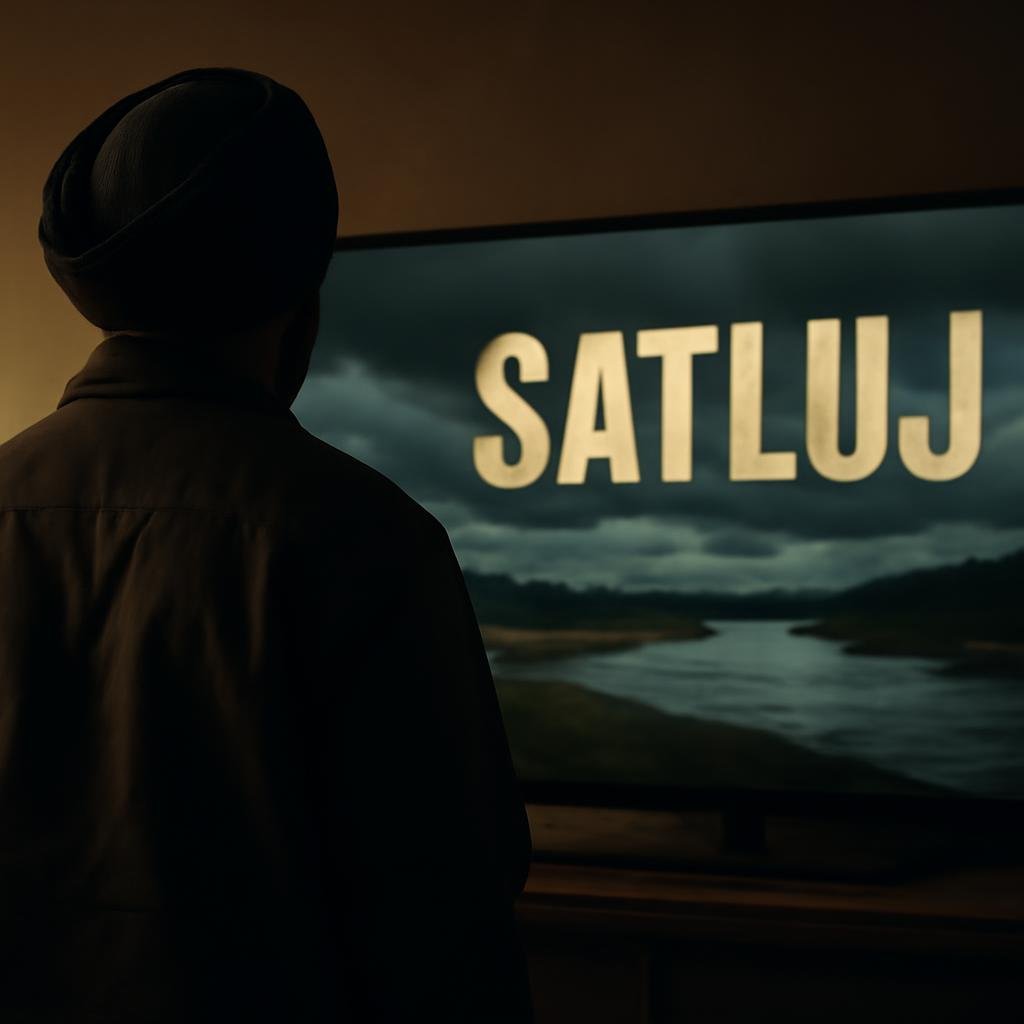
In a surprising turn of events, ZEE5 has removed Diljit Dosanjh's much-anticipated film 'Satluj' from its offerings in India merely two days after it debuted on the platform. As of July 5, 2026, the streaming service stated that the film is now "unavailable until further notice." This unexpected decision leaves fans of the Punjabi superstar and the film's followers bewildered, as no specific reasons have been officially provided for the withdrawal.
'...Satluj' had sparked considerable buzz prior to its release, especially with Dosanjh's popularity and the film's themes resonating with audiences looking for representation in Indian cinema. While the film was positioned as a major release for ZEE5, its abrupt removal raises questions about the content management policies of streaming platforms and their responses to audience feedback or regulatory scrutiny.
The fact that it was pulled so soon after its release indicates not just potential issues with the film itself but also hints at the complex dynamics of the streaming landscape in India, where regional films often find themselves at the intersection of commerce, culture, and politics.
This incident reflects a broader trend in the industry where strong reactions from various stakeholders can significantly influence a film's availability. Streaming platforms like ZEE5 are tasked with navigating these waters delicately, balancing public sentiment while also adhering to, or sometimes anticipating, regulatory standards. As film enthusiasts await further clarification from ZEE5 regarding the future of 'Satluj', this incident also serves as a reminder of how fluid and unpredictable the streaming environment can be, especially in culturally rich markets.
For those who followed the promotional journey of 'Satluj' and were eager to watch it, this news is undoubtedly disappointing. However, the evolving nature of streaming services means that fans may have to brace themselves for more disruptions as platforms continue to refine their content offerings in response to societal changes and audience demands.
Was this article helpful?