
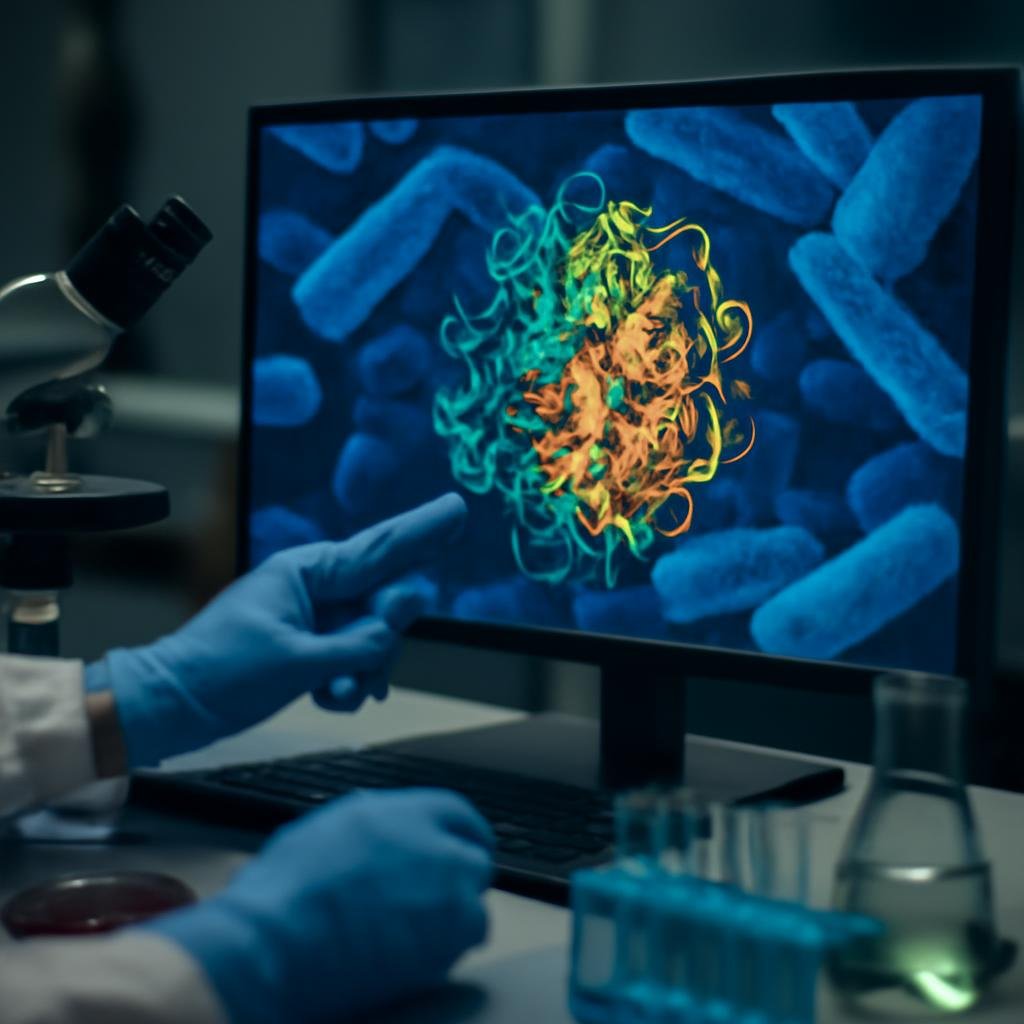
In a groundbreaking discovery, researchers have illustrated the complex relationship between bacterial proteins and calcium control, as reported on July 4, 2026. This study highlights how even minor fluctuations in acidity can dramatically influence calcium dynamics, a finding that holds potential implications across numerous biochemical processes.
The focus of this research is on protons, which are charged particles deeply involved in shaping chemical interactions. Small adjustments in proton concentrations can evoke notable changes in the stability and reactivity of substances, and this phenomenon was phenomenally demonstrated by examining specific bacterial proteins. This insight not only enhances our understanding of basic biological processes but may also inform various industrial applications, from food preservation techniques to medical therapeutics.
The study contributes to an ongoing discourse in biochemistry regarding how acidity can dictate outcomes in various environments. For instance, culinary practices such as adding lemon juice or vinegar demonstrate how acidity alters flavor and texture in food. Similarly, in the human body, stomach acid plays a crucial role in digestion, underscoring the significance of proton-mediated interactions in health.
Moreover, this research could pave the way for innovative applications in biotechnology. For example, manipulating calcium levels via acidity adjustments could enhance methods for nutrient delivery or drug development, offering a strategic pathway to optimize therapeutic interventions. As such, understanding these hidden rules of calcium control may lead to advancements in health and food industries, ultimately contributing to more efficient processes and improved product outcomes.
This study invites further exploration into how acidity functions as a regulatory mechanism in various biochemical landscapes, implying that there’s much more to discover about the intersection between chemistry and biology. As researchers continue to delve into these fascinating interactions, they may uncover even more applications that could leverage this knowledge to tackle real-world challenges.
Was this article helpful?