
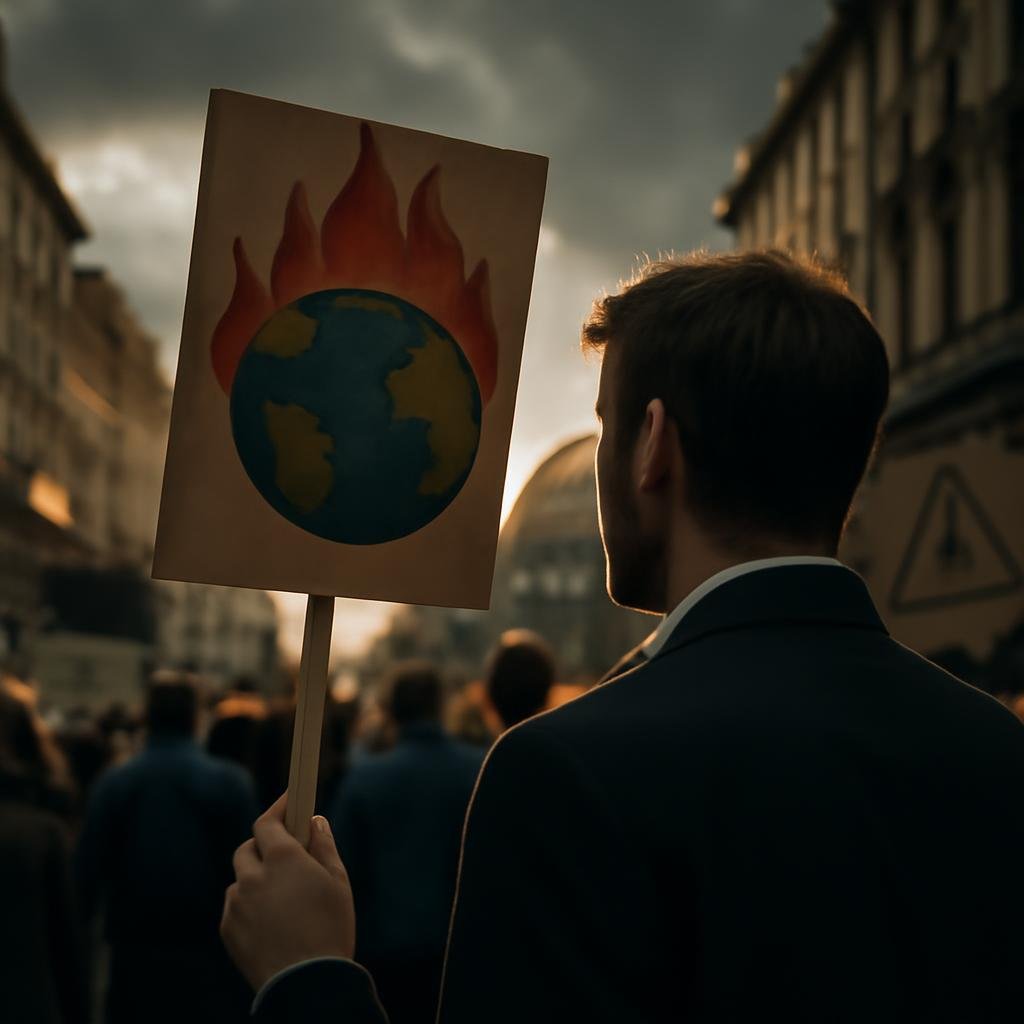
Recent assessments published in Foreign Policy highlight a significant shift in understanding climate science, particularly in light of recent heatwaves affecting Europe. Contrary to earlier doomsday scenarios about climate change, these analyses indicate that while the potential for catastrophic outcomes remains, the earlier forecasts were overly pessimistic in some respects. What this means for Europe is increasingly urgent: the necessity for profound climate action has not diminished but rather, may compel faster responses and innovative solutions to address the ongoing crises.
The European landscape has already been affected by extreme temperatures, with reports of heatwaves intensifying across multiple countries in mid-2026. These weather patterns not only threaten public health and agricultural yields but also increase the potential for widespread infrastructure failures. The European Union has set ambitious goals to reduce greenhouse gas emissions and shift to sustainable energy sources, yet the recent reassessments emphasize that faster action could prove essential. As extreme weather becomes more common, the need for preparation, both in infrastructure and policy, becomes increasingly clear.
Scientists stress that while the horizon may not be as bleak as previously predicted, this improved outlook should not be seen as a reason to relax efforts against climate change. The potential for escalating climate impacts means that urgent measures, including transitioning to renewable resources, enhancing energy efficiency, and investing in climate resilience strategies, are critical now more than ever. Investments in technology and infrastructure can play a significant role in mitigating these effects and safeguarding future generations.
As the European summer heats up with unprecedented warmth, the call for action resonates louder amongst policymakers and scientists alike. The stakes are high, and as these new evaluations come to light, they underscore a vital imperative: adapting our climate strategies promptly and effectively is not just prudent, but necessary for the health of the continent and its inhabitants.
In conclusion, Europe stands at a critical juncture. Although some alarms from earlier climate models have proven inaccurate, the reality of climate change demands immediate and sustained action. Clear strategies must be put in place to embrace not only the urgency of today’s situation but the flexibility and innovation required for future sustainability.
For further reading on this pressing issue, please refer to the original article on Foreign Policy: https://foreignpolicy.com/2026/06/30/science-climate-europe-global-warming-heat-wave.
Was this article helpful?